

At the center of the speculation was Ryo Tatsuki, a female manga artist known for her book The Future I Saw: Complete Edition. Originally serialized from 1994 to 1998 and compiled in 1999, the manga gained notoriety after its cover included the chilling phrase: “A major disaster will occur in March 2011” — later interpreted as a reference to the devastating Great East Japan Earthquake.
In the 2024 re-release of the “complete edition,” Tatsuki’s publisher included a new preface stating that she had experienced another prophetic dream during a trip to India. According to the book, Tatsuki envisioned the Pacific Ocean near southern Japan rising ominously, with the sea floor splitting and causing a massive tsunami. She reportedly saw the exact date: July 5, 2025, and feared this “true disaster” would exceed even 2011 in scale.
The sketch accompanying the prophecy noted that Tatsuki had the dream at 4:18 a.m. on July 5, 2021. Her description placed the epicenter between Japan and the Philippines, affecting not only Japan but also Taiwan, Hong Kong, and the Philippines.

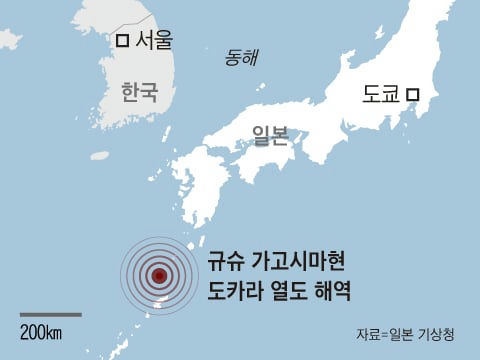
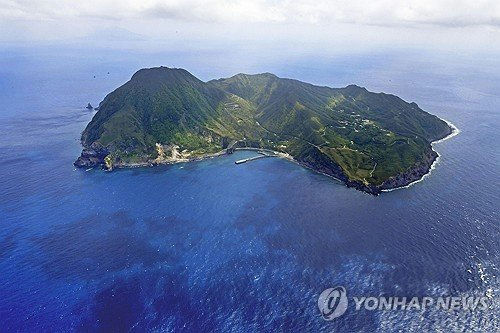
When a magnitude 5.4 earthquake hit the Tokara Islands, south of Kyushu, on the exact predicted date, fear surged. Over 2,200 tremors had been recorded in the region throughout June and July, adding fuel to the fire. However, no tsunami or catastrophic event occurred.
The Japan Meteorological Agency (JMA) firmly dismissed the prophecy, stating, “Earthquakes cannot be predicted with current science,” and labeled the viral claims as baseless rumor. Still, the agency acknowledged that seismic activity in the Tokara region remains volatile and urged the public to stay vigilant.
Indeed, natural disasters such as earthquakes, typhoons, heavy rain, and snowstorms are frequent in Japan. Earthquakes are especially feared due to their unpredictability. Prime Minister Shigeru Ishiba, who rose to power 38 years after first entering politics, has faced criticism after his party’s major loss in the recent House of Councillors election. One of his signature policies — the establishment of a “Disaster Management Agency” — aims to streamline Japan’s disaster response. Public broadcasters like NHK routinely interrupt programming for weather and disaster alerts, underscoring Japan’s deep awareness of disaster preparedness.
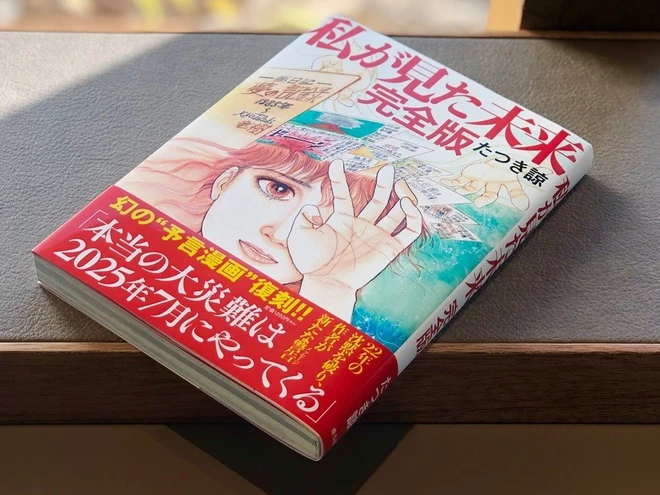
While no disaster materialized, Tatsuki’s message may have had deeper meaning. In her book, she wrote: “The important thing is to be prepared. Start thinking now about how to live after a disaster. Recognize the importance of taking action today.” In a nation constantly under threat from nature, that call for readiness remains ever relevant.
nate
You must be logged in to post a comment.