

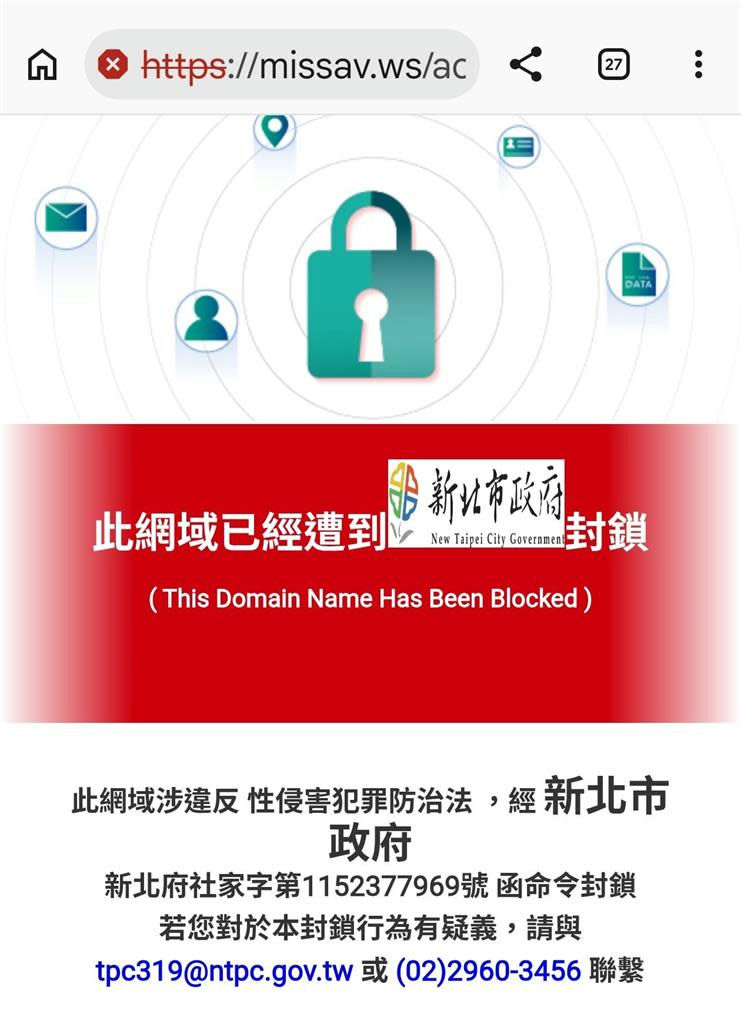
On March 11, the platform was ordered to be blocked by the New Taipei City government due to concerns over the distribution of non-consensual explicit content. The move quickly drew public attention and sparked widespread discussion across online communities.
However, less than 24 hours after the block took effect, the website reportedly returned under a new domain. It even took to social media to mock the situation, posting a message questioning why its Taiwan traffic had suddenly increased by 50% compared to the previous week, joking that its servers were struggling to keep up.
The ironic spike in traffic led many netizens to comment that the block had unintentionally acted as free publicity. Some joked that authorities had “helped promote” the site, while others pointed out that media coverage may have driven curiosity and increased visits. Comments ranged from humor—such as users joking about server overload—to criticism of how such enforcement actions can sometimes backfire.
In response, Taiwan’s Minister of Health and Welfare, Shih Chung-liang, confirmed that the case involved reports of non-consensual content distribution. He explained that the government relies on a reporting mechanism, where complaints are forwarded to the iWIN Internet Content Protection Agency, which then enforces blocks on offending platforms.

He added that if such websites reappear after being blocked, authorities will continue to take action, including the possibility of stricter penalties. Officials are also working with the Ministry of Digital Affairs to explore more effective long-term solutions.
The incident highlights the ongoing challenges governments face in regulating online platforms, particularly those operating across borders. It also raises questions about the unintended consequences of enforcement actions in the digital age—where attempts to restrict access can sometimes amplify visibility instead.
Sources: Yahoo News
You must be logged in to post a comment.