
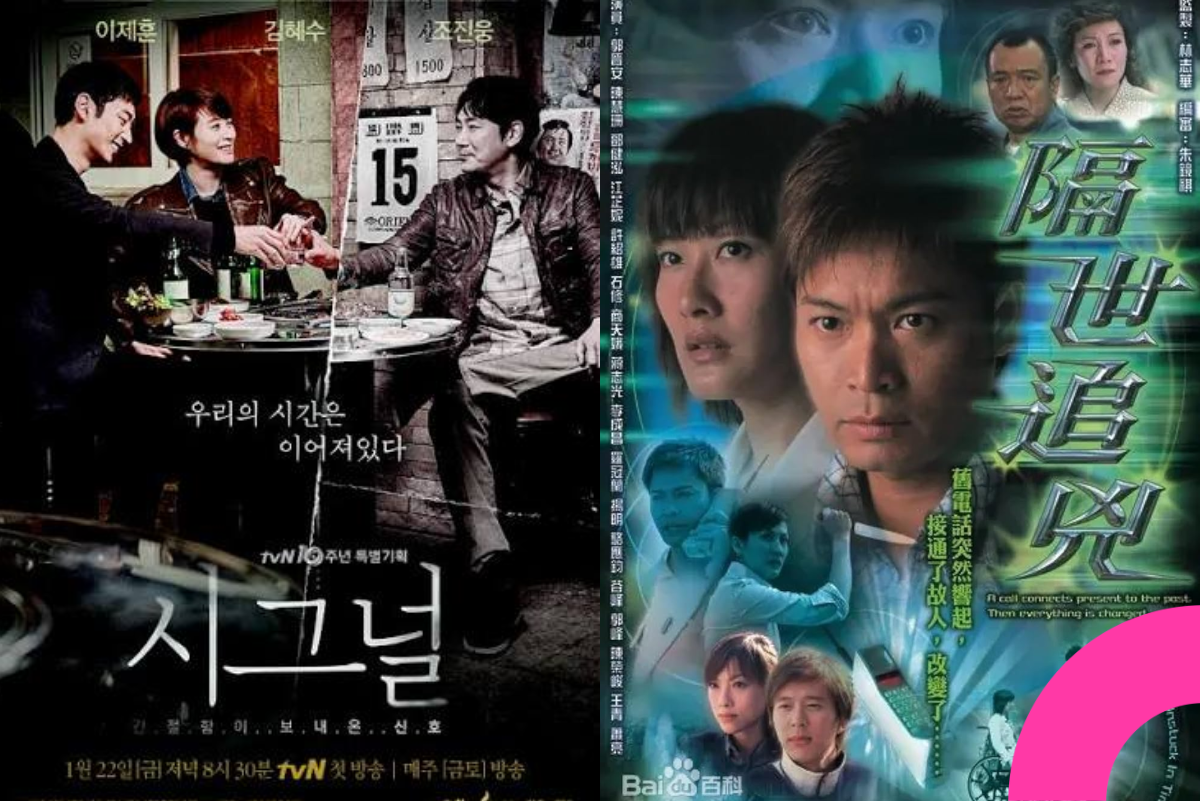
A lengthy post that recently went viral on the Korean online community theqoo has reignited debate over whether the hit K-drama Signal borrowed too heavily from the 2004 Hong Kong television series To Get Unstuck in Time. The discussion resurfaced as anticipation grows for Signal Season 2.
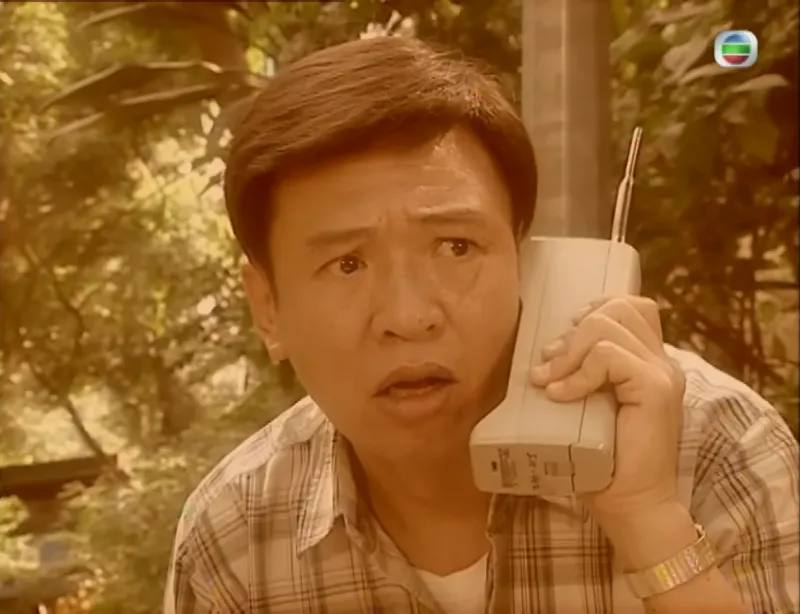
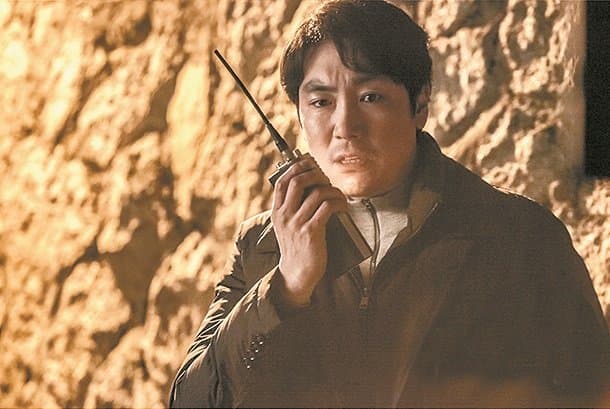
The post argues that the similarities go far beyond sharing the same premise. According to the comparison, both dramas center on a righteous detective in the past who investigates a notorious unsolved serial murder case but ultimately fails to capture the real culprit. Instead, he becomes the victim of a conspiracy orchestrated by powerful figures above him, is falsely accused, and dies under tragic circumstances.
In both stories, the present-day protagonist is an exceptionally intelligent detective whose childhood is deeply connected to the very same cold case. In To Get Unstuck in Time, his father allowed the serial killer to escape, while in Signal, the protagonist witnessed the kidnapper of Kim Yoon-jung as a child, only to have the police dismiss his testimony.
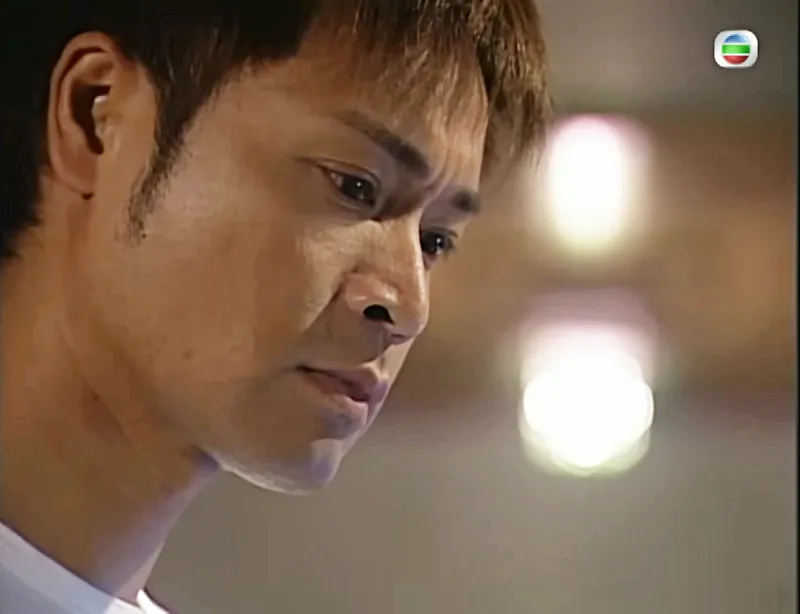

The comparison notes that the unresolved case remains open for decades 20 years in the Hong Kong drama and 15 years in Signal. Years later, the protagonist unexpectedly discovers an old communication device that allows him to contact the detective from the past: a mobile phone in To Get Unstuck in Time and Lee Jae-han’s walkie-talkie in Signal.
Using clues provided by the detective from the past, the protagonist tracks down a suspect. However, both stories reveal that the person initially identified is not the real murderer but someone framed for the crime. While authorities are eager to close the investigation, believing the case has already been solved, the protagonists continue searching until they uncover the true criminal.
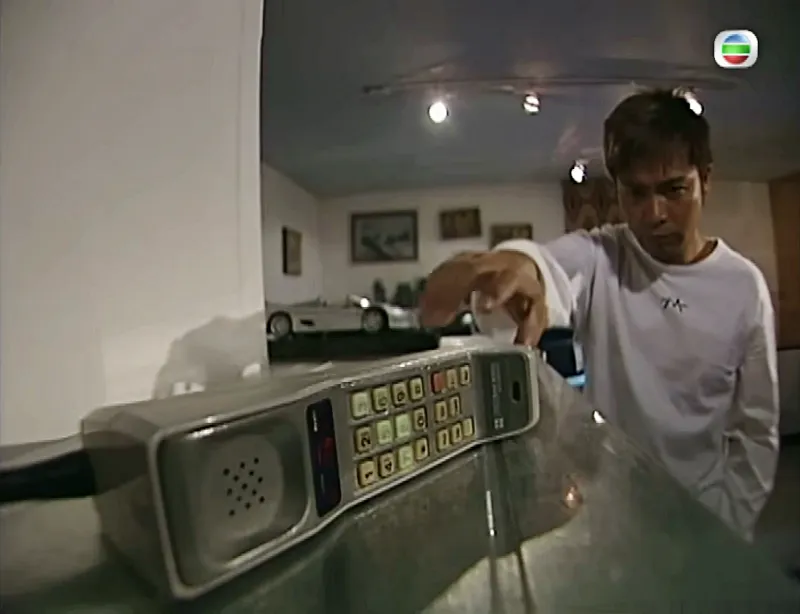
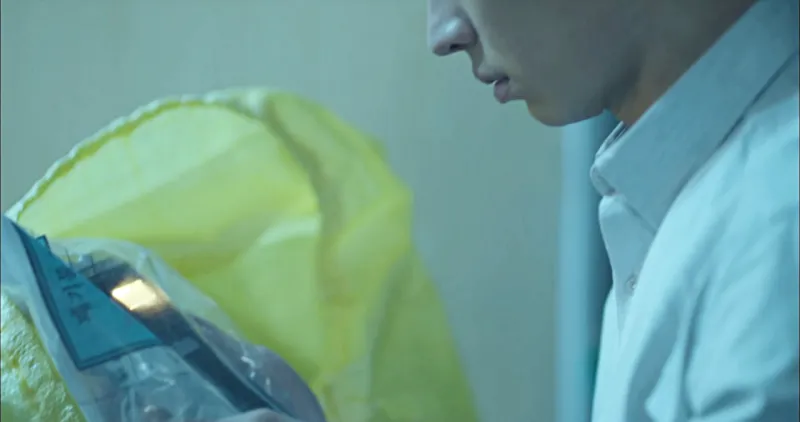
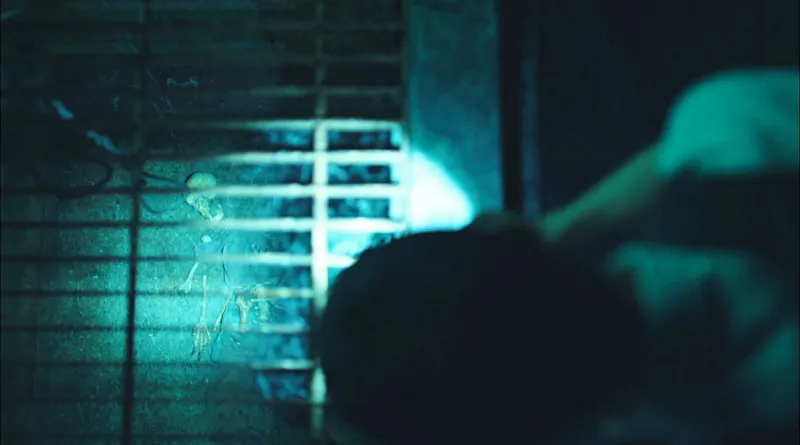

Another striking similarity highlighted by the post is how neither detective initially realizes they are communicating across time. The detective in the past only becomes convinced after the present-day protagonist repeatedly predicts future events with perfect accuracy.
As the story progresses, both detectives work together to solve multiple cold cases, sharing information that only exists in their respective timelines. The detective from the past believes he will survive into the future, while the detective in the present struggles to reveal that his counterpart has actually died many years earlier.




The post also points to matching story developments involving changes to the timeline. After the detective from the past saves a victim using knowledge from the future, history is altered. However, only the present-day protagonist remembers the original timeline, while unexpected butterfly effects create new tragedies. In To Get Unstuck in Time, a woman who survives a traffic accident later becomes a criminal, while in Signal, saving one victim ultimately leads to another innocent person’s death.
Evidence preservation also plays a nearly identical role in both series. Since forensic technology in the past cannot identify the culprit, the detective carefully preserves crucial evidence so that DNA testing in the future can finally solve the case. The detective from the past also leaves behind letters or physical evidence for his future counterpart.
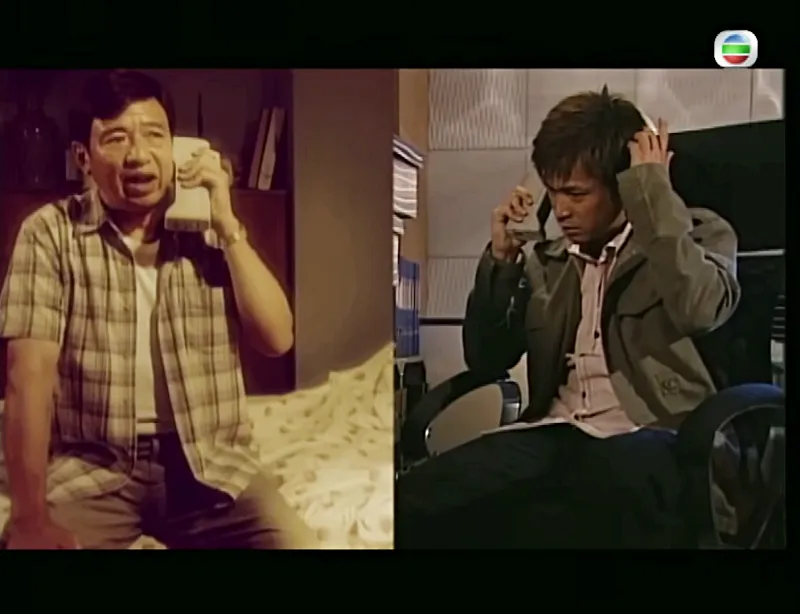
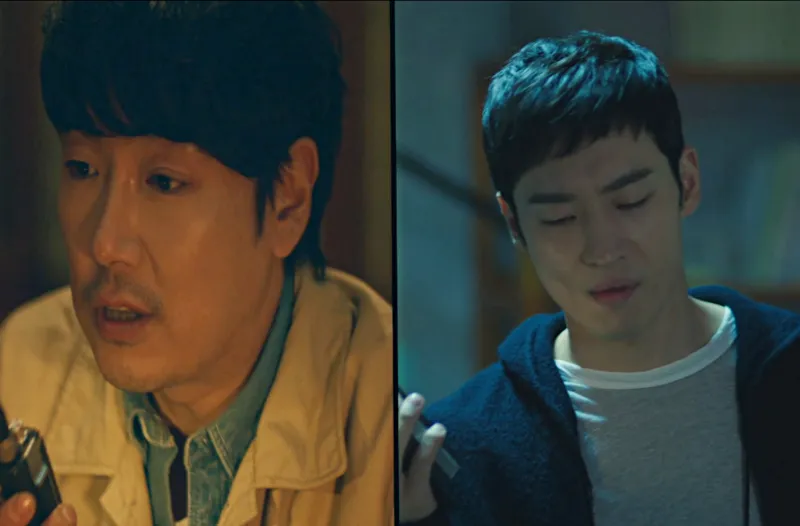
Both dramas feature a female detective who works closely with the male lead. Initially unaware of the time-crossing communication, she gradually discovers the secret and eventually becomes involved after the male protagonist is framed while investigating corruption. Before being arrested, he entrusts the communication device to her, allowing her to continue working with the detective in the past.
The comparison concludes with another major parallel. Despite repeated warnings that investigating a particular location will result in his death, the detective from the past refuses to abandon the case. This time, however, because he knows his fate in advance, he prepares accordingly and survives. The timeline changes once again, but even in the new reality, he disappears and remains missing for years, prompting the present-day characters to continue searching for him.
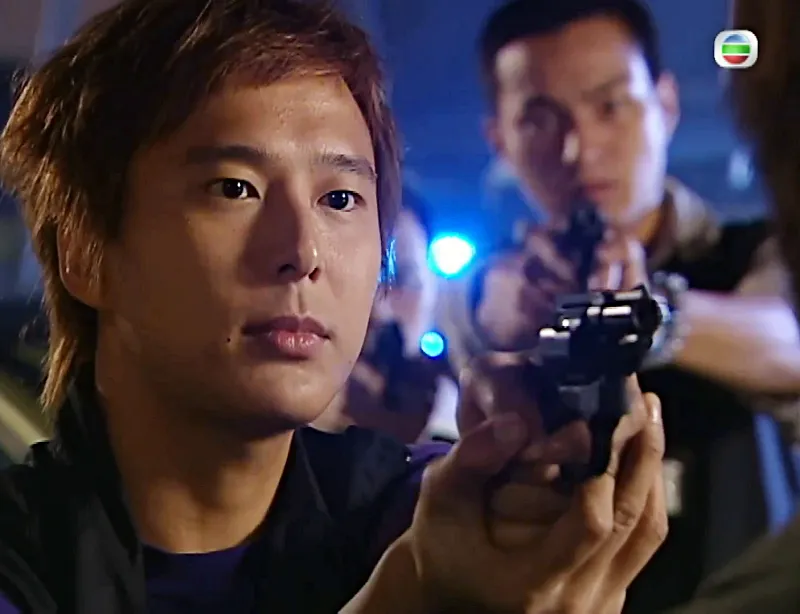
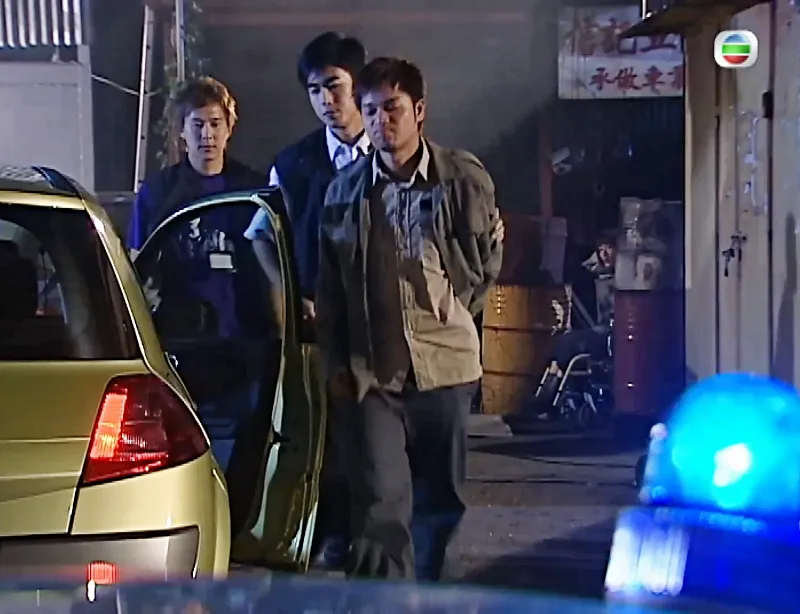
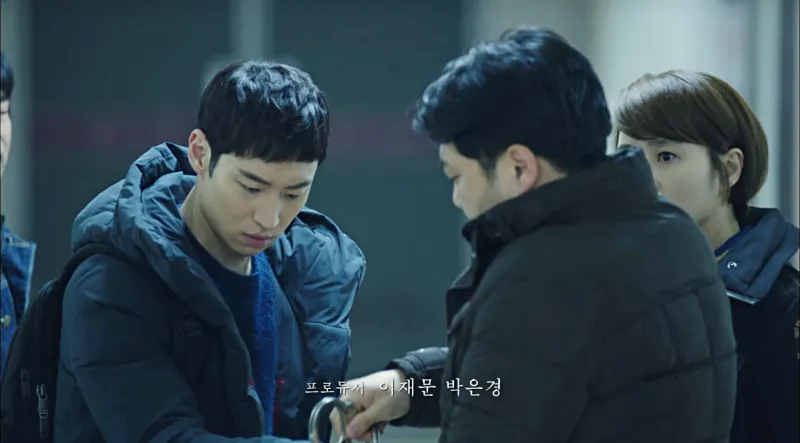
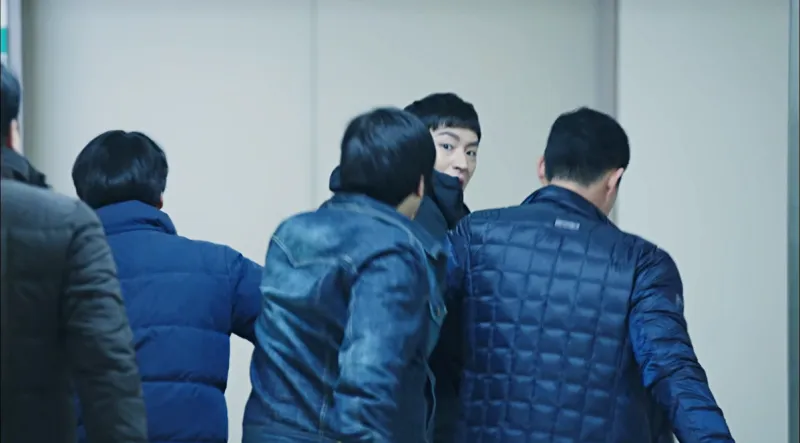
The online discussion also compares the endings. In To Get Unstuck in Time, the two detectives are eventually reunited, while Signal ends with the protagonists preparing to search for Lee Jae-han, leaving the story open for continuation.
The viral post quickly attracted thousands of comments. Many users expressed disappointment, arguing that the similarities extend far beyond inspiration and resemble a full remake without official acknowledgment. Others questioned why no copyright dispute had emerged publicly and wondered how a second season could proceed if the accusations gained wider attention.

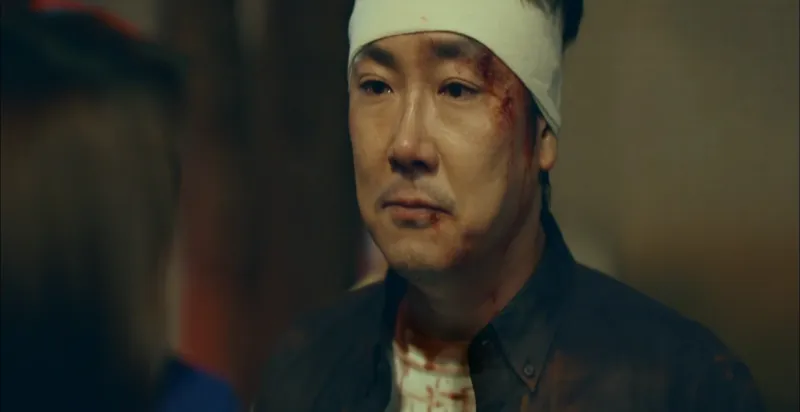
Some commenters also defended the idea that communication across time is not an original concept by itself, noting that similar ideas have appeared in other films and television series. However, they argued that the overall plot progression, character arcs, and key story beats appearing so closely aligned made the comparison difficult to ignore.
As of now, neither Signal writer Kim Eun-hee nor the production team has publicly responded to the renewed plagiarism discussion. The claims remain based on fan comparisons circulating online, and no official ruling or legal determination has concluded that Signal copied To Get Unstuck in Time.
Sources: theqoo
You must be logged in to post a comment.