
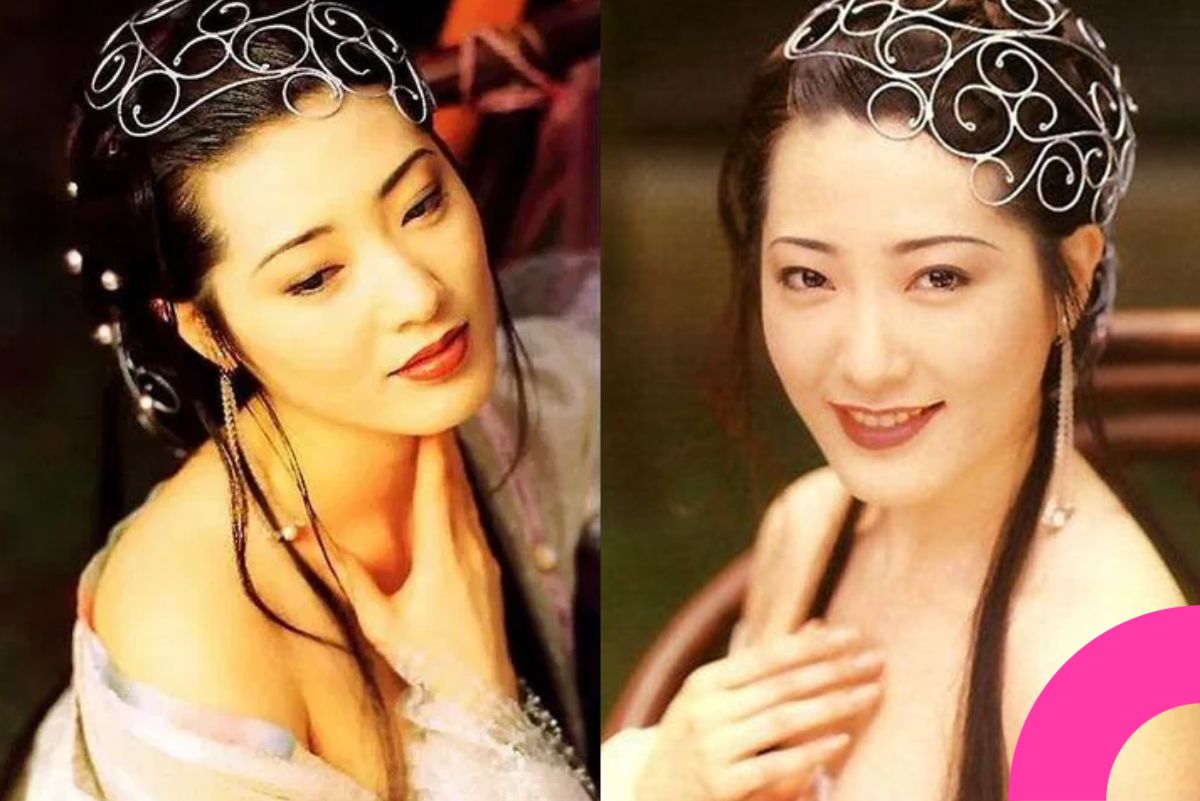
In the 1990s, Si-Man Yeung, once dubbed the “queen of 18+ films,” mesmerized audiences across Asia with her haunting portrayal of Pan Jin-lian in the Hong Kong adaptation New Jin Ping Mei. Now, nearly three decades later, she has quietly stepped away from the limelight, choosing instead to run a modest noodle shop in Taiwan.
From Elevator Operator to Screen Siren
Born Otada Asami in Chiba, Japan in 1976, Si-Man Yeung came from humble beginnings and once worked as an elevator operator. Her unexpected foray into cinema began in Taiwan and took a major turn when she was cast in director Chin Man-kei’s bold 1996 adaptation of the controversial Chinese novel Jin Ping Mei. At just 19 years old, she stunned viewers not only with her physical allure but with a soulful performance that brought emotional complexity to one of literature’s most scandalous female figures.
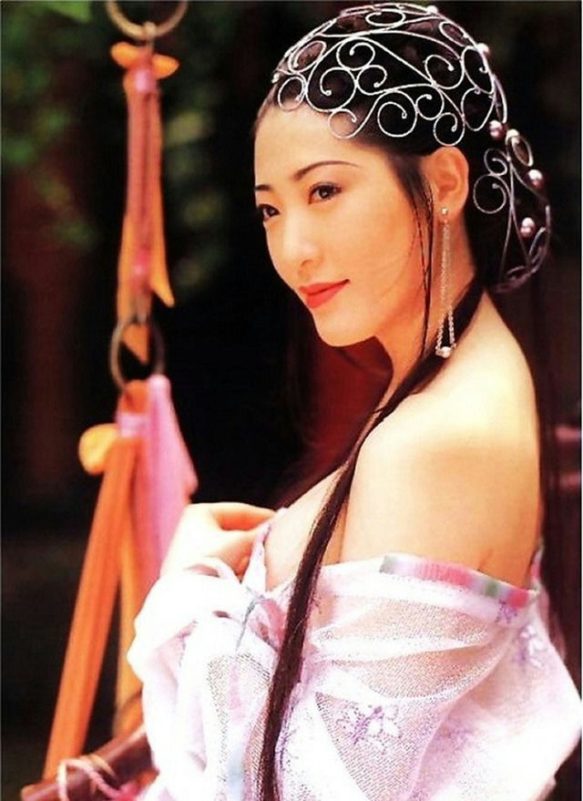
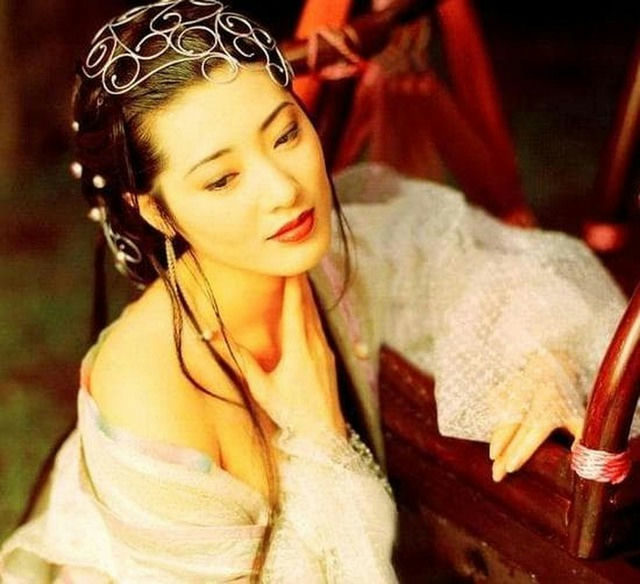
Her expressive eyes and ability to portray nuanced emotion quickly elevated her status above other adult film stars of the era—even outshining emerging contemporaries like Shu Qi in terms of early fame. Yeung’s popularity soared further with the release of her sensual photobook 妖精開花 (“Blossoming Fairy”), which captured imaginations throughout Asia with its refined, Eastern aesthetic.
However, while Shu Qi transitioned into mainstream and arthouse cinema, Si-Man Yeung struggled to break free from the seductive persona that made her famous. She took on a few supporting roles in TV and film projects with well-known actors like Takeshi Kaneshiro and Alec Su, but the industry’s lingering prejudice kept her from finding lasting success.
Si-Man Yeung’s Quiet Reinvention
In 2000, tragedy struck when Yeung was diagnosed with breast cancer. Faced with the choice between her career and her health, she bravely chose a mastectomy. Though the surgery saved her life, it effectively ended her career in front of the camera. With her signature physical image altered, acting opportunities dried up.
Yeung then quietly withdrew from showbiz and opened a noodle restaurant in Taiwan. It was there she met Arumi, a gentle and supportive Japanese businessman who became her life partner. Though they never married or lived together full-time, the two have maintained a stable and loving relationship—managing the restaurant side by side.


Her last screen appearance was in the indie film Beauty And The Boss. Since then, Yeung has chosen a life far removed from fame—caring for her restaurant, living simply, and nurturing her relationship in peace.
Unlike Shu Qi, who reinvented herself into a red-carpet staple and acting powerhouse, Si-Man Yeung found her own form of success: one defined not by fame or fanfare, but by self-awareness, healing, and quiet dignity. She left behind a dazzling but difficult past to embrace a future grounded in authenticity.
While her story may feel bittersweet to fans who remember her as a screen siren, Si-Man Yeung’s journey offers a rare glimpse into life beyond the camera—a path shaped by courage, choice, and the search for genuine peace.
You must be logged in to post a comment.