
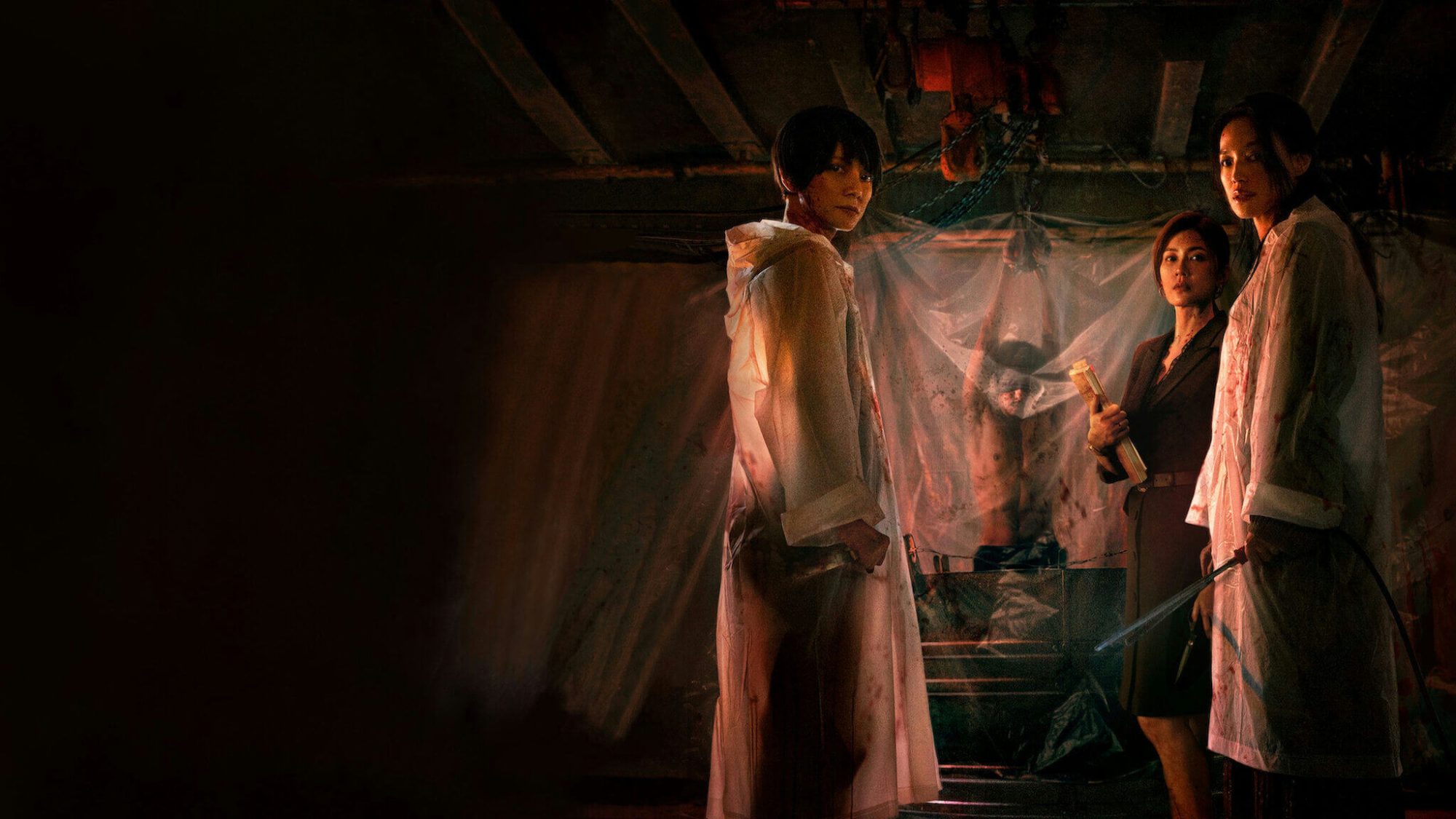
The story of The Resurrected opens with a shocking crime. After being trapped in a fraudulent scheme, the daughter of Hui Chun (played by Shu Qi) falls into a deep coma, while the daughter of Zhao Jing (played by Sinje Lee) dies tragically. The heartbreaking fates of the two young women push their mothers into utter despair and agony.
Although the mastermind behind the fraud is sentenced to death, Hui Chun and Zhao Jing cannot quell their anger. They decide to resort to spiritual forces, resurrecting the man for seven days in order to exact revenge and uncover the secrets still buried beneath the scam.
A Mother’s Vengeance
The Resurrected blends crime, mystery, and the supernatural in a unique narrative. More than a revenge tale, it’s a deeply psychological journey, exploring how grief and the thirst for justice challenge moral boundaries. The characters are forced into a “gray zone” where every choice they make defines their essence.
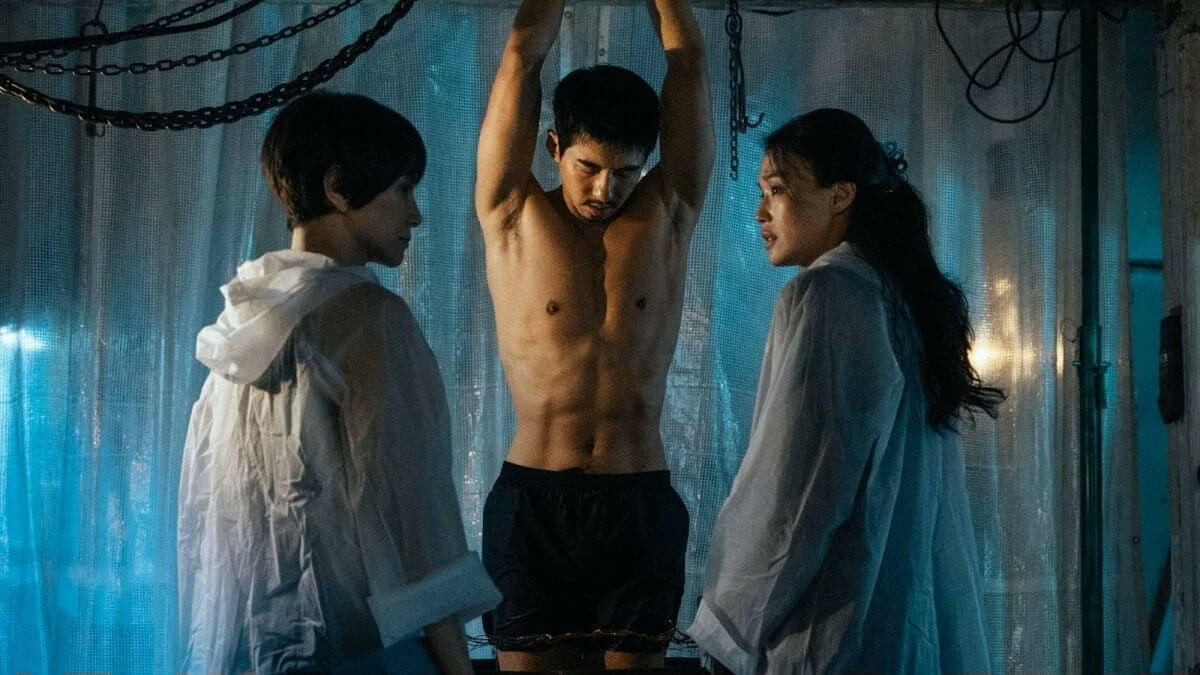
In just seven days, the mothers must race against time to confront the man responsible for their tragedies and locate the hidden stash of illegal money funds that could potentially save Hui Chun’s comatose daughter. However, their mission is riddled with obstacles, testing their trust in each other and pushing them to the brink of breakdown.
Running parallel to Hui Chun and Zhao Jing’s journey is the story of Huang Yi-Chen (played by Alyssa Chia), a lawyer whose daughter also fell victim to the scam but survived. As someone who upholds the law, she finds herself torn between justice and the morally dubious actions of the other two women.
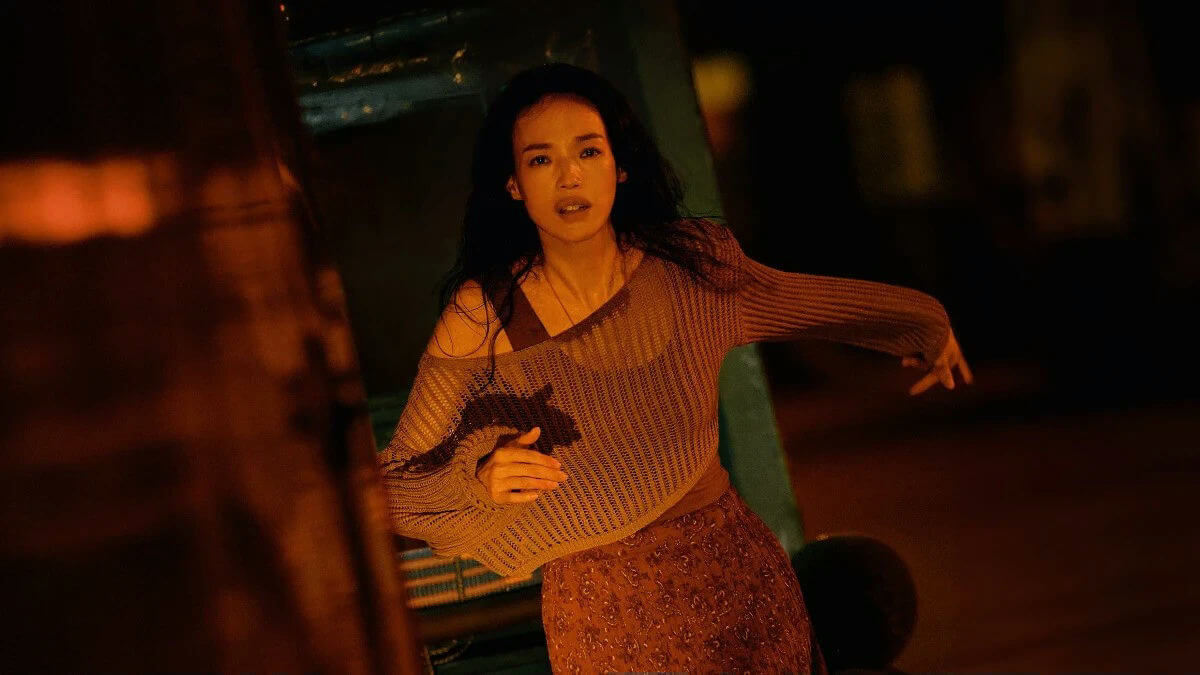
The ethical dilemmas faced by these mothers form the spine of the film. It places the characters in constant tension between right and wrong, as they spiral into hatred while seeking a form of justice they no longer believe the law can deliver.
Twists, Shadows, and Moral Conflict
The Resurrected employs multiple plot twists to keep viewers off-balance. It also reflects the darker corners of society places where the light of justice cannot reach and where crimes are hidden behind the facade of righteousness. Ultimately, the film provokes thought on the paradox of good and evil, right and wrong, stirring emotional reflections in the viewer.
Told with a slow, non-linear pace in the first half and a more urgent rhythm in the second, the film takes viewers through events that shift between past and present. Secrets are buried under layers of memory, challenging both the characters and the audience to patiently peel them back. However, frequent flashbacks may slow the tempo, at times undermining the suspense typical of mystery and crime dramas.
The director’s attempt to juggle too many narrative threads revenge, redemption, and the exposure of an entire crime network can result in narrative fatigue during some scenes.
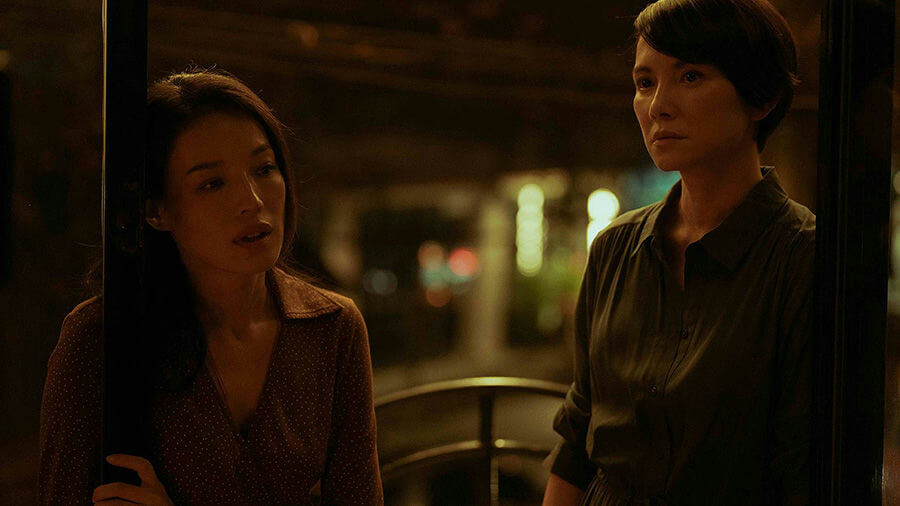
The inclusion of supernatural elements adds an initial layer of intrigue, promising that spiritual forces may shape the quest for truth and justice. But in the end, this supernatural aspect lacks narrative weight and becomes more of a backdrop than a driver of the story a logical weak point in the film’s construction.
A Powerful Cast Brings the Drama to Life
What ultimately anchors The Resurrected is its stellar cast, particularly three Best Actress winners from the Golden Horse Awards.
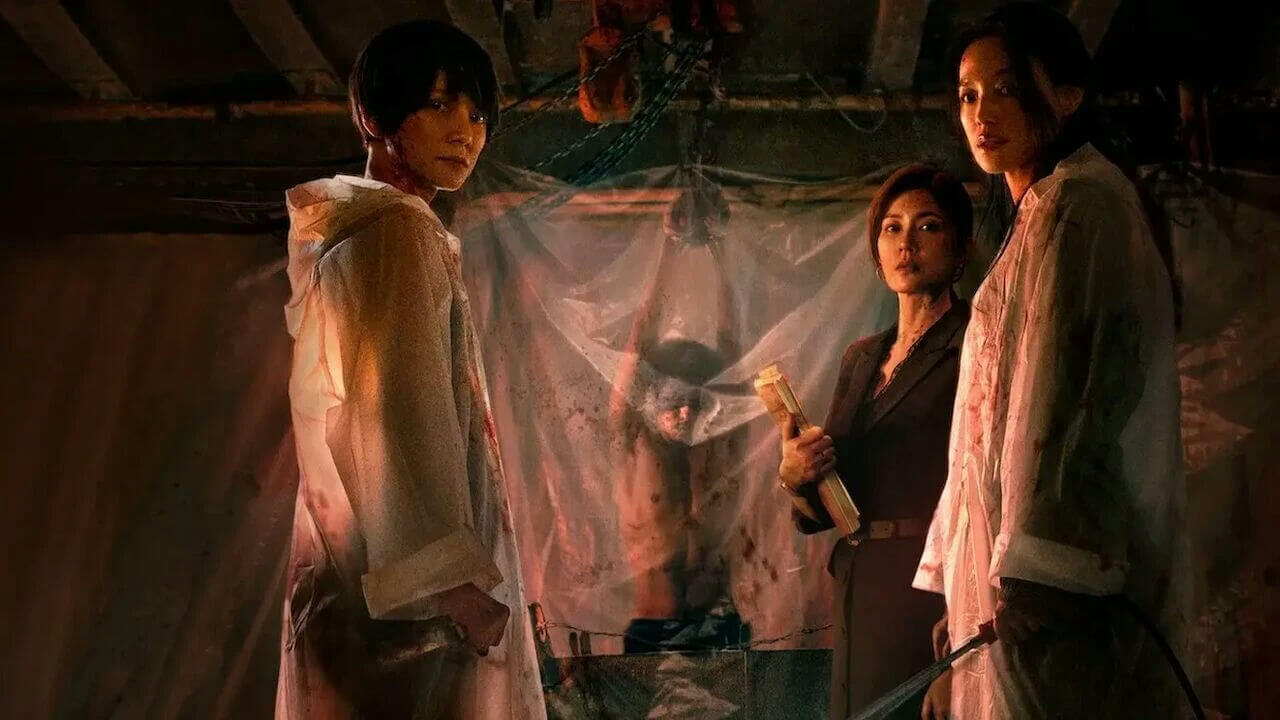
- Shu Qi shines as Hui Chun, a mother lost in despair after her daughter falls into a vegetative state. Returning to TV after a long break, she delivers a heartfelt performance, capturing a range of emotions with subtlety and power. Her scenes of emotional outburst paint a raw and complex portrait of grief and desperation.
- Sinje Lee gives a cold, restrained performance as Zhao Jing, a woman who has lost all hope after the death of her daughter. She lives only to avenge her loss, with a heart shattered by grief. Her portrayal is like a frozen lake calm on the surface, but with chilling intensity beneath.
- Alyssa Chia plays Huang Yi-Chen, the conflicted lawyer trying to walk a tightrope between legal justice and personal sympathy. Her performance is layered, showing careful restraint while hiding deeper motives beneath the surface.
The three mothers, though united by shared pain, embody completely different emotional spectrums, offering a compelling psychological contrast.
Visual Storytelling and Global Reception
Visually, The Resurrected is striking. Memory sequences are bathed in warm hues, while present-day scenes use cold, desaturated tones to convey emotional suffocation and isolation. The cinematography constantly shifts perspectives, placing the audience in the minds and experiences of the characters. Long, continuous takes further immerse the viewer in the emotional tension.
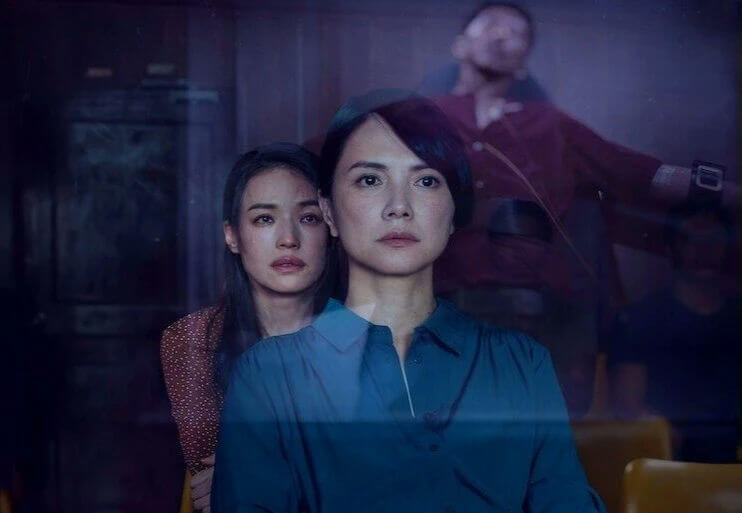
Since its release, The Resurrected has soared in popularity across multiple countries, quickly entering Netflix’s Top 3 for Mandarin-language shows and staying in the Top 10 in over a dozen Asian countries during its first week.
Sources: Variety, Netflix Newsroom, SoapCentral, IMDb
You must be logged in to post a comment.