
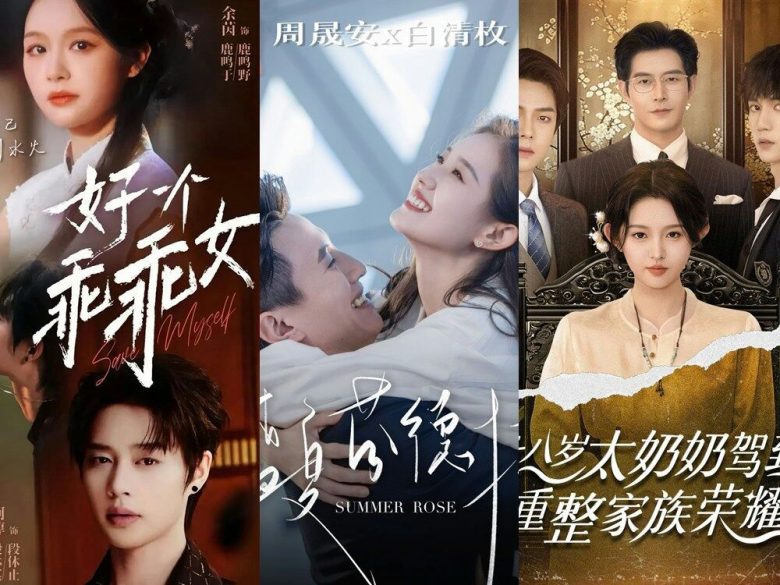
In recent years, micro-dramas from mainland China (known in Taiwan as vertical short dramas) have risen to prominence, sparking a global wave of short-form drama production. Even the North American market has joined the trend. So why are micro-dramas suddenly so popular? And how are Taiwanese film and TV creators getting involved? Host Feng Bo-han reveals the inside story of this emerging industry!
Host Feng Bo-han sat down with Ronan Wong, CEO of AR Asia Production, and Justin Saucedo, Head of Script Development at Lunar Tickets LLC (USA), to discuss the current state of micro-dramas. Why are they so hot right now? Justin was direct: “Because micro-dramas don’t preach.” Unlike traditional TV series, which often aim to convey values or ideals, micro-dramas are designed to fulfill viewers’ emotional needs. They serve as emotional outlets, offering the experience of things people can’t do in real life.
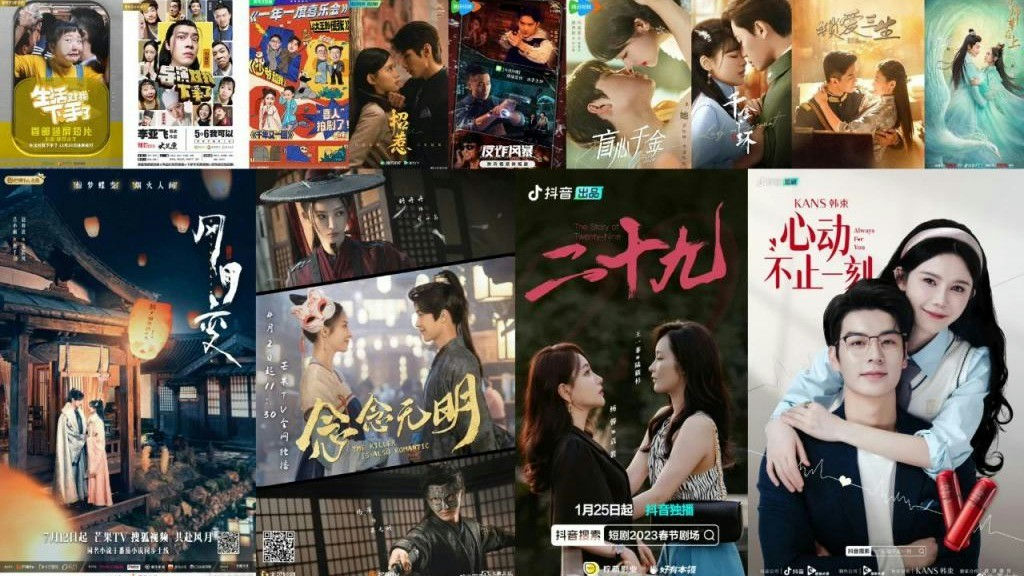
Justin further explained the process of creating short drama scripts in the U.S. He collaborates with Chinese-speaking writers to identify popular micro-dramas on Chinese platforms, records the storylines, translates them into English, and then adapts them to fit Western cultural contexts.
Is this kind of imitation allowed? According to Justin, it doesn’t legally constitute copyright infringement because they’re merely borrowing the core story idea and creating different content from it. Even if someone adapted one of his micro-dramas and produced a similar story, he said he wouldn’t mind, explaining that micro-dramas aren’t high art. Both Justin and Ronan believe micro-dramas are about producing what audiences want to watch. Originality isn’t the goal — it’s like how many noodle shops sell the same beef noodle soup, but each uses different techniques. When audiences want to see revenge plots or domineering CEOs, each production company brings its own version of the same themes to the table.
So how should a Taiwanese team get started in the micro-drama scene? Ronan recommends that aspiring creators begin by selecting one or two viral Chinese micro-dramas and shoot versions using the same scripts. These sample productions can then be used to pitch to platforms. While it’s unclear whether this advice suggests imitation purely for practice or also for pitching, Feng interprets it as a test of judgment — knowing which stories work or fail — and a way to prove one’s ability to execute a complete micro-drama project.

With people spending more time on their phones, vertical video content like micro-dramas has become a popular format. But what other interesting changes has this trend brought? Ronan points out that the rise of micro-dramas has created opportunities for shorter actresses. In the past, Hollywood favored tall male stars, and actresses under 165 cm (5’5″) often struggled to land roles. But with the shift to vertical framing — narrow, close-up shots focused on a single person — height no longer matters as much. This breaks the traditional bias favoring tall actors and opens doors for unknown talent. Now, people who previously had no opportunities are stepping into the spotlight, and this new format is introducing a fresh wave of faces and talent to the industry.
Feng Bo-han concluded the program by sharing his own thoughts. He believes that while micro-dramas are tailored to audience preferences and designed to avoid fatigue, they still require creativity and pose a serious challenge. The production process demands high execution power from industry professionals — and only those who can deliver consistently will produce truly great content.
Sources: ETtoday星光雲
You must be logged in to post a comment.