

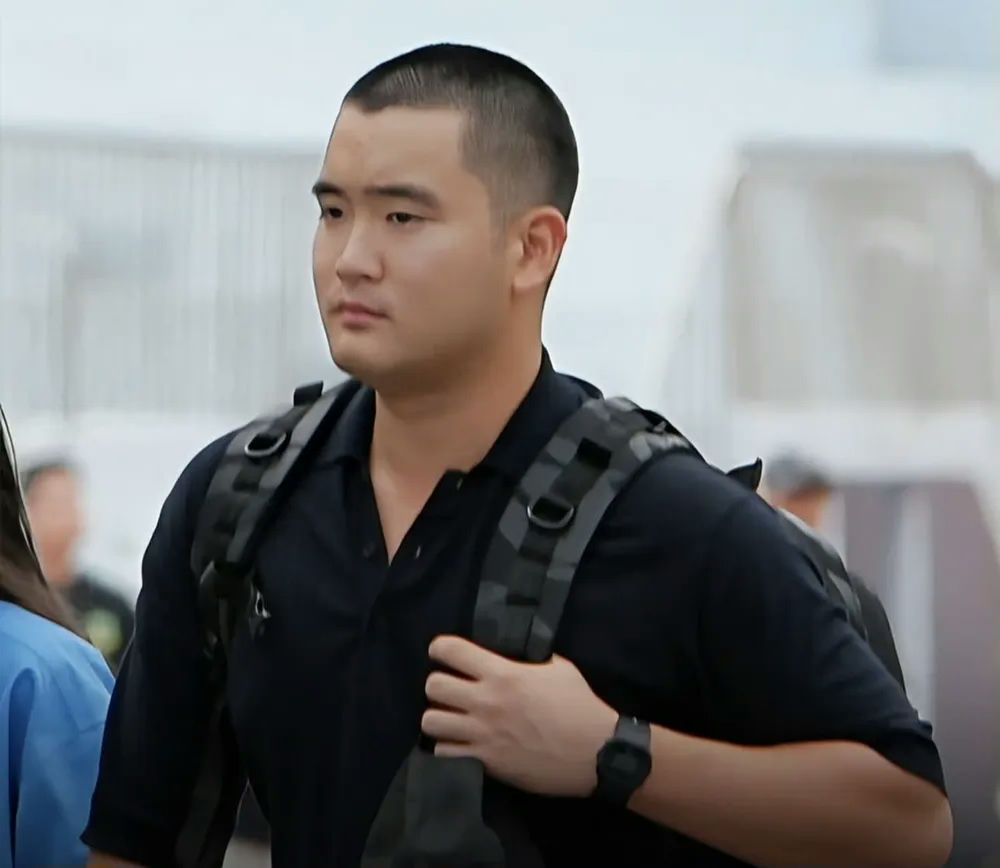
On September 15, Lee Jee-ho, the 24-year-old son of Samsung Chairman Lee Jae-yong, officially entered the Korea Naval Academy as an officer candidate, beginning a 39-month term of military service—nearly double the standard 18–21 months required of most conscripts.
Even more surprising, he gave up his U.S. citizenship, which he held by birth in New York in 2000, in order to serve. The decision has made headlines in Korea, with media and netizens calling it both “a rare sacrifice” and “a gesture of noble responsibility” from the heir of the country’s wealthiest family.
Why Serve Longer as an Officer?
Observers note that serving as an officer rather than completing the minimum term as an enlisted soldier offers chaebol heirs significant benefits.
- Leadership Training: Officers are expected to make decisions, manage teams, and demonstrate command ability, aligning with the public’s expectations of future corporate leaders.
- Reputation: By choosing the harder path, heirs counter suspicions of privilege and avoidance. As Professor Hwang Yong-sik of Sejong University noted, “When chaebol heirs serve transparently, especially as officers, it helps erase negative stereotypes and strengthens their leadership image.”
- Public Sentiment: Military duty is highly sensitive in Korea, with any hint of evasion leading to long-term stigma. The infamous case of singer Steve Yoo (Yoo Seung-jun)—banned from Korea since 2002 for evading service—still looms large in public memory.
Park Ju-gun, head of corporate tracker Leaders Index, explained: “Avoiding military service can damage both the reputation and stock value of a conglomerate. Serving not only fulfills a civic duty but also builds trust in the heir as a responsible leader.”
Strategic Benefits
A recent Chosun Ilbo article also highlighted the international networking opportunities available to officers, especially in the Navy and Air Force.

Examples include:
- Chung Ki-sun (Vice Chairman of HD Hyundai), who served as an ROTC Army officer and still maintains ties from his military days, including connections with the U.S. Naval Academy.
- Kim Dong-kwan (Vice Chairman of Hanwha), who served 39 months as an Air Force interpreter officer, gaining experience in high-level meetings, including one between South Korea’s prime minister and the U.S. defense secretary.
One former Air Force interpreter officer recalled: “Working closely with commanders provides a direct environment to observe and learn leadership styles.”
A Broader Trend
Lee Jee-ho is not the first chaebol heir to take the officer path. Serving as ROTC or interpreter officers has become almost a tradition among Korea’s top families, including heirs from Hanwha, SK, Hyundai, and Dongkuk Steel. Even female heirs, such as Chey Min-jung of SK, have volunteered for officer service despite not being required by law.
For Lee Jee-ho, this move positions him not only as the future leader of Samsung but also as a figure attempting to demonstrate accountability and credibility in the eyes of the Korean public.
Sources: The Korea Herald,The Korea Times,Chosun Ilbo
You must be logged in to post a comment.