

A wave of Korean television dramas that mirror the lives of viewers in their 40s and 50s is striking a deep chord with the audience. Series such as “The Dream Life of Mr. Kim” (JTBC), “Don’t Call Me Ma’am” (TV Chosun), and “Typhoon Family” (tvN) are portraying the trials of mid‑life with realism and empathy. The stories focus on a manager at a major company pressed toward retirement after 25 years, the hardships of a 40‑something career‑paused mom living only for her children, and memories of the IMF crisis era that now belong to the past. One line from the drama “The Dream Life of Mr. Kim” – “Protecting my family is actually protecting myself.” resonates strongly by capturing the burdens faced by those still carrying weight as providers and professionals.

The JTBC drama that began airing on October 25, “The Dream Life of Mr. Kim,” follows Kim Nak‑soo (played by Ryu Seung‑ryong), who has spent his entire career at a large company and owns his home in Seoul, as he confronts life after leaving the position he built his identity around. Based on a novel by writer Song Hee‑goo, the series recently landed at number five on Good Data Corporation’s November first‑week drama ranking and achieved a metropolitan viewership of 5.5% and nationwide 4.7% for its eighth episode signs of steady traction.

What makes “The Dream Life of Mr. Kim” particularly compelling is its painstaking attention to workplace reality: the corporate ladder where being “in the right line” matters for promotion, the generational collision between younger colleagues and older employees, and the anxiety of senior staff whose advancement feels like survival. The drama weaves in hot‑button topics like real estate and the prestige of working at a conglomerate, blending everyday pressure with minimal fantasy to ground the narrative. For mid‑life viewers who may feel the finish line of career is closer than the still‑long horizon of retirement Kim’s journey toward rediscovering himself hits home.
Moreover, the series respects life’s endurance rather than glamorizing it. Kim Nak‑soo’s life 25 years at the company, buying a home in Seoul, sending his child to a top university stands in stark comparison to a younger peer’s multi‑billion‑won home or a friend who owns a building and rents it for 30 million won per month. Yet for the viewer who has traveled such a path, the value of Kim’s accomplishments is unmistakable. Actor Ryu Seung‑ryong said in an interview before the show aired: “At first I thought (Kim Nak‑soo) looked like someone familiar someone you might meet anywhere. He isn’t exceptional, and that’s why he feels so real. We all live in our respective places and endure. I think many will see themselves in this story.”

On TV Chosun, the new Monday‑Tuesday series “Don’t Call Me Ma’am” is resonating for its honest depiction of women in their 40s. It focuses on three friends in their forties tired of child‑rearing and repetitive office life as they strive for what they call a “complete life.” The character Jo Na‑jung (Kim Hee‑sun) particularly reflects the emotional state of many “career‑pause moms” (40‑somethings whose professional lives paused for family). Once a successful home shopping host, now a mother of two, she appears first wearing a sun‑flower mask at a culture center event, sweating through the performance. Later she chases her kids at a kids’ café, takes pictures, returns home still wearing an oversized T-shirt—all captured with authenticity. Her battle to handle car‑seat complaints while driving, and her daily grind, reflects the life of many moms.
The drama also gives voice to the hidden pain of ordinary housewives. One line by Na‑jung “Do you think I wash dishes because I like it? I want to work again.” captures the resentment of years spent putting the family first. “Don’t Call Me Ma’am” traces the emotional terrain of women caught between societal success and home‑bound devotion, empathy for their hardships, and the longing to reclaim something for themselves.
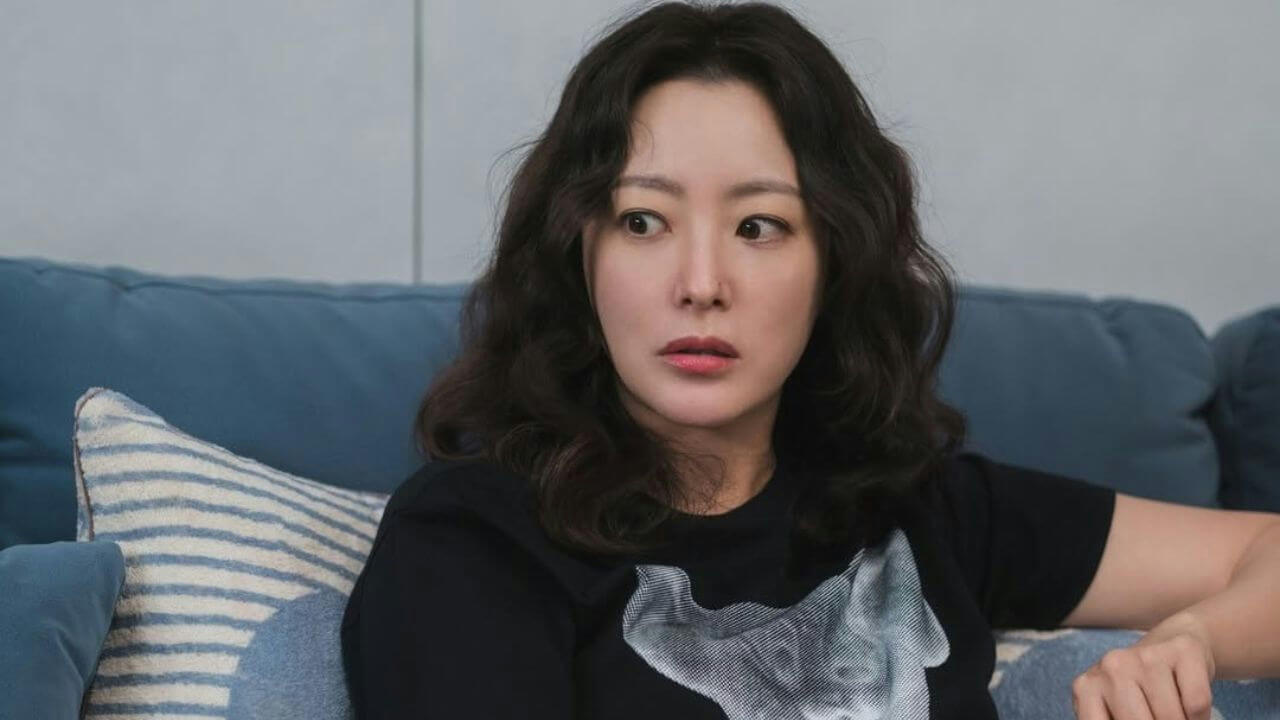
Actress Kim Hee‑sun shared at a press conference on November 10: “When men and women both get married and have kids, then childcare becomes part of life. Overcoming each of those things that’s what life is. I too spent six years at home after getting married and having children. Although I had done it before, facing work again after rest made it even more precious, so I approached it diligently.”
Meanwhile, tvN’s weekend drama “Typhoon Family” has also struck a chord, offering warm comfort to those who have “just kept going” and are still going strong. Set in the IMF era of 1997, it follows rookie manager Kang Tae‑poong (Lee Jun‑ho) who becomes the CEO of a small trading company with no staff, no money, and no inventory. The 12th episode, aired November 16, recorded a nationwide household average rating of 9.9% (11% peak) and metropolitan average 10% (11.1% peak), the highest the show has reached and placing it first in its timeslot across all channels.
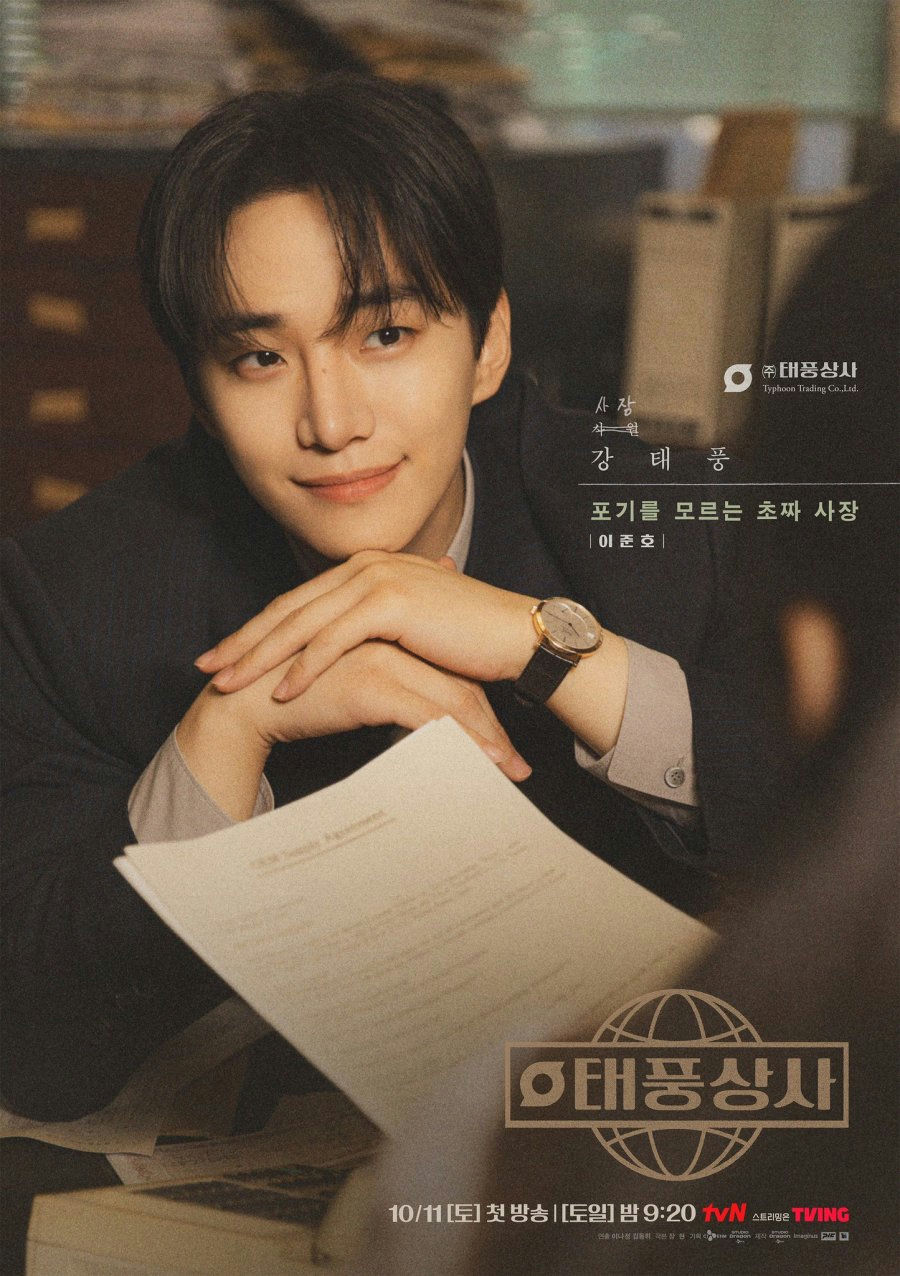
Anchored in a time of crisis that seemed apocalyptic, the drama highlights how ordinary people held their ground and did not stop living. The sets, props, and mood revive the late ’90s with nostalgic precision, tapping into the emotional reservoir of mid‑life viewers who lived through that era. Screenwriter Jang Hyun said: “Sometimes just holding on is enough to say you lived well. That was the IMF time, I think. Even if you fell or stumbled, if you survived and now you’re watching this drama we should give thanks to you. Because your hard life built today’s Korea.” Jang Hyun added, “Although Typhoon Family is set in the IMF era, it is not a drama about despair or sadness. Our protagonist finds small moments of romance even at tragic times; we’re more about hope and love.”
These three dramas reflect how the 4050 generation are being seen and heard not as background characters but as protagonists with stories worth telling. They remind viewers that living every day, with all its demands and disappointments, is itself a dramatic journey.
Sources: Daum
You must be logged in to post a comment.