
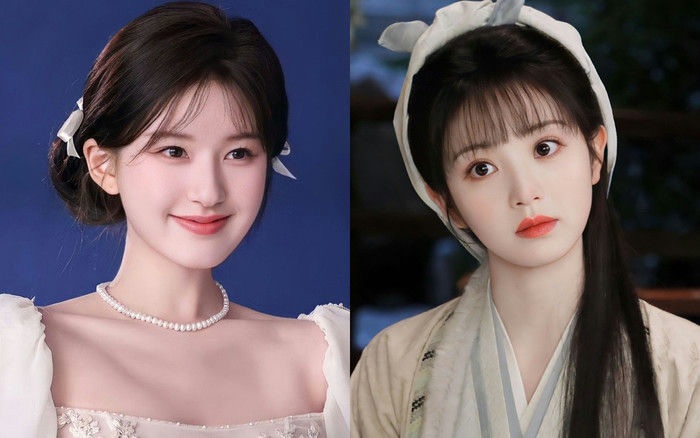
The so-called “post-95 generation” of Chinese actresses has increasingly become a hot topic of debate, with many viewers questioning whether their popularity truly matches their talent and career stability.
According to reports from QQ, this generation is currently at its peak in the industry. While older stars like Yang Mi, Zhao Liying, and Tiffany Tang are gradually transitioning into more mature roles, and the post-90 generation lacks standout names, the post-95 actresses are seen as the perfect age to lead romance dramas. However, despite favorable conditions, many are facing growing criticism.
Zhao Lusi was once considered one of the brightest stars of her generation. Rising from web dramas to mainstream success, she built a strong fanbase and delivered several hit performances. At one point, she was even seen as the closest contender to “top traffic” status alongside A-list stars.
However, her career took a sharp turn in late 2024 following a dispute on set that reportedly led to serious health issues. She subsequently halted her acting activities and sought to terminate her contract, stepping away from the industry for nearly a year. Although she has since appeared in variety shows, her reputation has suffered. Critics now label her as a high-risk artist, citing unstable public image and controversies surrounding her health and online behavior.

Meanwhile, Esther Yu has also faced backlash. Once a strong rival to Zhao Lusi, she became embroiled in allegations of mistreating a colleague, which damaged her public image. The controversy even affected her casting opportunities, with one major project reportedly collapsing despite initial announcements.
Although she continues to work steadily, some critics argue that she has avoided public appearances, including award shows and red carpets, for nearly a year. Industry observers suggest she urgently needs a breakout hit to recover her standing.

Tian Xiwei presents a different case. Despite her attractive visuals and solid project results, she struggles to gain personal recognition. Her recent drama drew attention for alleged inflated viewership data, leading to accusations of artificial hype.
Her acting has also been questioned, particularly in emotional and action scenes, where critics argue she lacks depth and nuance. As a result, she is often described as an actress whose projects succeed, but whose personal brand fails to resonate.

For Zhou Ye, the situation appears even more challenging. Frequently criticized for exaggerated acting and poor emotional control, she has struggled to deliver successful projects. Despite strong backing from her agency, audiences remain unconvinced by her performances.
Additionally, past controversies regarding her attitude have further damaged her reputation, leading many to view her as one of the weakest performers in her generation.

Meng Ziyi is also facing stagnation. While she belongs to the same age group, her mature appearance limits her casting in youthful roles. Combined with criticisms of stiff acting and repetitive character portrayals, her career growth has been hindered.
Her recent casting in a drama adaptation sparked backlash due to a mismatch between her age and the original character, further intensifying public criticism.
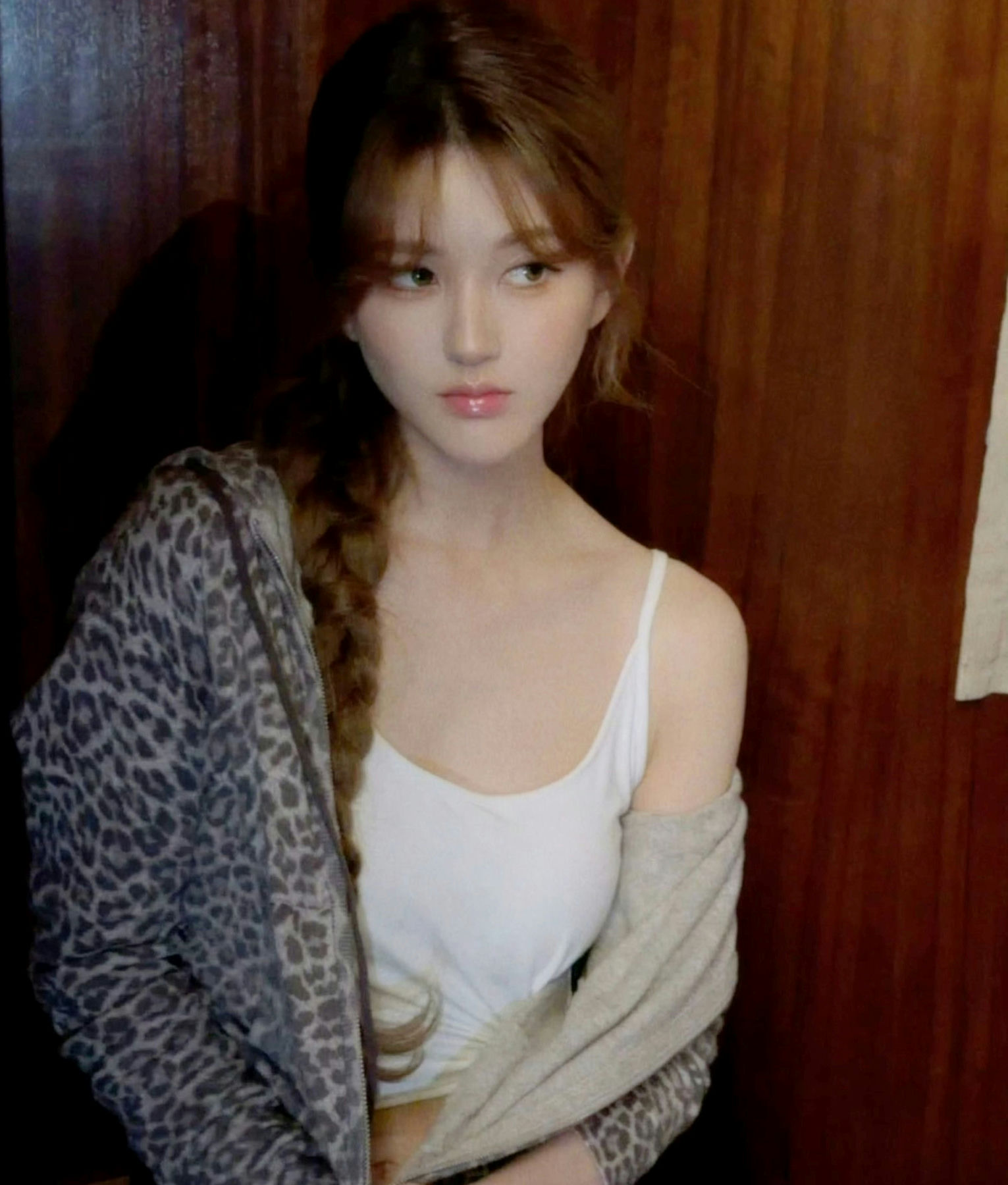
Beyond these names, actresses like Song Zu’er, Wang Churan, Zhang Jingyi, Lu Yuxiao, Li Landi, and Zhang Ruonan continue to take on projects, but few have achieved truly outstanding success.

Looking back, the post-85 generation including stars like Liu Yifei, Yang Mi, and Liu Shish rose to fame in their early 20s with defining roles. Even late bloomers like Zhao Liying secured major hits before turning 30, solidifying their status early on.
In contrast, the post-95 generation is still searching for defining works and iconic roles. Despite strong industry backing and constant opportunities, few have managed to break through to the next level. The gap between popularity and proven talent remains a central issue, fueling ongoing debate about whether this generation truly lives up to expectations.
Sources: K14
You must be logged in to post a comment.