
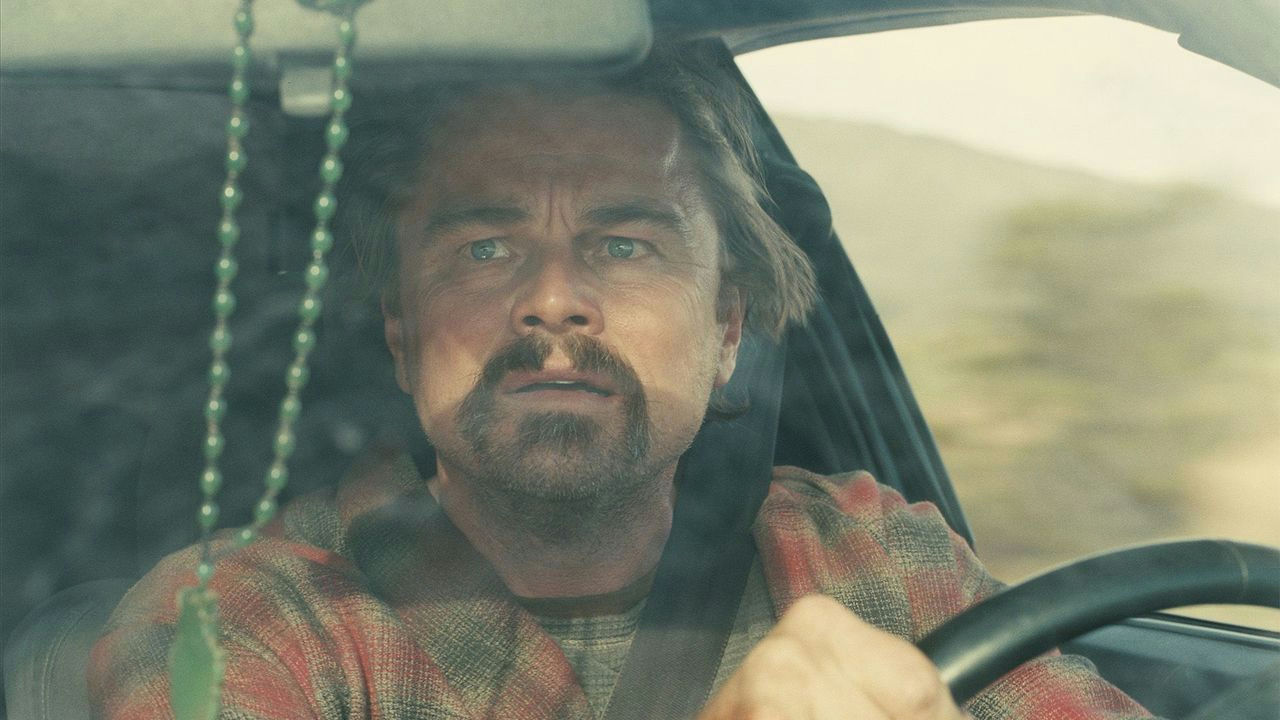
The blockbuster One Battle After Another, starring Leonardo DiCaprio, emerged as the biggest winner at the 98th Academy Awards, taking home six trophies out of 13 nominations.
At the 98th Academy Awards, the film directed by Paul Thomas Anderson claimed the prestigious Best Picture award.
Earlier in the ceremony, the film had already won several major categories, including Best Director for Anderson, Best Supporting Actor for Sean Penn, Best Adapted Screenplay, Best Casting, and Best Film Editing.
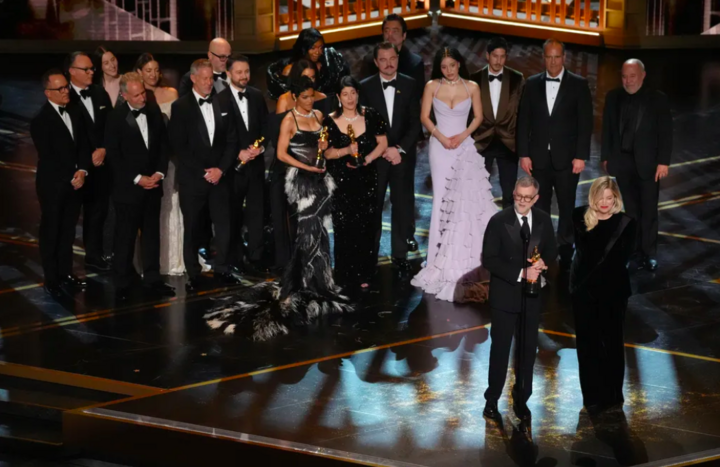
While accepting the award on stage, Anderson recalled a famous moment in film history. He referenced the Best Picture nominees of 1975, which included Dog Day Afternoon, One Flew Over the Cuckoo’s Nest, Jaws, Nashville, and Barry Lyndon. According to Anderson, none of them could truly be labeled “the best,” as the title often depends on the audience’s emotions at a particular moment. He also thanked the fellow nominees and the cast members who brought the story to life.
One of the key factors behind the film’s success with Academy voters was its screenplay, which Anderson personally developed.
The filmmaker built the story from several short stories he had written himself, while also drawing inspiration from the novel Vineland by author Thomas Pynchon. Anderson had considered adapting the book for many years but ultimately worried that his deep admiration for the source material might limit his creative freedom.
Instead, the director chose to create a completely new narrative, keeping only a few core elements most notably the emotional father-daughter relationship that becomes the heart of the film.
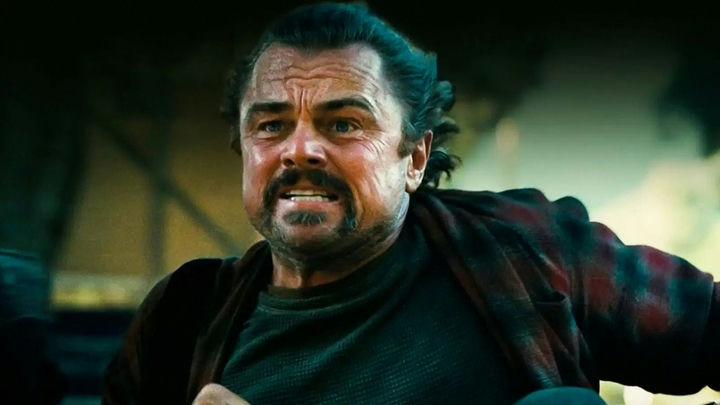
With a production budget of about $130 million, One Battle After Another centers on Bob Ferguson, a character portrayed by Leonardo DiCaprio.
Bob was once part of a revolutionary group, but after a series of personal setbacks, he ends up living as a struggling single father who spends his days drowning in alcohol and cigarettes. His life changes dramatically when he learns that his daughter has been kidnapped.
Wearing a worn bathrobe and a faded knit cap, Bob begins a desperate journey to find his child. Rather than focusing solely on political uprisings or revolutionary action, Anderson directs the narrative toward Bob’s inner turmoil a father torn between past ideals, personal responsibility, and growing doubt about the world around him.
The film also juxtaposes Bob’s story with images of immigrant families at the U.S.–Mexico border, exploring social themes such as immigration struggles, widening economic inequality, and the rise of populism.
Alongside Leonardo DiCaprio, the film features an impressive ensemble cast including Regina Hall, Alana Haim, Wood Harris, Teyana Taylor, Shayna McHayle, and Chase Infiniti.
Reports suggest that Leonardo DiCaprio received around $20 million for his role. Critics widely praised his performance, describing him as the emotional core of the film thanks to his nuanced portrayal of a desperate father facing overwhelming circumstances.
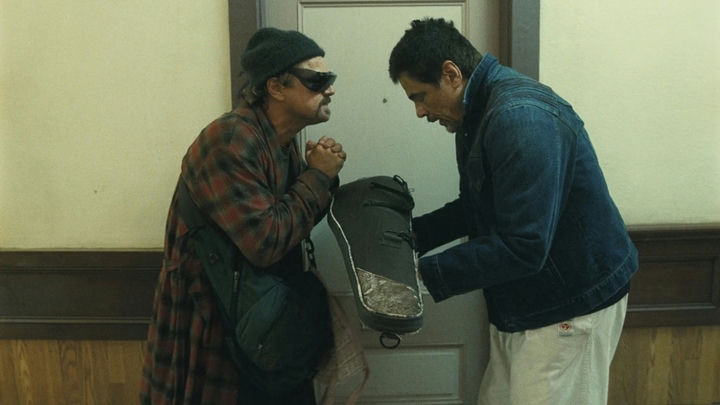
Notably, the film also marks the final project of assistant director Adam Somner, who passed away in November 2024. Paul Thomas Anderson dedicated the film to his longtime collaborator in tribute.
Even before its Oscar victory, One Battle After Another had already received strong support from critics.
On Rotten Tomatoes, 96% of 278 reviews rated the film positively. The site described it as a “wild epic adventure filled with inspired action sequences” and called it both the most entertaining and one of the most thematically rich films of Anderson’s career. Meanwhile, Metacritic gave the film a score of 95 out of 100 based on 53 critics, and audiences surveyed by CinemaScore awarded it an average grade of A.
Many reviewers singled out Leonardo DiCaprio’s performance as a standout element. The Hollywood Reporter praised the actor for convincingly portraying the psychological struggles of a father searching desperately for his child.
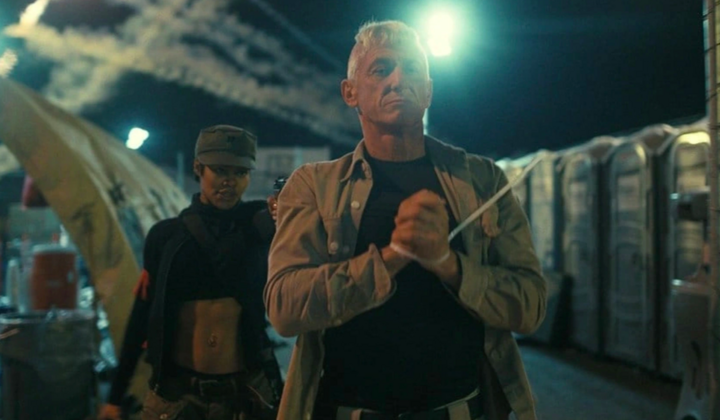
Similarly, BBC described DiCaprio as the emotional heartbeat of the film, especially in scenes where the character reveals vulnerability while fighting to overcome fear in a chaotic world.
Film critic Owen Gleiberman of Variety wrote that the movie challenges audiences through its blend of storytelling styles and demonstrates that Paul Thomas Anderson remains one of the few Hollywood directors still pursuing bold cinematic experimentation.
Legendary filmmaker Steven Spielberg also praised the movie highly. He revealed that he watched One Battle After Another three times and described it as the most action-packed film of Anderson’s career.
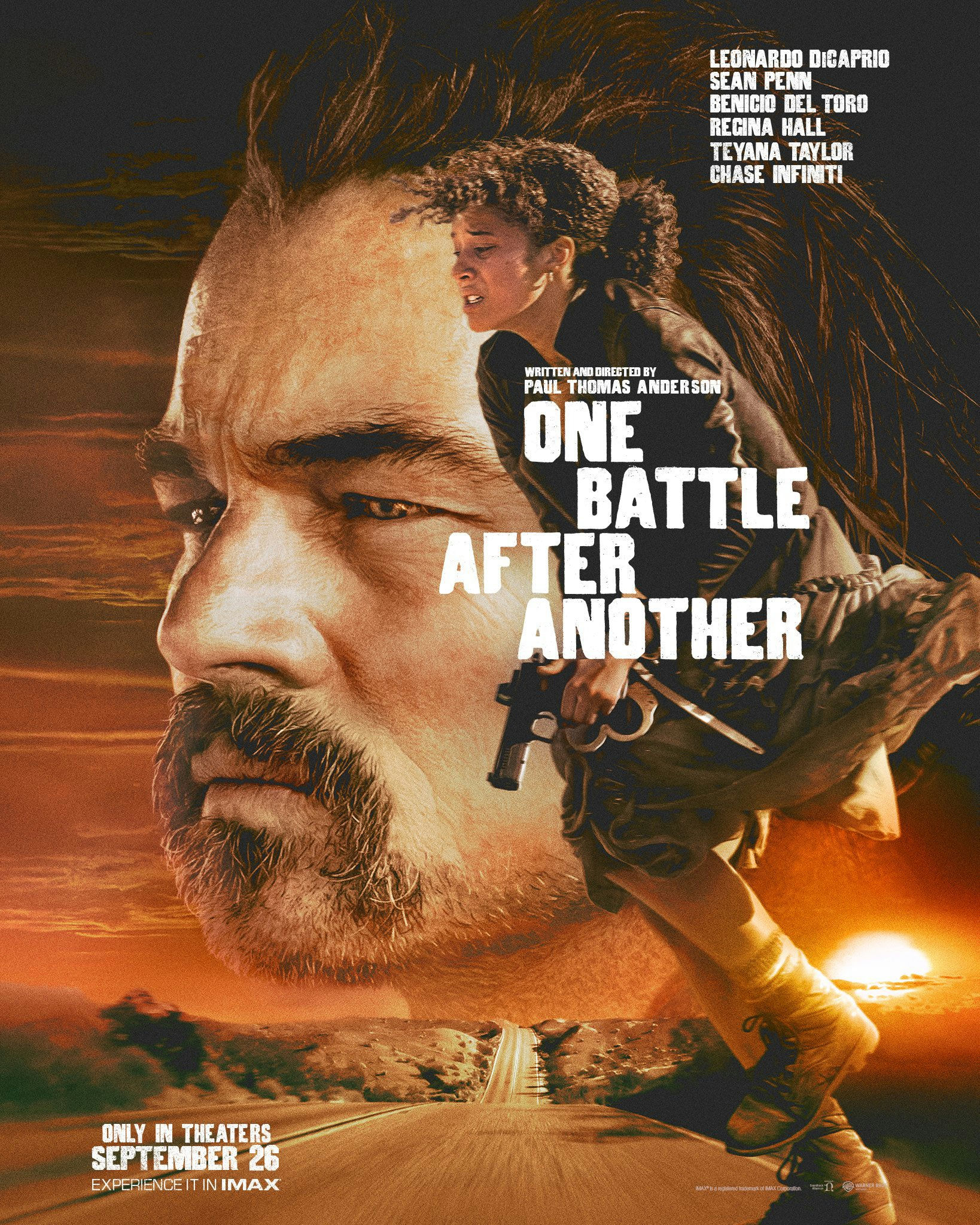
According to Spielberg, the film mixes absurd humor with serious reflections on contemporary social issues. “It makes you either laugh out loud or shout because it feels so real,” he said. Spielberg also praised the performances of Leonardo DiCaprio and Sean Penn, suggesting it could be one of Sean Penn’s finest roles.
With its layered screenplay, powerful cast, and daring storytelling style, One Battle After Another not only became the biggest Oscar winner of the year but also reinforced Paul Thomas Anderson’s reputation as one of the most innovative filmmakers in modern Hollywood.
Sources: K14
You must be logged in to post a comment.