

The variety shows created by star producer Na Young-seok and his so-called “Na Young-seok crew” are increasingly drawing criticism for overbearing production involvement. What was once a rare, light-touch appearance by producers has evolved into a constant, intrusive presence so much so that viewers question why they must now tolerate not only the cast, but also the production team on screen.
This shift is most vividly seen in Netflix’s “Three Meals in Kenya” and tvN’s “Green Bean, Red Bean”. In both shows, Na Young-seok and the production staff no longer limit themselves to directing off-camera. Instead, they appear alongside the cast, engaging in conversations, reacting visibly, and shaping the flow of scenes on-screen. Their voices, comments, and laughter frequently overpower the cast’s reactions, fragmenting the show’s natural rhythm and reducing viewer immersion.


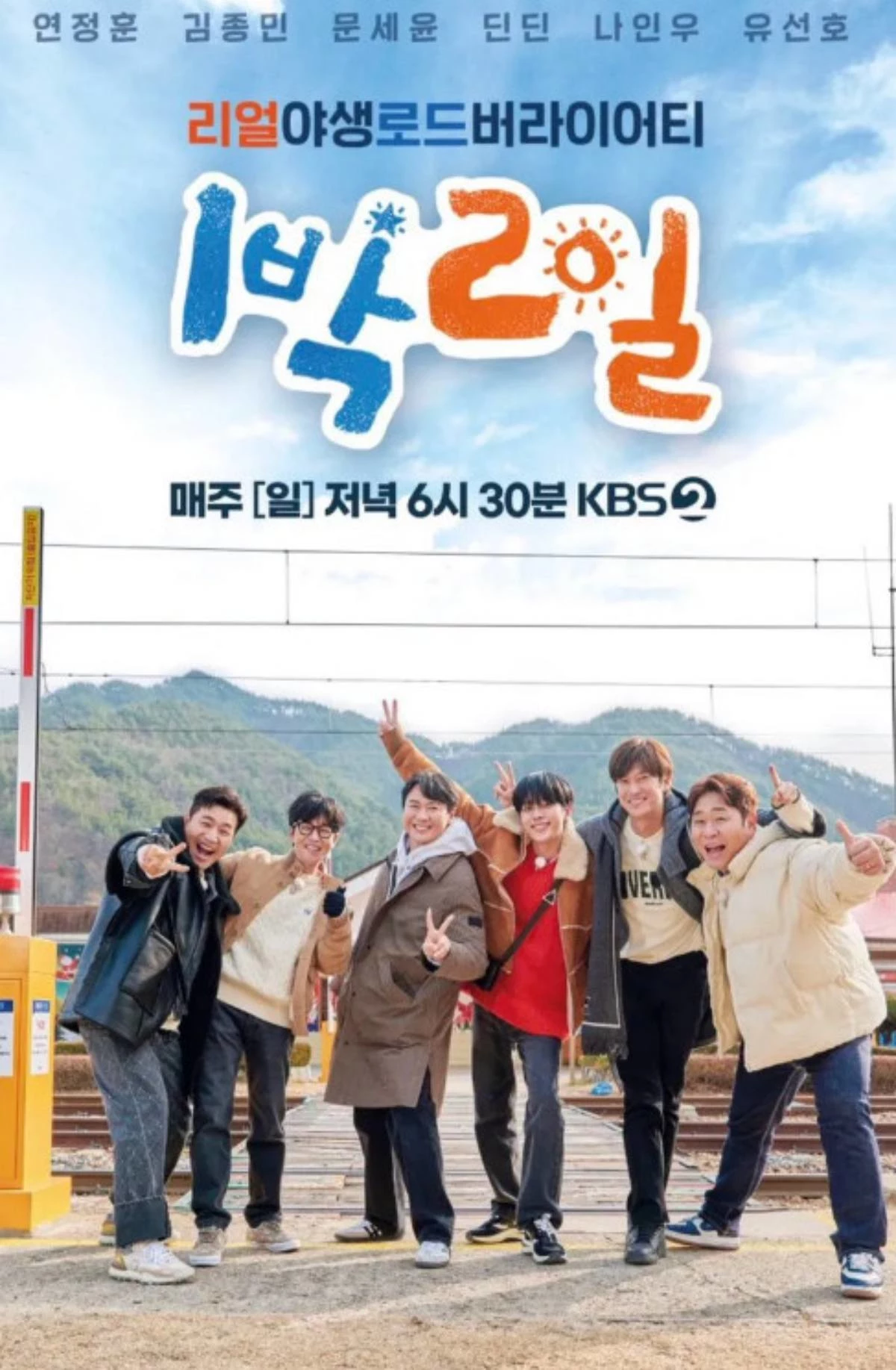
Producer cameos are not new in Na Young-seok’s universe. They were used sparingly in earlier hits like “1 Night 2 Days,” “Three Meals a Day,” and “New Journey to the West.” Back then, production staff appeared only when needed often adding charm or comedic rhythm without overshadowing the cast.
Now, however, the landscape has changed. The producer’s presence is no longer occasional but constant, and its frequency has increased sharply. Viewers are now required to consume not only the cast’s storylines but also the reactions and on-screen personas of the entire production team. As a result, discomfort and frustration are growing among audiences who simply want to enjoy a variety show not a meta-commentary involving the staff.

The production team is fully aware of this viewer fatigue. Kim Ye-seul, PD of “Three Meals in Kenya,” admitted in a recent interview that she has seen the criticisms. Nevertheless, she defended the heavy staff presence as intentional: “The rapport between Na Young-seok and the cast is an important part of the show. After six years, their dynamic felt essential in holding the group together.”
This explanation confirms what viewers suspected: the production team deliberately prioritized its own presence over preserving immersion. If the creative choice knowingly divides viewers, the resulting backlash becomes an inevitable consequence.
Concerns are also rising ahead of Netflix’s upcoming “Lee Seo-jin’s Dalla Dalla,” which reportedly resembles the format of “Lee Seo-jin’s New York New York” from tvN’s “Friday Joy Package.” At the time, Na Young-seok and Lee Seo-jin appeared side by side throughout the program, jointly narrating and leading scenes. Observers expect the same dynamic meaning more producer-fronted screen time.
Na Young-seok’s team has effectively positioned itself as co-stars in shows meant to focus on the cast. This shift forces viewers to endure the production team’s presence just to enjoy the program. What once functioned as a refreshing comedic touch has now become a barrier to entertainment an ironic but critical miscalculation.
If this pattern continues, viewers are left wondering: Why is the production team’s spotlight more important than the quality of the show? And who truly benefits from this creative choice—the audience, or the producers?
Sources: Daum
You must be logged in to post a comment.