
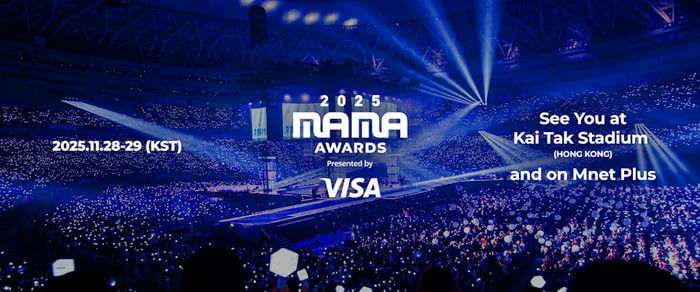
Even before it kicks off, MAMA 2025 has already become a flashpoint for heated discussion among K-pop fans. Returning to Hong Kong for the first time in seven years, MAMA 2025 will take place on November 28–29 at Kai Tak Sports Park, its first appearance in the city since 2018. The homecoming has generated palpable excitement, particularly among fans from mainland China and Hong Kong.
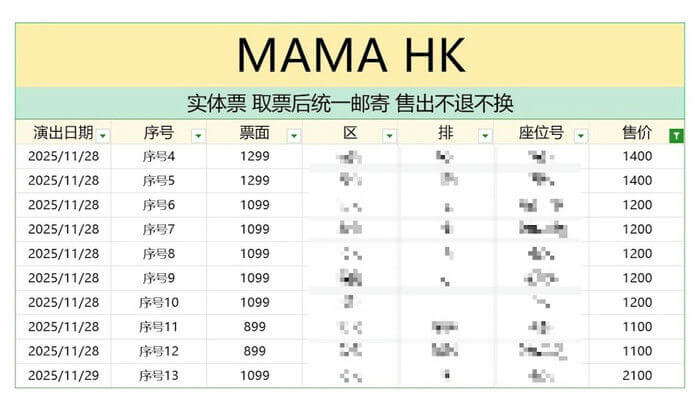
As one of the premier events in the K-pop industry, MAMA 2025 boasts a star-studded lineup. But its soaring popularity has brought controversy, especially regarding a steep disparity in ticket prices between the two nights. According to online sources, scalpers are inflating prices for November 29 the night featuring major award categories and top-tier K-pop groups up to several times the original cost. Many fans have voiced frustration, calling the pricing “unreasonable” and inaccessible to average viewers.
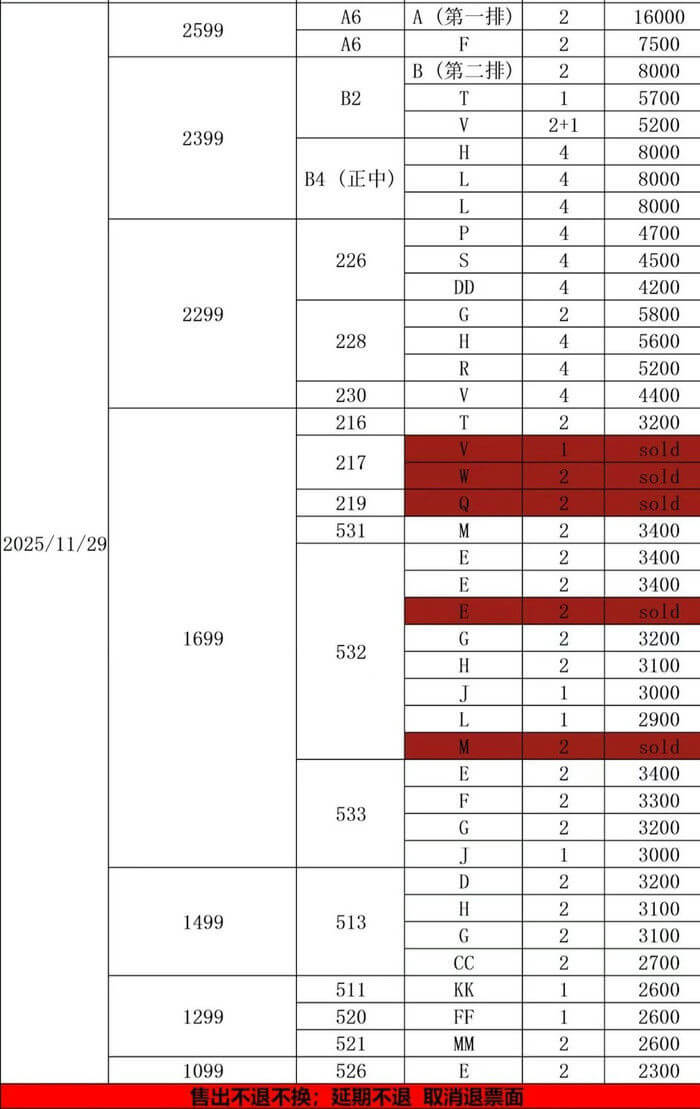
In contrast, tickets for November 28 remain relatively stagnant. Despite including some notable acts, the first night lacks big-name headliners, leading to weaker demand and modest resale interest. The split has led netizens to criticize the event’s artist distribution, which has visibly impacted market value and fan enthusiasm.

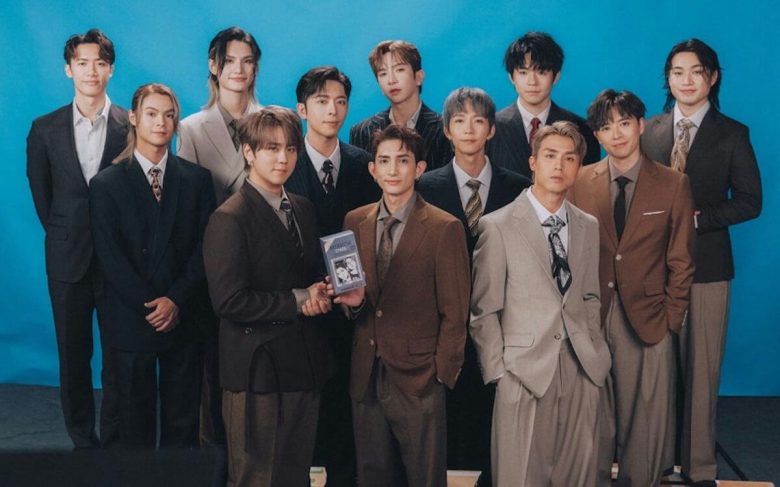
Another source of contention is the announcement that Hong Kong boy group MIRROR will perform on November 28. This marks a rare instance of a non-K-pop local act taking the MAMA stage traditionally dominated by Korean and K-pop-affiliated artists. The decision has sparked fierce debate online. Some argue that MIRROR’s presence feels out of place, citing differences in training, image, and performance standards compared to established K-pop idols.
Even among MIRROR’s own fans, there’s concern over possible backlash, with worries that the group might face unfair comparisons or negativity for stepping onto a platform perceived as “sacred ground” for K-pop excellence. Critics stress that MAMA has set a high aesthetic and performance benchmark, shaped over decades by Korea’s entertainment industry.
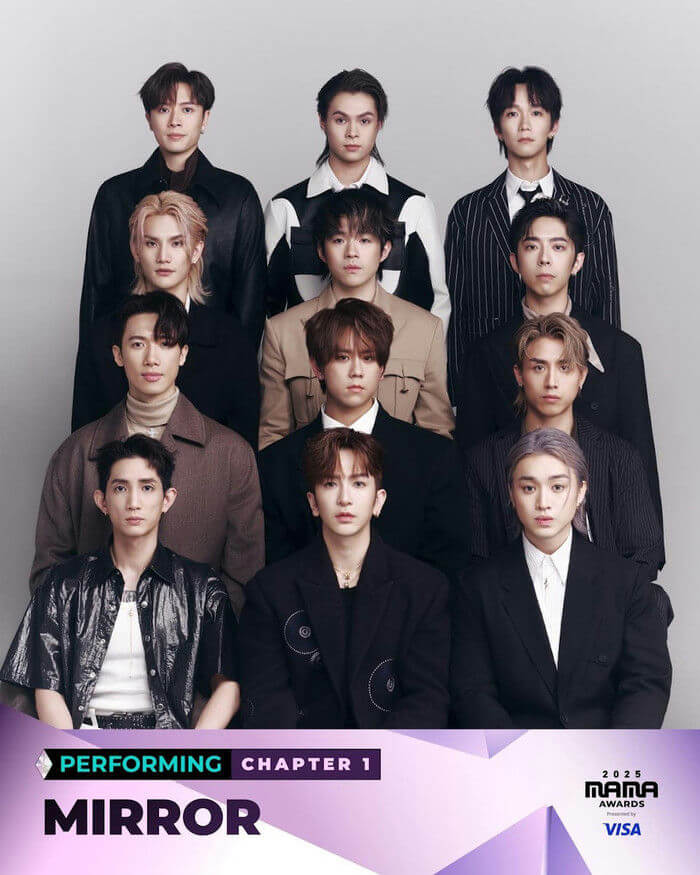
However, others defend the inclusion as a progressive move. They see it as an attempt by MAMA organizers to diversify their lineup and reflect the expanding influence of Asian pop culture beyond Korea.
Despite the ongoing debates, MAMA 2025 remains one of the most anticipated year-end music events. Its return to Hong Kong is expected to deliver a vibrant celebration of music and performance, reaffirming the global reach of K-pop across Asia and beyond.
Sources: Saostar
You must be logged in to post a comment.