
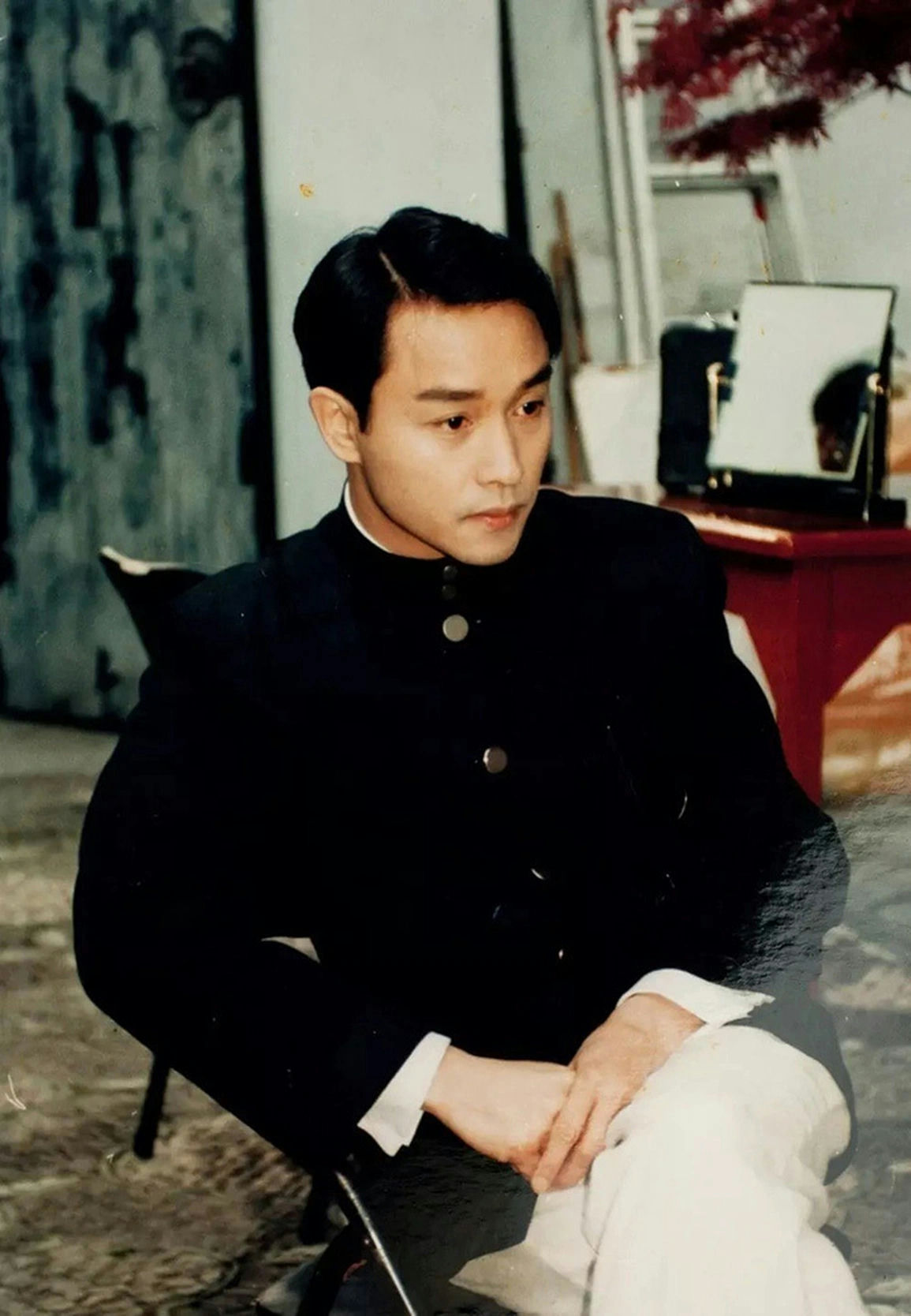
For generations of fans across Asia, Leslie Cheung remains an irreplaceable icon of music, film, and popular culture. On April 1, 2003, the beloved star tragically ended his life at age 47, leaving behind an immeasurable legacy.
Now, 22 years later, his story has resurfaced with a new revelation: a testimony from businesswoman Tiffany Chen, a close friend of the late actor-singer and wife of entertainment mogul Charles Heung.
According to Tiffany Chen, Leslie called her in the afternoon of April 1, 2003—just an hour before his death. During the conversation, he repeatedly insisted: “I am not sick.” He asked for her help in arranging a press conference to refute rumors about his alleged depression and involvement in spiritual practices.
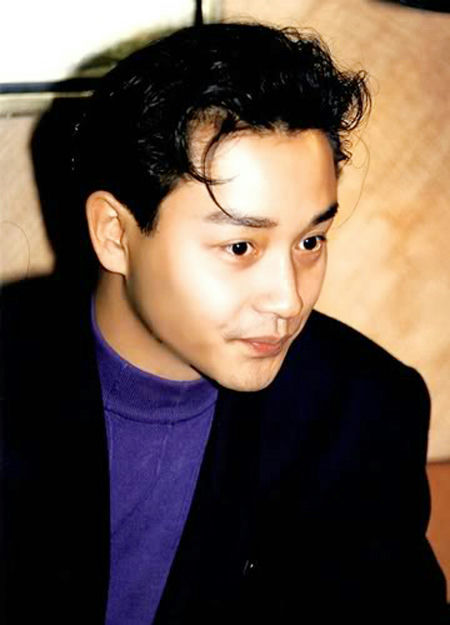
Tiffany Chen admitted that to this day, she regrets not intervening more forcefully: “If I had reacted more decisively, perhaps things would have turned out differently.”
She suggested that, given Leslie’s love for beauty and perfection, he would not have chosen such a tragic end unless “external factors” were at play. She even linked his decline to his participation in the horror film Inner Senses, claiming she once considered bringing in a spiritual master to “cleanse” the negative energy—though Leslie’s longtime partner, Daffy Tong, rejected the idea.
Her comments, however, contrast sharply with statements from Leslie’s family and inner circle.
Elder sister Ophelia Cheung, who has a background in medicine, stressed that Leslie was indeed battling clinical depression, rooted in neurological imbalances that required long-term treatment.
Manager Florence Chan added that Leslie was under immense pressure at the time, facing delays on the film Stealing Heart and relentless scrutiny from media and the public.
Mental health experts explained that Leslie’s repeated denial of illness is a common symptom among patients with severe depression, who often experience shame and refuse to acknowledge their condition.
While some fans empathized with Tiffany Chen’s grief, others questioned her narrative. Critics argued that invoking spiritual causes without evidence, more than two decades later, appeared sensational.
There is also confusion: some reports claim Leslie’s final phone call was actually made to his manager Florence Chan, not to Tiffany Chen or Daffy Tong, further muddying the story.
Still, Tiffany Chen’s revelation dominated Weibo, generating nearly 300 million reads and topping the platform’s Hot Search list.

Born in 1956, Leslie Cheung rose from humble beginnings to become one of Hong Kong’s most influential artists. In music, he helped lead the Cantopop boom of the 1980s and 1990s, with landmark albums such as Wind Blows On (1983), Summer Romance (1987), and Red (1996). His timeless hits—Monica, Chase, Silence is Golden, and Red—remain cornerstones of Asian pop music.
As an actor, Leslie transcended idol status to become a cultural trailblazer, starring in classics like Farewell My Concubine, Days of Being Wild, and Happy Together. His artistry pushed boundaries, blending music, cinema, and personal identity into a legacy that continues to inspire.
Even in tragedy, Leslie Cheung remains not just a superstar, but a symbol of courage, artistry, and vulnerability—a voice that still resonates across generations.
Sources: K14
You must be logged in to post a comment.