
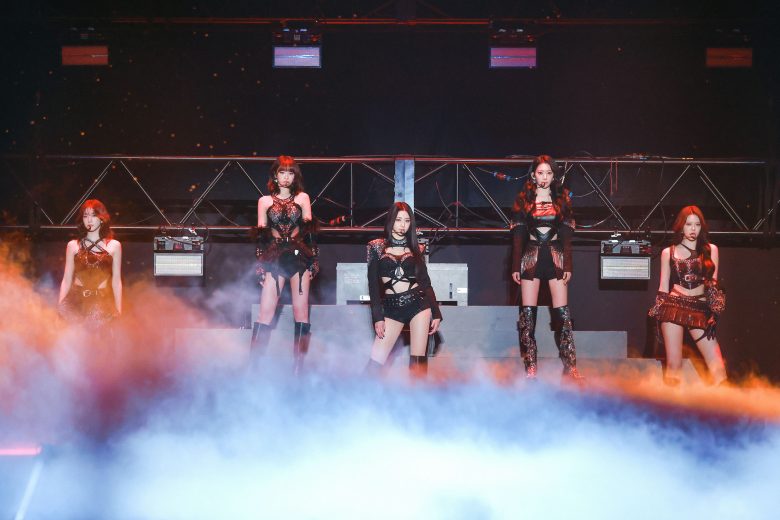
After two years of trials and public controversy, K‑pop girl group LE SSERAFIM delivered an unforgettable encore at the Tokyo Dome on November 18–19 as part of their 2025 tour EASY CRAZY HOT, drawing over 80,000 fans on weekdays and earning special editions from Japan’s top five sports papers. The massive cheers at the venue reflected the group’s rising stature.
For K‑pop idols, a solo show at the Tokyo Dome remains a dream stage — a symbol of top‑tier success that, despite global benchmarks like U.S. stadium performances, still carries enormous prestige. With this milestone achieved, many now see LE SSERAFIM as a first‑class Hallyu star.

This concert holds special meaning because the group fought intense criticism over the past two years. The turning point began at their 2024 Coachella performance, where sound issues and brief vocal instability were later isolated in edited clips online, leading to a narrative of “failure” in domestic digital communities despite generally positive live reception.
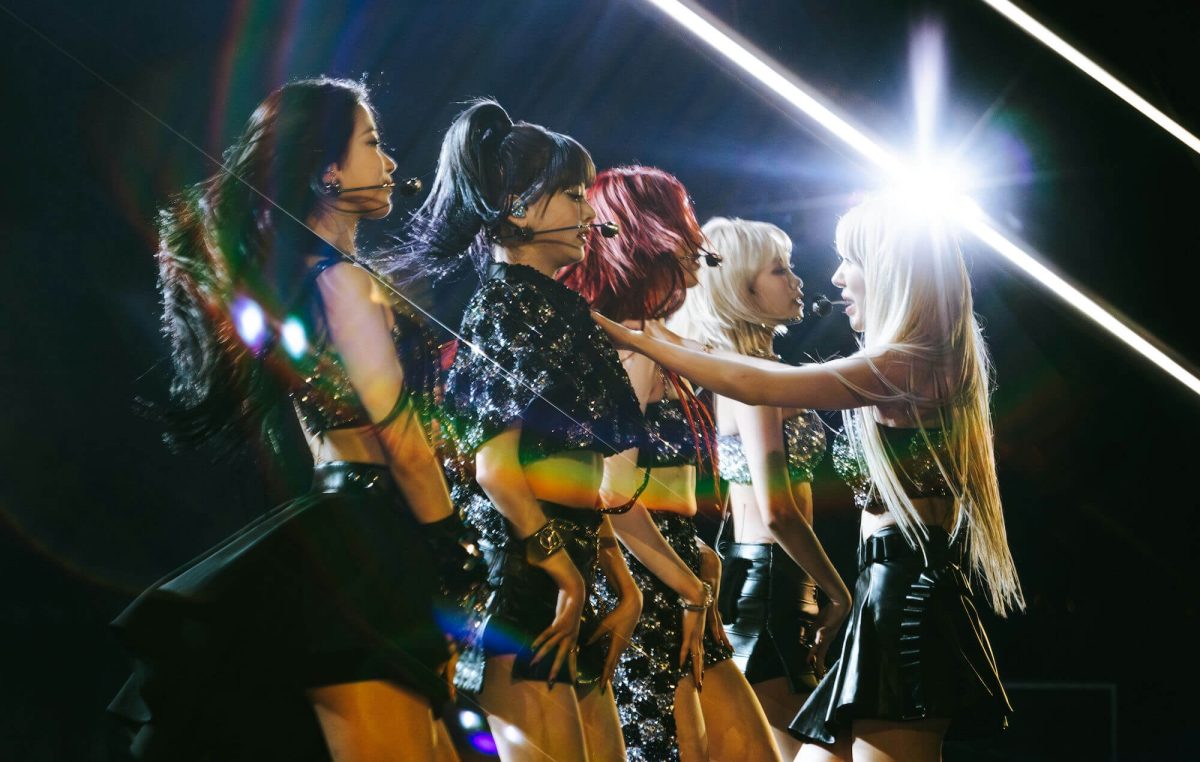
Criticism intensified following the Min Hee‑jin and NewJeans controversy, where former ADOR CEO Min Hee‑jin claimed that NewJeans was originally HYBE’s first girl group but had been pushed out by LE SSERAFIM. Comments within HYBE allegedly referring to “discarding NewJeans and reshuffling” fueled a “Cinderella vs. Stepsister” narrative, with LE SSERAFIM and ILLIT cast as villains. The backlash was swift and severe, damaging the group’s image.

That makes their comeback at the Tokyo Dome even more meaningful. The reversal began in April with a strong performance in Incheon, showcasing stable live vocals. Subsequent U.S. tour dates brought enthusiastic reactions, and on September 11, LE SSERAFIM became the first K‑pop girl group to perform on America’s Got Talent, earning applause from famously tough judges. As positive momentum grew, public perception shifted, culminating in the dramatic Tokyo Dome success.
The root of the initial backlash centered on vocal ability — a topic that has waxed and waned in K‑pop as performance‑focused acts became more common. With many American venues broadcasting unprocessed live sound, exposed flaws can quickly tie into nationalistic criticism, where both praise and criticism are amplified. In contrast to NewJeans’ positive reception from Lollapalooza audience singalongs, selective clips from LE SSERAFIM’s Coachella set fueled disproportionate negative narratives. Yet through steadfast performances on tour and on major broadcast stages, they gradually overturned public opinion.

The situation also highlighted pitfalls of “short‑form” video culture, where decontextualized clips spread rapidly and distort reality. LE SSERAFIM became a victim of this trend, and ongoing malicious short videos underscore the need for caution around such media.
Regarding the “discarded NewJeans” theory, multiple rebuttals emerged, and recent court findings clarified that the claim stemmed from internal promotional strategy rather than any intentional sidelining of NewJeans. The presiding court also found it unreasonable to assert that HYBE would strategically abandon a group like NewJeans, especially considering how contract disputes were legally and carefully handled.
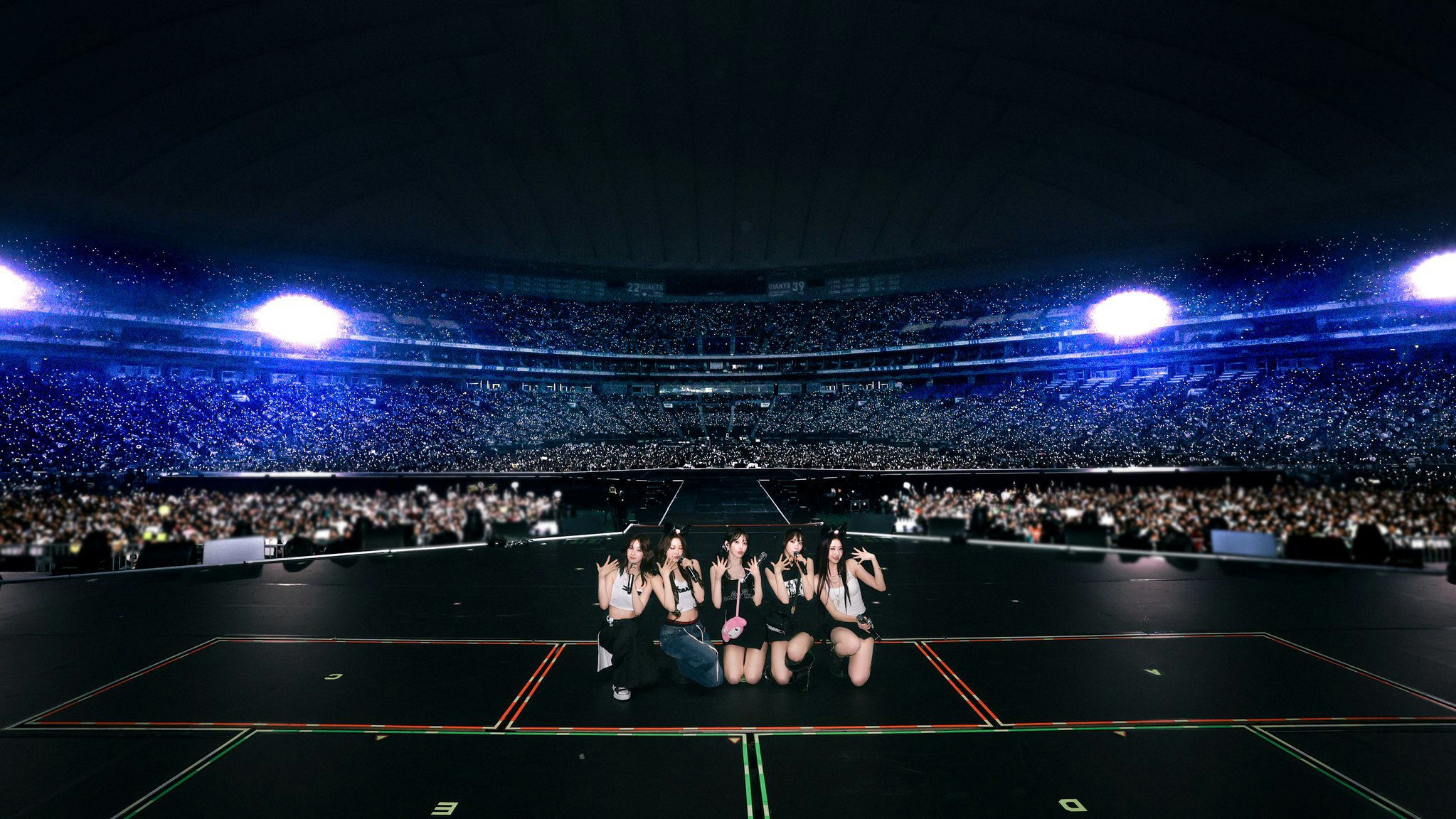
Despite misleading social narratives, LE SSERAFIM focused on their music and performances, proving their mettle. The Tokyo Dome shows featured extended sets with solid vocals and dynamic choreography, underscoring that the core of a singer’s craft lies in live performance. With more strong songs yet to be showcased, their musical foundation appears robust.
Notably, Come Over placed at No. 90 on Consequence’s “Best Songs of 2025” list — the only entry by a Korean artist — signaling international recognition and hinting that even larger U.S. stages could be within reach if their upward momentum continues.
LE SSERAFIM’s journey from controversy to triumph at one of the world’s most iconic venues stands as a testament to resilience, artistry, and the power of growth through adversity.
Sources: Daum
You must be logged in to post a comment.