
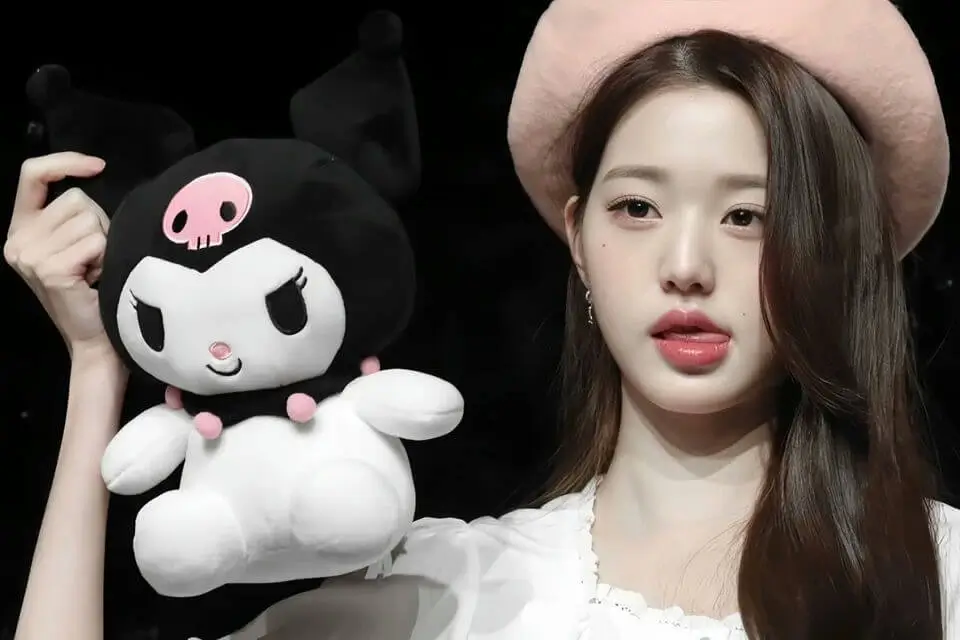
After years of dominating the global art toy craze, Labubu—the quirky creature created by artist Kasing Lung—may soon face serious competition.
Recent reports reveal that Pop Mart founder Wang Ning’s net worth dropped nearly $6 billion in less than a month, signaling Labubu’s slowing heat. Still, the character has already left an indelible mark, appearing everywhere from Birkin bags to luxury collaborations with French maison Moynat, and driving resale prices sky-high.
Yet as demand cools, a new wave of plush toy brands is on the rise. According to Jing Daily, these five brands are positioning themselves to capture Gen Z’s imagination and potentially dethrone Labubu in 2025.
1. Monchhichi
A nostalgic icon, Monchhichi was first launched in 1974 by Japan’s Sekiguchi and skyrocketed to global fame in the 1980s with the backing of Mattel and Hanna-Barbera’s Monchhichis cartoon.
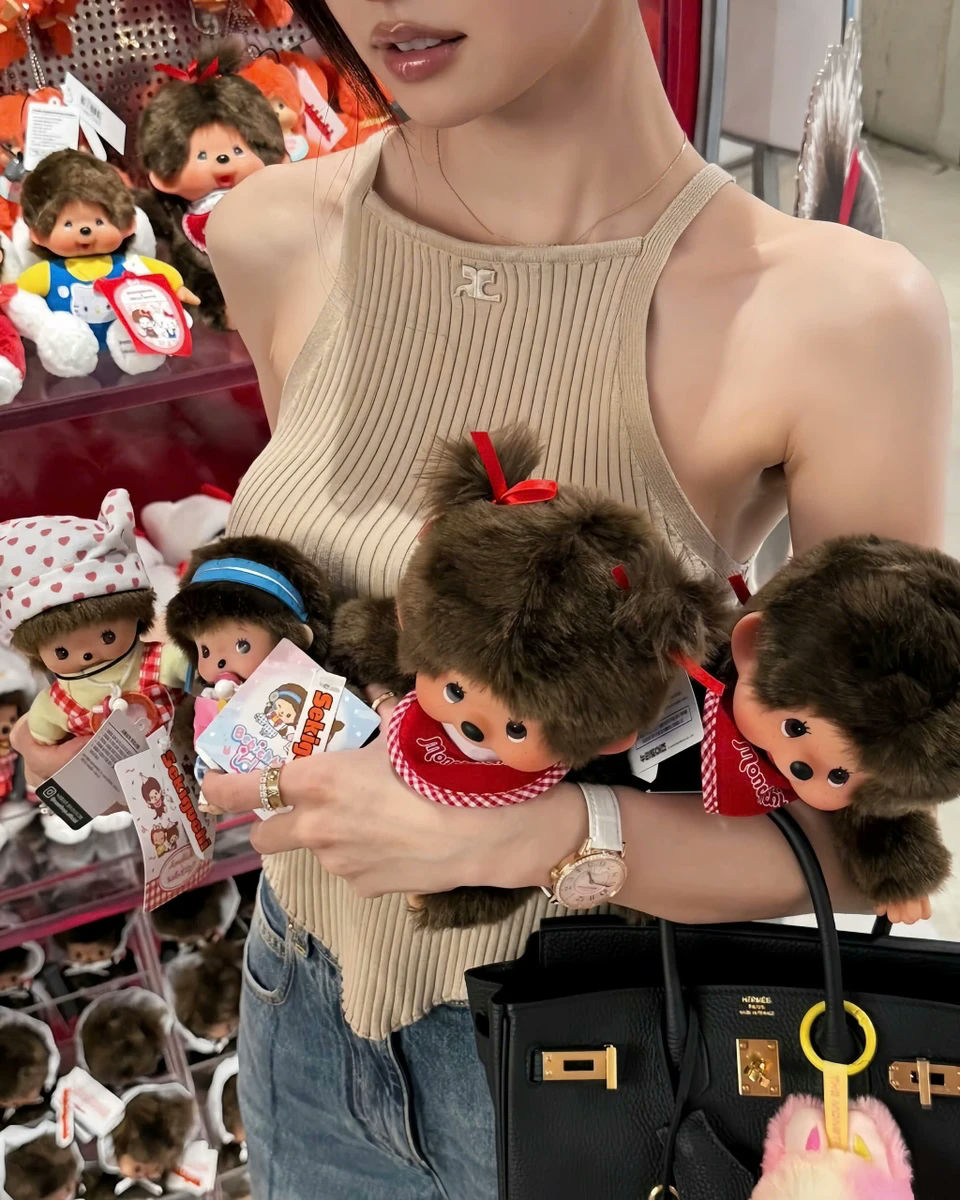
Now, the retro plush has returned as a must-have Gen Z accessory. From Urban Outfitters shelves to celebrity fans like BLACKPINK’s Lisa and influencer Song Ji-ah, Monchhichi is trending again. On TikTok, the hashtag #monchichi appears in 17,900 posts, while on Xiaohongshu it has racked up 47.3 million views.
2. Noodoll
Founded in 2010 by Taiwanese artist Yiying Wang while studying at Central Saint Martins in London, Noodoll transforms doodles inspired by noodles and rice into adorable plush characters.

Recently featured at France’s prestigious Maison&Objet design fair, Noodoll has built a cult following with its playful yet chic designs. Its Instagram has 103,000 followers, and the hashtag #noodoll has reached 241,900 views on Xiaohongshu.
3. Kuromi
Originally introduced in 2005 in the anime Onegai My Melody, Kuromi was meant as a mischievous rival to Sanrio’s My Melody. Instead, her charm and cheekiness made her a global sensation—and even spawned an entire fashion subculture.

Now a collaboration powerhouse, Kuromi has partnered with Honda, Razer, and Puma. Plush charms of Kuromi are expected to become the “next Labubu.” On Xiaohongshu, #kuromi has 4.5 million views, while TikTok boasts a staggering 82.7 million posts mentioning her.
4. Monamhee (MNH)
Founded in 2011 by Namhee Mo, Monamhee evolved from a small convenience shop into a lifestyle brand under Line Friends. Known for its witty and whimsical style, the brand has gained major traction through collaborations—including a hot-selling plush keychain drop with G-Dragon’s Peaceminusone.

Monamhee currently has 116,000 Instagram followers. On Xiaohongshu, #monamhee counts 474,000 videos, while #linefriends has an incredible 174.2 million tags.
5. Fufu Souls
A newcomer to the scene, Fufu Souls was founded in 2024 and inspired by the furry “Fufu monster.” What sets the brand apart is its innovation: combining fragrance with plush charms, turning them into collectible scented keychains.
Said to be inspired by a 7-year-old named Miko, the Chinese brand has collaborated with Zeekr and Tmall, and even hosted a high-profile tea party at Pullman Hotel Guangzhou. On Xiaohongshu, #fufusoul has 6.2 million views, with 11,300 followers on Instagram.
While Labubu sparked the “cute but quirky” art toy boom, these new players are rewriting the rules. With Gen Z driving demand for playful yet stylish accessories, plush charms are quickly becoming the next luxury fashion must-have—affordable alternatives to high-end handbags yet carrying the same cultural cachet.
From retro revivals like Monchhichi to design-forward newcomers like Fufu Souls, the plush race is on. The big question now: Who will claim Labubu’s throne?
Sources: Znews
You must be logged in to post a comment.