
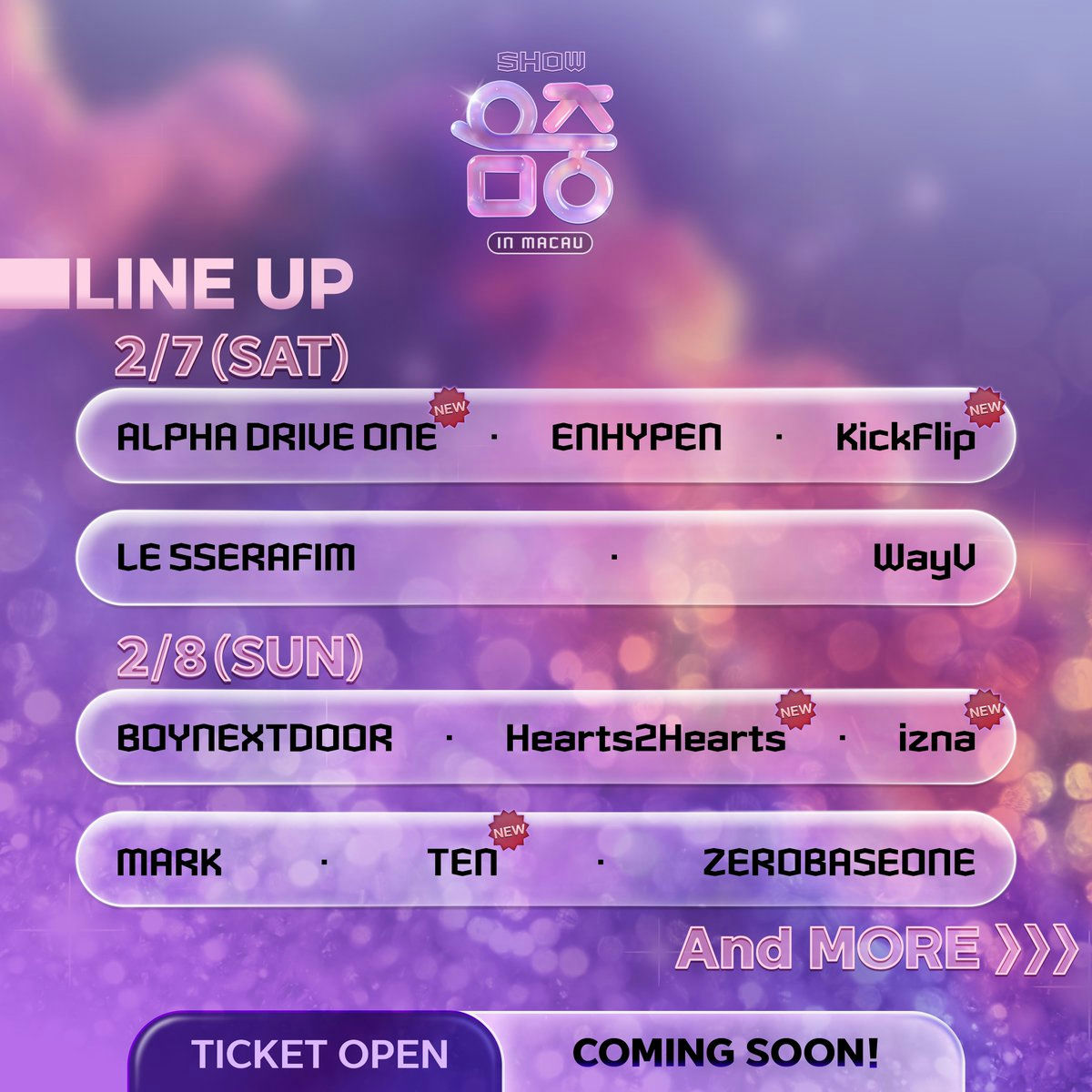
MBC is set to host “Show! Music Core in Macau” on February 7–8, with an impressive lineup that includes ALPHA DRIVE ONE, ENHYPEN, KICKFLIP, LE SSERAFIM, WayV, BOYNEXTDOOR, Hearts2Hearts, IZNA, MARK, TEN, ZEROBASEONE, and more. A third lineup announcement is also expected, raising anticipation among global fans.
However, behind the scenes, the atmosphere surrounding the event has grown tense. Industry sources report that Japanese members of participating K‑pop groups are facing difficulties obtaining visas, making their appearance in Macau uncertain or impossible. As a result, some groups with a high proportion of Japanese members have withdrawn entirely, while others are proceeding without those members after internal discussions.
This situation is widely believed to stem from China’s tightening stance toward Japan, often referred to as the “Japan restriction order.” The diplomatic strain intensified late last year following remarks by Japanese politician Sanae Takaichi regarding a potential Taiwan conflict, which significantly worsened bilateral relations. Since then, China has reportedly increased pressure on Japan across multiple sectors, including culture and entertainment.
The impact has already been felt. In November, Japanese boy group JO1 had its China-related events abruptly canceled, while singer‑songwriter Kokia’s concert was called off. Japanese films such as Cells at Work! and Crayon Shin-chan the Movie: Super Hot! The Spicy Kasukabe Dancers also saw their Chinese releases postponed. Even top star Ayumi Hamasaki had concerts in Shanghai and Macau canceled between late 2025 and early 2026, signaling a clear tightening of restrictions.
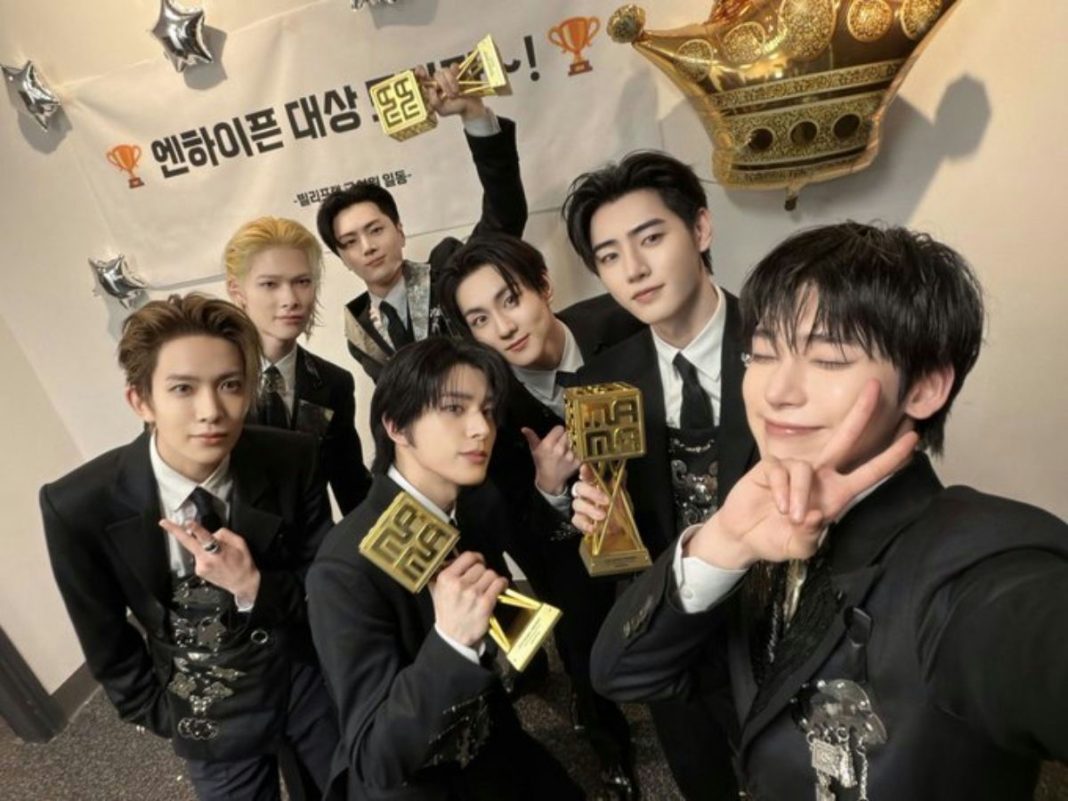

Now, K‑pop has been caught in the crossfire. While performances by Korean idol groups themselves remain technically possible, the participation of Japanese members has become increasingly restricted, forcing last‑minute lineup changes. With the Macau concert just two weeks away, organizers are reportedly scrambling to restructure the lineup.
An industry insider commented, “With only about two weeks left before the show, agencies and broadcasters are urgently coordinating changes. Everyone is under pressure because there’s very little time,” adding that “the ripple effects of the Japan restriction policy are likely to continue affecting K‑pop concerts going forward.”
As geopolitical tensions continue to shape cultural exchange in Asia, the situation raises growing concerns about how international K‑pop activities may be affected in the months ahead.
Sources: Daum
You must be logged in to post a comment.