

According to The Korea Times, while K-pop continues to capture a massive global audience and produce record-breaking international tours, structural changes within the domestic market post-COVID-19 are reshaping the landscape. Although not yet labeled a “crisis,” local experts acknowledge a shifting tide within Korea.
Album sales, one of the clearest indicators of industry health, highlight this contrast starkly. Following a strong upward trajectory since 2014, K-pop album sales surpassed 100 million units in 2023. However, post-pandemic market adjustments have brought sales to their lowest levels in a decade. As of October 2025, only 80 million albums have been sold, with year-end projections remaining flat or lower than last year’s figures.

Physical album exports are also losing momentum. Data from Korea Customs Service revealed that exports from January to October reached $243.8 million, down 2.7% year-over-year. Japan, the largest overseas market for K-pop albums, saw a 10.8% drop to $70.7 million, while the U.S. experienced a 5.1% decline.
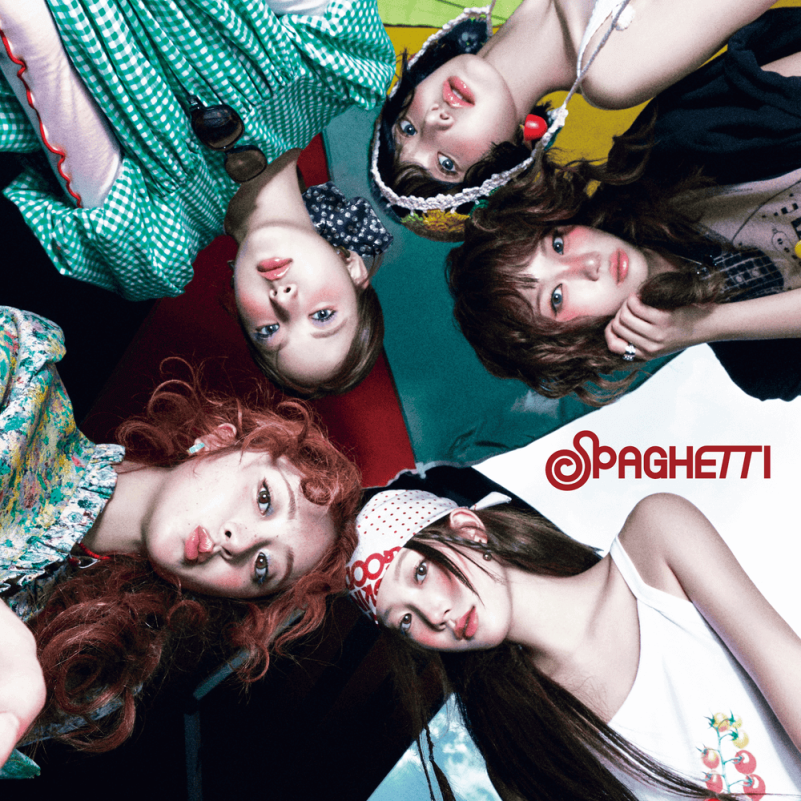
Digital music performance is weakening too. During the week of November 9–15, only four K-pop songs NMIXX’s “Blue Valentine”, LE SSERAFIM’s “Spaghetti”, Hwasa’s “Good Goodbye”, and BLACKPINK’s “JUMP” entered the top 10 of Korea’s Circle Chart. This is a stark contrast to the dominance once held by girl groups like NewJeans, aespa, and IVE.

Critics also noted a slowdown in new song releases entering top streaming rankings. Data journalist Kim Jin-woo observed, “Streaming data for new tracks indicates sluggish short-term momentum and a gradual decline in new release activity over the long term.”
Meanwhile, global concert revenues are soaring, yet so are production costs. HYBE’s Q3 concert revenue nearly tripled compared to 2024, but the company still reported an operating loss of 42.2 billion KRW (approximately $31 million). Investment in rookie groups is rising, but it’s also eroding profit margins.

Mid-sized companies once hailed as industry miracles are increasingly struggling. With the shift toward large-scale marketing and international touring, smaller agencies face steeper challenges. One such company stated, “Overall costs are rising, but album and digital sales are dropping sharply. Even international concert revenue has its limits. Companies without enough capital are at greater risk.”
As a result, groups like Purple Kiss, Weeekly, and Everglow disbanded or halted activities this year, while H1-KEY, known for their hit Rose Blossom, changed agencies.


Critics say the rapid expansion has made the industry less agile. Music critic Lim Hee-yoon commented, “With rising production and marketing costs, smaller companies are squeezed out. As artists focus more on overseas markets, the domestic fanbase becomes stagnant.”
Pop culture critic Kim Do-heon added, “As the industry matures, its systems become more rigid. Rather than repeating old formulas, agencies need to embrace even the smallest changes to adapt and survive.”
The booming global success of K-pop may continue, but its domestic core now faces a pivotal moment one that demands innovation, flexibility, and a re-evaluation of priorities to keep the genre thriving at home as well as abroad.
Sources: kenh14
You must be logged in to post a comment.