

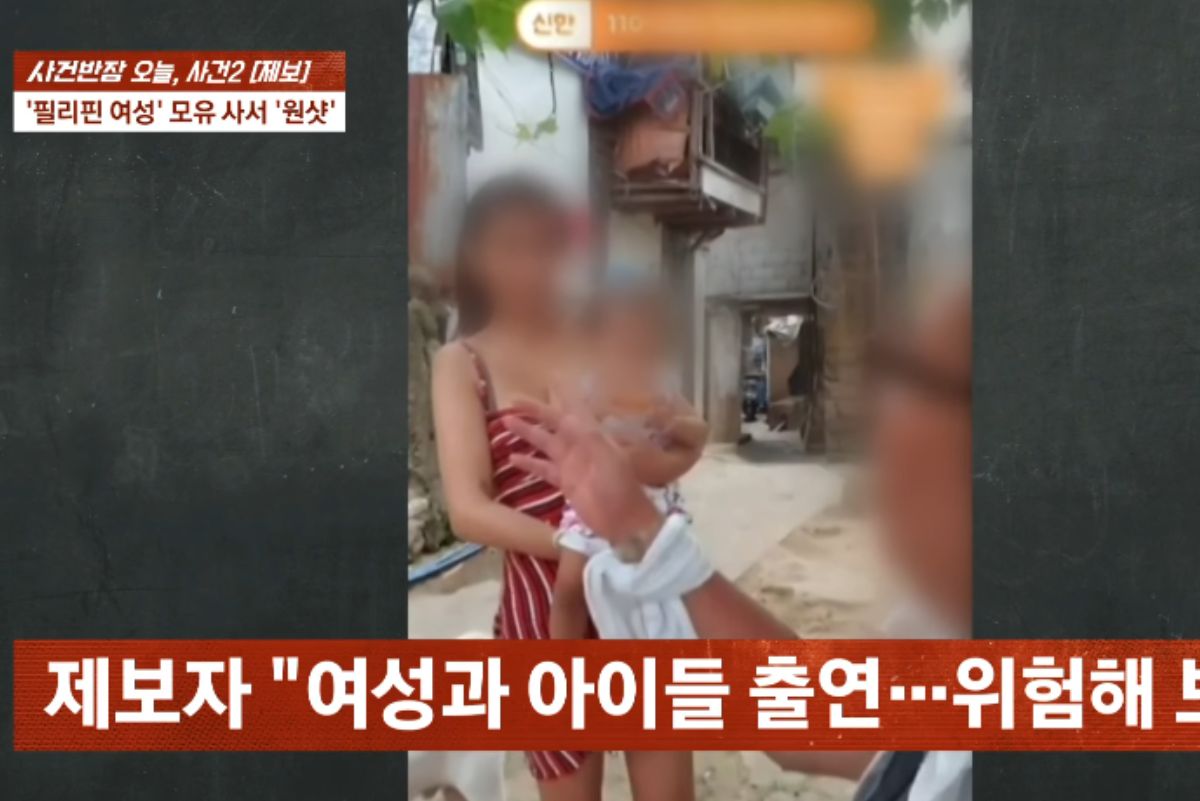
A Korean YouTuber living in the Philippines is facing intense criticism after uploading videos in which he buys and drinks breast milk from local Filipino women. The issue was first reported by JTBC’s “Crime Chief” program on May 9.
According to the broadcast, the YouTuber, who identifies himself as an “8-year broadcasting veteran,” produces a variety of content in the Philippines, including daily life vlogs, food mukbangs, and travel videos. However, it is his breast milk content that has caused outrage.
In the videos, he approaches mothers on the street, offering money in exchange for their breast milk. He is seen drinking it on camera while making remarks like “It’s fresh” and “It tastes good.” He typically pays 500 pesos (about 12,000 KRW or ~$9 USD) and, in some instances, is shown handing the money directly to babies being held by their mothers.
The channel also features other controversial videos involving young girls in mukbangs and drinking sessions with local women. These clips have sparked a backlash among the Korean community in the Philippines, with some users in online forums expressing shock and concern. “Some viewers are even flying to the Philippines to try it themselves after watching those videos,” one user noted. “It’s shameless.”
One informant told JTBC, “In a country with such a big economic gap, there are many YouTubers luring people with small amounts of money to create sexually suggestive content or worse. This YouTuber’s content feels dangerously close to that line.”
In response to the controversy, the YouTuber claimed he was helping women who couldn’t afford formula milk. “I ask for their consent and offer to help in exchange for filming. The locals love it—I’m like Santa Claus or a generous uncle to them,” he stated.
Regarding accusations of sexual undertones, he dismissed them, saying, “I’m just physically weak and drink breast milk for health reasons. It’s just a cultural misunderstanding.”
Critics, however, aren’t buying it. “Even when people point out the problem in the comments, he just replies with ‘Thank you,’” the informant added. “We need to restrict this kind of content to protect the image of Koreans abroad.”
Legal experts note that while consent is a factor, exploiting poverty for shock content may violate ethical standards and even local laws regarding decency and child welfare. As public outrage mounts, pressure is growing on YouTube to review the channel for potential violations of its content policies.
You must be logged in to post a comment.