

A wave of controversy is sweeping the Korean entertainment industry after several high-profile celebrities, including Kang Dong-won and CL, received prosecution suspension rulings over allegations of operating unregistered one-person agencies.
According to reports, multiple prosecutors’ offices—including those in Uijeongbu and Seoul—decided not to indict individuals involved, despite acknowledging violations of the law. Among those affected are agencies linked to Kang Dong-won, CL, musical actress Ok Joo-hyun, and singer Song Ga-in.
Prosecution suspension means that while the offense is recognized, the case is not pursued in court due to mitigating circumstances. In this case, many point to the role of the Ministry of Culture, Sports and Tourism as a key factor behind the decision.



The issue stems from the legal requirement, enforced since 2014, that entertainment management businesses must be officially registered. However, after media reports in 2025 revealed that several celebrity-run one-person agencies had failed to comply, the ministry introduced a grace period extending until the end of 2025.
“This effectively made it difficult to treat the violations as intentional,” industry insiders suggest, as the authorities themselves acknowledged shortcomings in promoting and enforcing the regulation.
Criticism has quickly followed, with many accusing the ministry of offering a “de facto pardon.” Observers argue that the delayed response and lack of clear guidance over nearly a decade contributed to widespread confusion within the industry.
“It’s not just about intentional wrongdoing—many cases stem from misunderstanding the difference between corporate registration and management licensing,” one industry executive explained, pointing to systemic issues rather than individual misconduct.
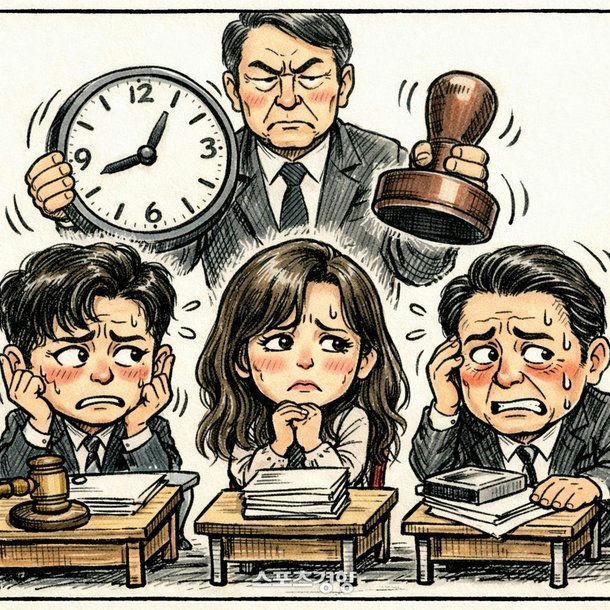
However, the controversy deepens when compared to past cases. Some smaller agencies and individuals previously faced heavy fines for similar violations, raising concerns over fairness and consistency in enforcement.
Legal representatives for those involved have emphasized the absence of intent. In some cases, they argue, the failure to register was simply an administrative oversight rather than a deliberate attempt to bypass the law.
As debates intensify, the case highlights broader structural issues within Korea’s entertainment industry—where rapid changes, evolving business models, and regulatory gaps can create gray areas with significant consequences.
While the immediate legal outcomes may have spared those involved from harsher penalties, the public backlash suggests that questions of accountability and fairness are far from resolved.
Sources: 네이트 뉴스
You must be logged in to post a comment.