
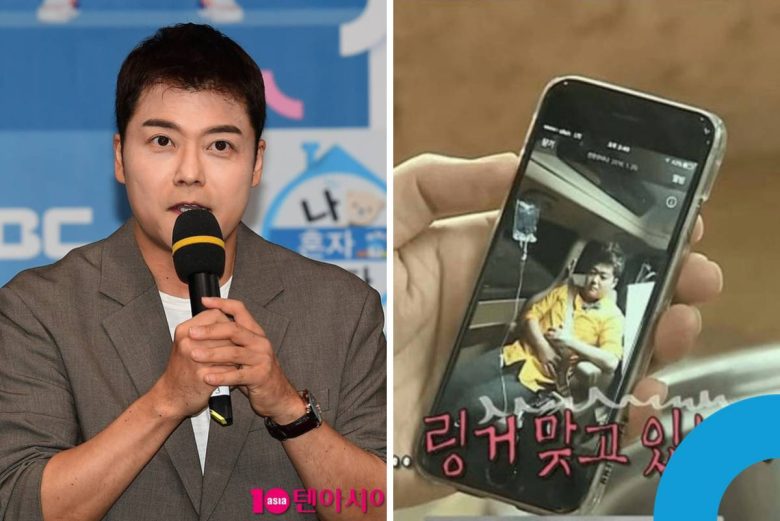
On December 19, SM C&C, the agency representing South Korean television personality Jun Hyun Moo, issued an official statement in response to a resurfaced image showing him receiving an IV drip in a moving vehicle, which recently went viral on online communities.
The agency clarified that the image in question was taken from a 2016 broadcast of the reality show “I Live Alone.” They explained, “At the time, Jun Hyun Moo was experiencing issues with his throat and received treatment following a diagnosis and prescription by his attending physician.”
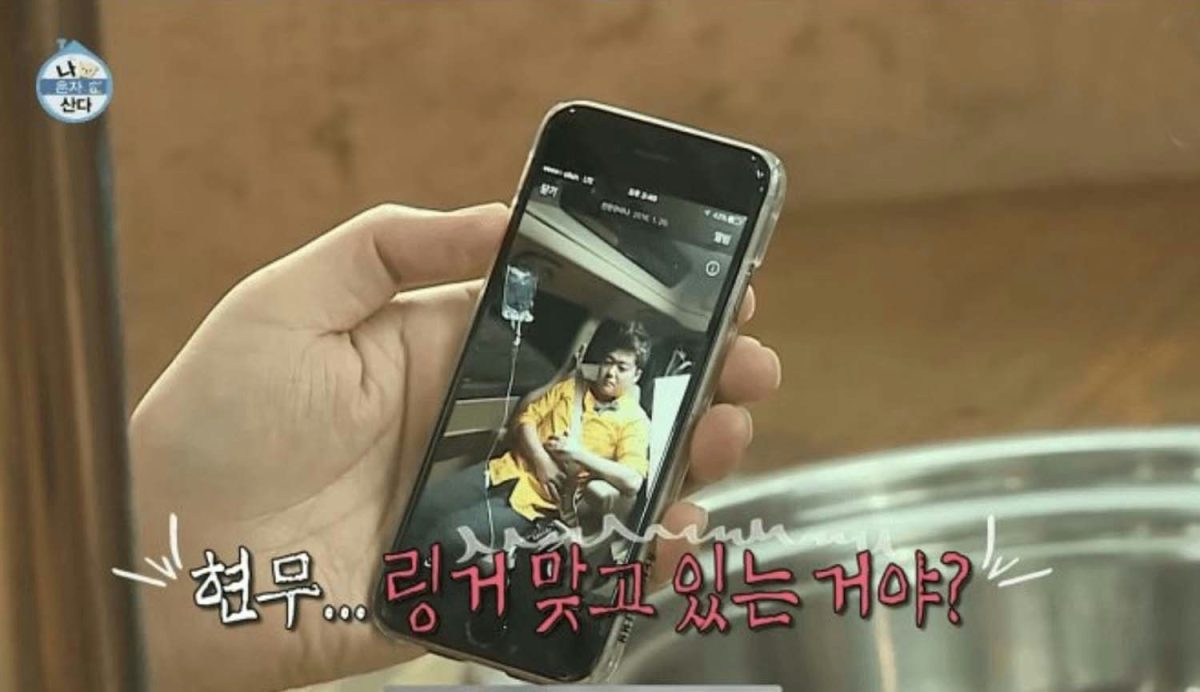
Due to tight filming schedules, the IV drip was administered during transit with the approval and oversight of his doctor. “The scene aired on the program captured only the latter part of the treatment,” the agency emphasized, adding that “all medical procedures except for the final part were conducted inside a licensed medical facility in accordance with professional medical judgment.”
The agency further stressed that Jun did not receive any illegal medical treatment, nor was any unlicensed practitioner privately summoned. “The current misunderstanding stems from the absence of full context. Only a brief scene from the broadcast has been circulated online, leading to unnecessary speculation,” they stated. “We urge the public to refrain from spreading unfounded assumptions or distorted interpretations.”
However, SM C&C did not directly address the legality of receiving an IV in a non-medical setting, which remains a point of concern under South Korea’s Medical Service Act. According to the law, all medical procedures must take place within officially registered and approved medical institutions such as hospitals, clinics, or nursing homes.

While the vehicle in which Jun received the IV was his personal car—not a registered medical facility—some experts suggest this could technically breach the law. Even if the treatment was administered by a licensed doctor, the mobile setting falls outside the bounds of approved medical locations.
Under South Korean law, exceptions to this regulation only include emergency cases in ambulances, or temporary medical facilities set up during disasters or large-scale public events with government authorization.
The controversy highlights a broader discussion around the portrayal of celebrity healthcare practices on reality television and the legal boundaries of mobile medical services.
Sources: wikitree
You must be logged in to post a comment.