
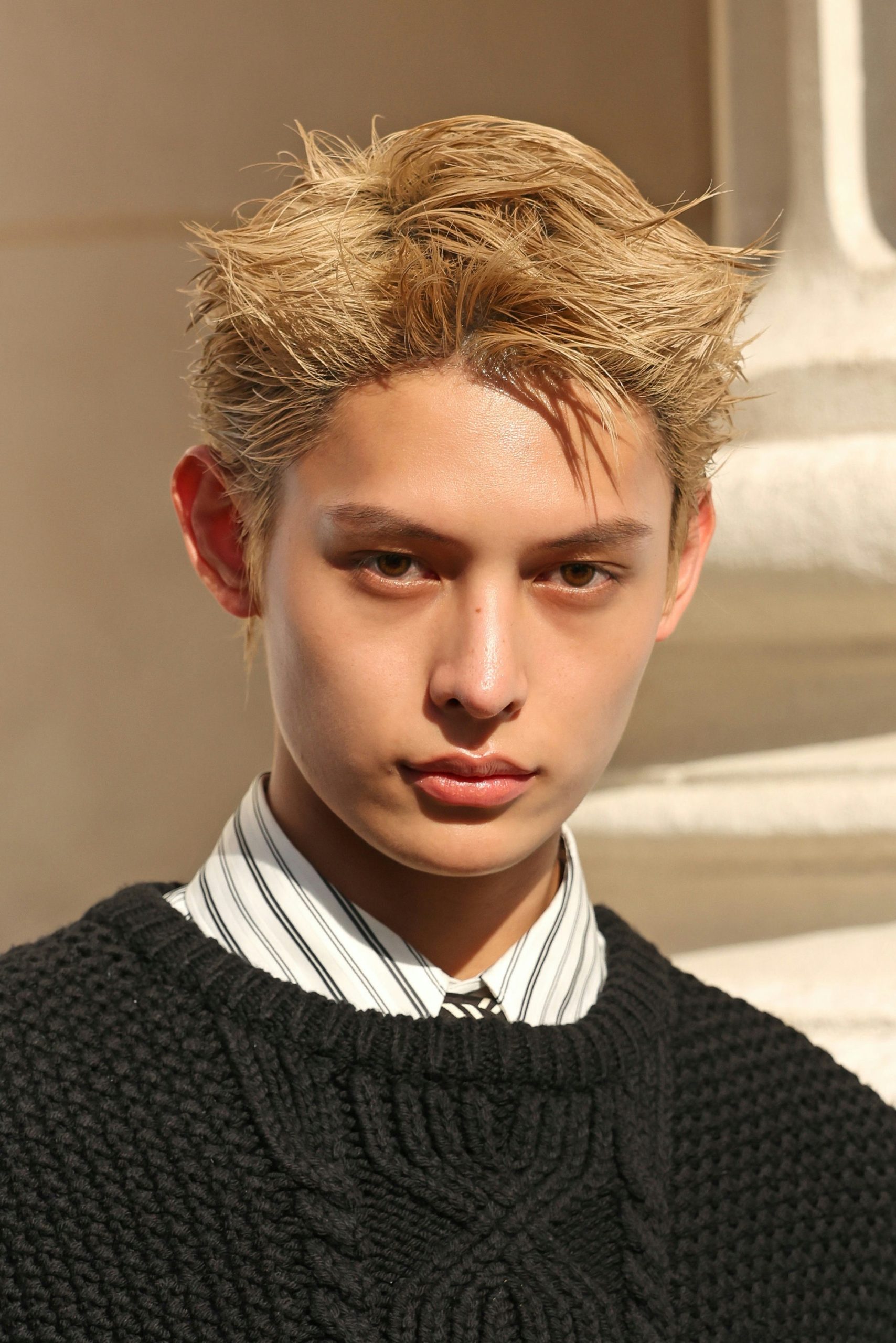
HYBE idol James, a member of BIGHIT MUSIC’s boy group CORTIS, has come under intense online scrutiny after videos he shared on social media sparked accusations that he was imitating and mocking a Black female content creator.

The controversy began after an X (formerly Twitter) user highlighted two TikTok videos in which James recreated clips originally posted by LaNia the Artist, a creator who gained widespread attention this year for her upbeat videos documenting her experiences in Paris, France.
In James’ videos, he used the original audio from LaNia’s clips while reenacting the scenes in his own style. However, some viewers focused on his exaggerated hand gestures and facial expressions, arguing that his portrayal went beyond simply following a viral trend.
The X post criticizing the videos quickly gained traction, amassing nearly five million views and igniting heated debate across social media.
Many critics argued that James’ performance resembled stereotypical portrayals of Black women, with some describing it as an example of anti-Black microaggressions and the caricaturing of Black femininity. Others added that dismissing the criticism by saying he was merely being expressive or ‘acting gay’ overlooked broader conversations about how some non-Black queer individuals adopt the mannerisms, speech patterns, and cultural expressions of Black women without acknowledging their origins.
At the same time, many fans defended the idol, insisting there was no evidence that James intended to mock or insult anyone. Supporters argued that he was simply participating in a popular TikTok trend and has long been known for his expressive personality and animated body language.
Others took a more balanced view, suggesting that while the criticism could serve as an opportunity for James to better understand cultural sensitivities, it should not automatically be interpreted as proof of malicious intent. As discussions continue online, the incident has once again highlighted ongoing debates surrounding cultural appropriation, representation, and the responsibilities of public figures when engaging with viral social media content.
Sources: Koreaboo
You must be logged in to post a comment.