
The Global Hallyu Survey 2025 has painted a seemingly optimistic picture of Korean cultural influence worldwide. Nearly 70% of international audiences still express positive sentiment toward Korean content, a figure that confirms Hallyu’s continued global relevance. However, a deeper look into the data reveals a more complicated reality—one that raises concerns about stagnation beneath the surface.
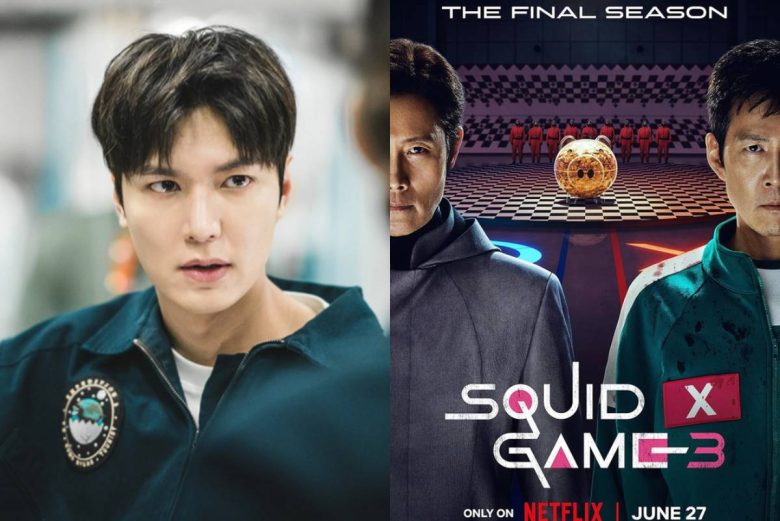
At the center of this paradox are two enduring symbols: Lee Min Ho and Squid Game. Lee Min Ho has held the title of most beloved Hallyu actor for 13 consecutive years, while Squid Game, released in 2021, continues to rank as the most popular Korean drama globally even after five years. These achievements are undeniably impressive, but they also highlight a lack of generational turnover and fresh cultural icons.


The issue is not declining popularity, but the absence of growth. Positive sentiment has plateaued over the past five years, even dropping from over 77% in 2021. Meanwhile, negative perceptions have risen to more than 37%, signaling a subtle but significant shift in audience attitudes. Hallyu remains widely consumed, but it is no longer expanding at the same pace—or with the same excitement.
This stagnation becomes clearer when examining the industry’s recent output. While Squid Game once revolutionized global perceptions of Korean dramas, subsequent high-profile releases such as Hellbound, The Glory, and The 8 Show have achieved strong viewership without reaching the same level of cultural impact. Similarly, in film, Parasite by Bong Joon Ho remains a historic benchmark years after its Oscar triumph, with no equivalent breakthrough since.
The data suggests that Hallyu is no longer in a phase of explosive innovation, but rather one of maintenance. Its biggest successes continue to define the industry long after their peak, creating what some analysts describe as a “comfort zone” that limits risk-taking and originality.
Another contradiction lies in audience behavior. Global viewers are spending more time and money on Korean content than ever before—averaging nearly 15 hours per month and over $16 in spending. Yet this increased consumption is not matched by emotional engagement. The rise in negative sentiment indicates growing fatigue, as audiences encounter repetitive storytelling and familiar tropes.
Recurring themes such as revenge-driven narratives, melodramatic romances, and survival game formats have become increasingly common. While these formulas once drove success, their overuse now risks diminishing novelty. In the post-Squid Game era, survival-themed dramas in particular have struggled to differentiate themselves, often drawing comparisons rather than acclaim.
The rapid expansion of global streaming platforms has further intensified competition. International audiences now have unprecedented access to diverse content from Hollywood, China, and local industries. In this environment, novelty becomes a key currency—and without it, even dominant players like Korean dramas can lose their edge.

Despite these challenges, Hallyu is far from declining. It remains one of the most influential cultural forces in the world. However, its current stability may be masking an underlying vulnerability: the risk of becoming predictable. The continued dominance of Lee Min Ho and Squid Game symbolizes both success and limitation—a form of “toxic glory” where past achievements overshadow future possibilities.
Ultimately, the question facing the Korean entertainment industry is no longer how to maintain its audience, but how to reignite their anticipation. Because in a landscape driven by constant change, the greatest threat is not failure—it is the inability to surprise.
Sources: kenh14
You must be logged in to post a comment.