
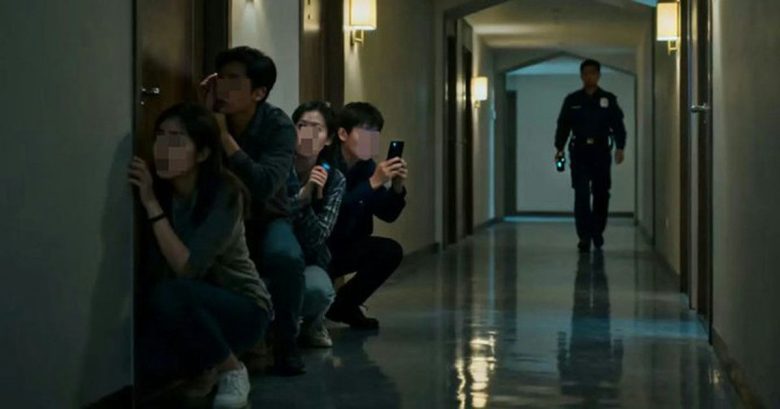
Extreme fan behavior is becoming an alarming issue in the entertainment industry, as admiration for celebrities increasingly crosses into dangerous territory. Not long ago, an artist attending a fashion week event was left shocked after discovering a tracking device secretly attached to their car, allowing an obsessive fan to monitor every movement in real time. The incident quickly sparked concern online, highlighting how invasive and calculated such actions have become.
In recent years, many celebrities have openly spoken out about the growing harassment they face. From constant phone calls and stalking to偷拍 (secret photography) and leaking private schedules, the situation has escalated beyond control. Some individuals even go as far as sneaking into restricted areas or interfering with artists’ personal lives, treating these actions as achievements to showcase on social media.
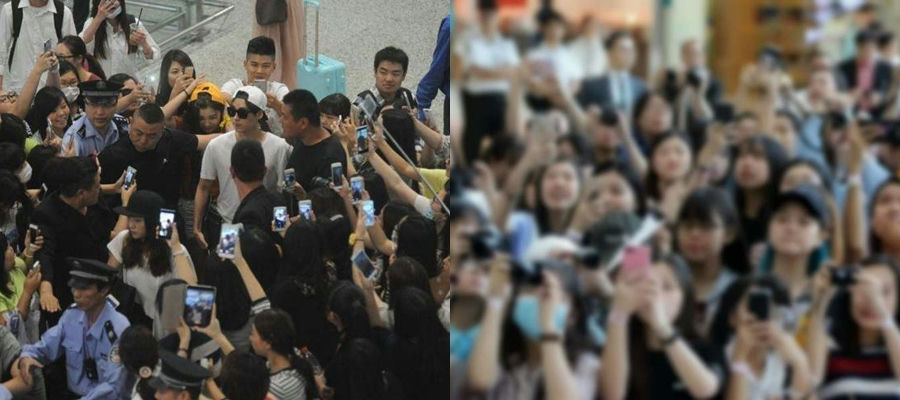
According to veteran manager Lu, these incidents are not isolated. “Obsessive fans often take advantage of moments when artists are working outside or filming shows. They secretly attach tracking devices under cars, near windshield gaps, or other hidden spots. We encounter these situations every one to two months,” he shared with Sohu. Despite frequent discoveries, identifying those responsible remains difficult, leaving management teams struggling to respond effectively.
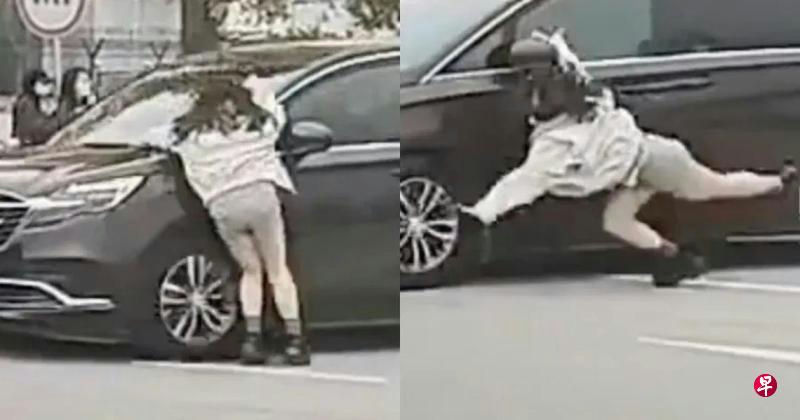
Even with heightened security measures such as booking entire hotel floors, assigning 24/7 bodyguards, and controlling access points, the risks persist. There have been cases where intruders managed to enter private rooms, rummage through personal belongings, and steal items. In some shocking instances, artists later discovered their missing possessions being sold online. “Sometimes artists think they’ve lost something, only to later see those items appear on social media marketplaces. It’s truly terrifying,” Lu added.
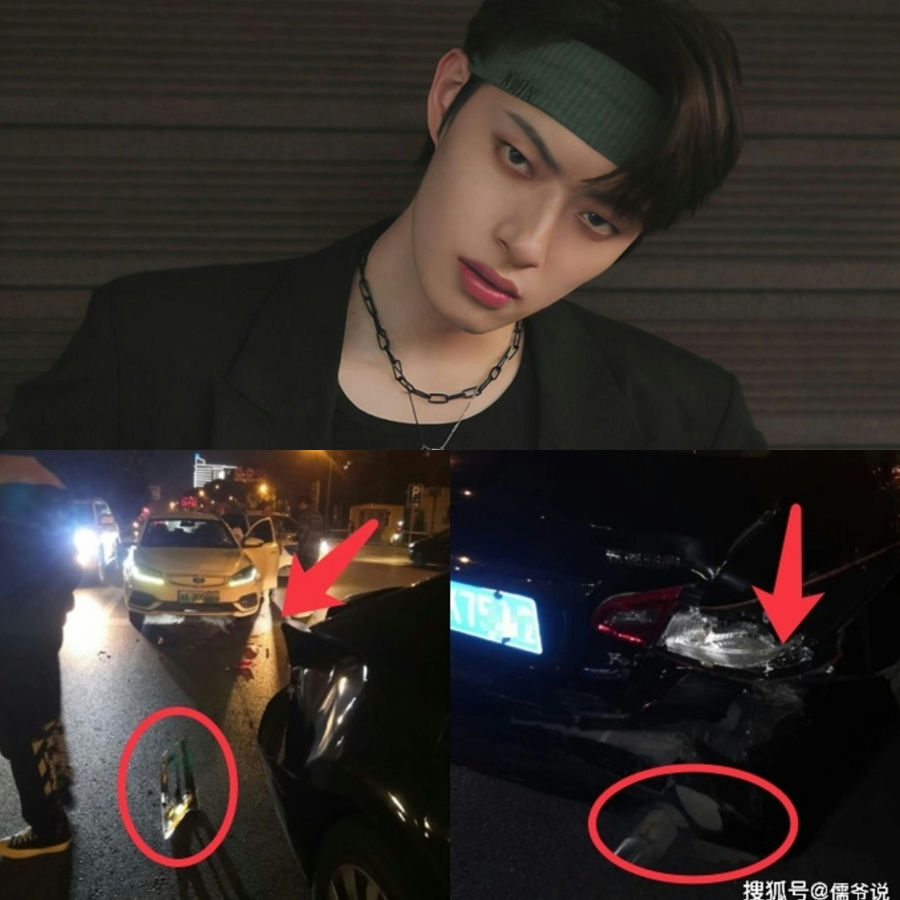
The consequences of extreme fan behavior can also turn dangerous. Reports of fans chasing celebrity vehicles have led to traffic accidents, while others go as far as staking out artists’ homes or even searching through trash to uncover details about their private lives. These actions not only invade privacy but also pose serious safety risks.
What makes the situation more concerning is that many of these obsessive fans are very young. Without a clear understanding of personal boundaries or legal consequences, they often believe their actions are expressions of love and loyalty. This misunderstanding allows harmful behavior to escalate unchecked.
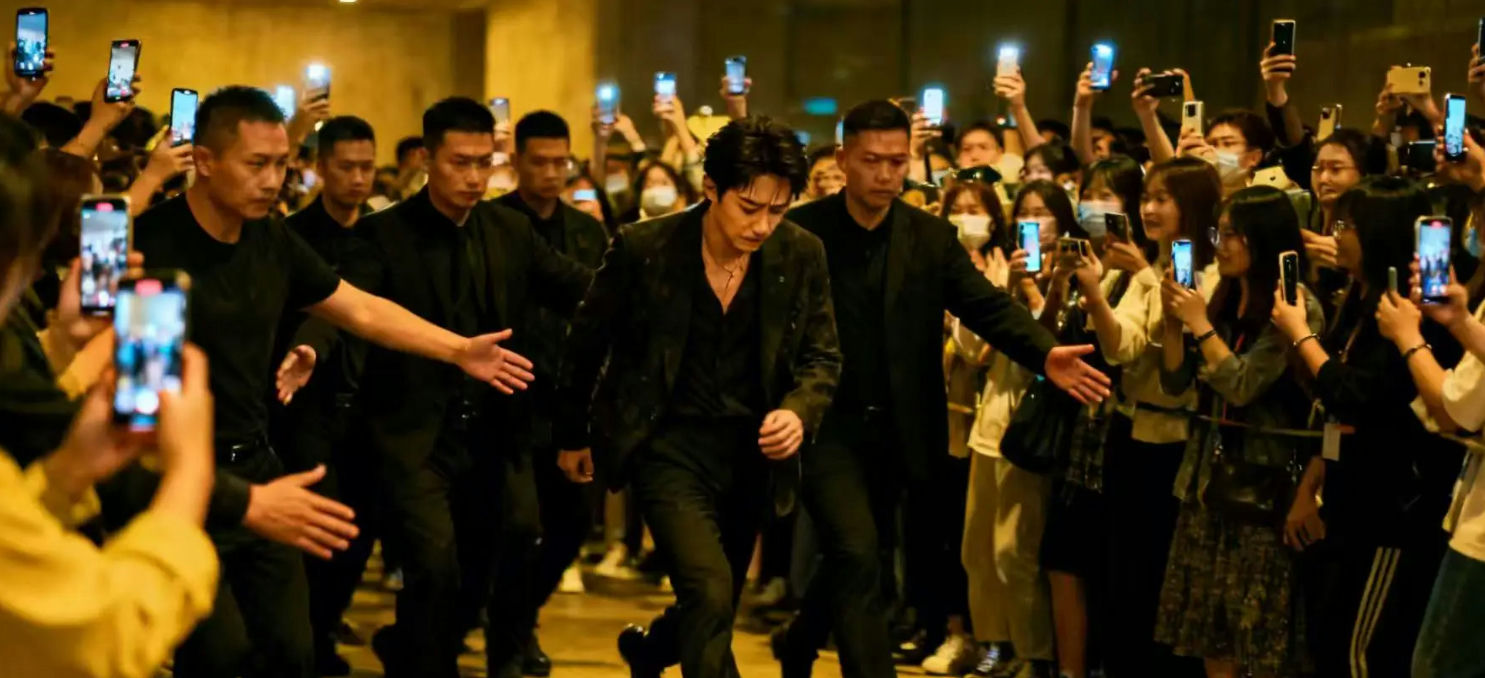
In response, authorities in China have begun tightening regulations to control chaotic fan culture and better protect artists. At the same time, celebrities are becoming more vocal, calling out inappropriate behavior and urging fans to show their support in healthier, more respectful ways.
As the line between admiration and obsession continues to blur, the entertainment industry faces an urgent need for change. Stronger legal measures and increased awareness are essential to ensure that artists can work without fear, while fans learn to express their support without crossing boundaries.
You must be logged in to post a comment.