
Electronic dance music (EDM) is rapidly emerging as one of the most dominant sonic currents in K-pop this year. From rookie groups to global superstars, more artists are choosing EDM and house as the backbone of their lead singles—signaling a noticeable shift in the industry’s musical landscape.
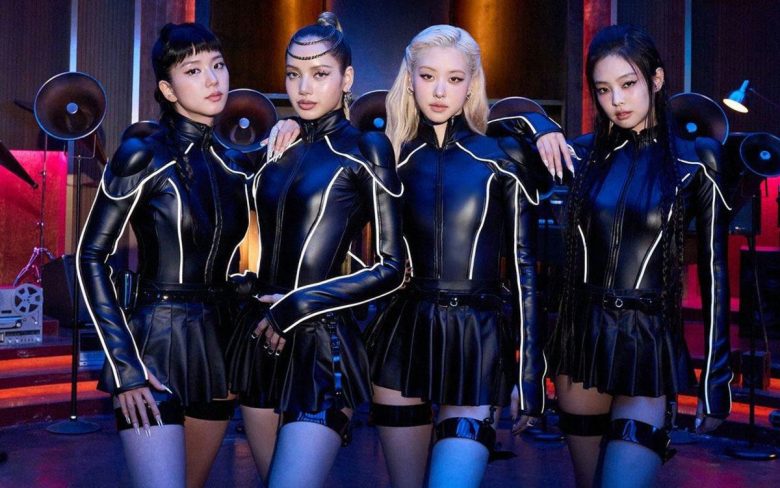
Groups such as KiiiKiii, IVE, and BLACKPINK have all recently unveiled releases infused with strong electronic elements. Meanwhile, BTS is reportedly collaborating with American DJ and producer Diplo on their upcoming album ARIRANG, scheduled for release on March 20, further fueling speculation that EDM will play a central role in the group’s next chapter.
However, industry experts emphasize that this growing fusion between K-pop and electronic music is not a sudden transformation, but rather the natural evolution of two already compatible genres.
IVE and KiiiKiii Lean Into Electronic Sounds
On February 10, IVE released the prerelease track Bang Bang, paving the way for their second full-length album set to drop later this month. Built on an EDM and electronic foundation, Bang Bang features a powerful tempo, swing-inspired intro, and a driving, straight beat—markedly different from the dream pop and hip-hop dance vibes of XOXZ, the title track from their previous EP Ive Secret.
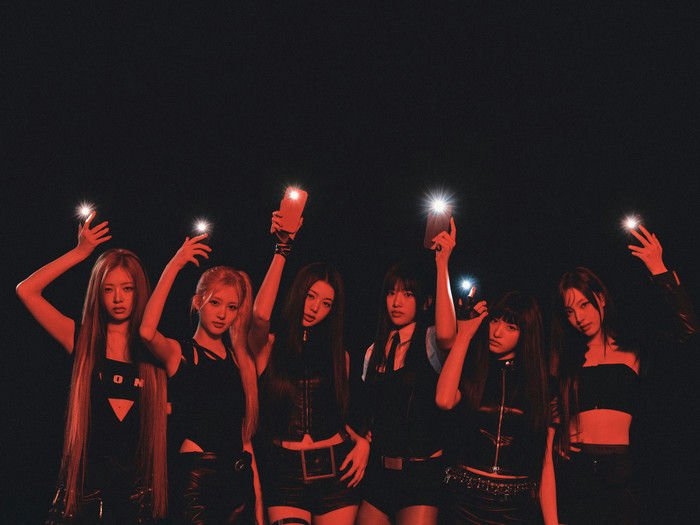
Under the same agency, rookie group KiiiKiii made a January comeback with 404 (New Era), a UK house and garage-inspired track defined by thick basslines and a modern club aesthetic. Compared to their debut song I Do Me, which leaned toward melodic electronic pop, 404 (New Era) embraces a more authentic, dancefloor-driven EDM sound.
BLACKPINK’s Bold “Shift” With JUMP
One of the most talked-about musical pivots came from BLACKPINK. Their August single JUMP, co-produced by Diplo and longtime collaborator Teddy, departed from the group’s signature hip-hop and trap foundation. Instead, the track boldly explored hardstyle and techno—genres rarely positioned at the center of mainstream K-pop releases.

The move demonstrated how top-tier acts are increasingly willing to experiment with club-oriented sounds that translate powerfully to festival and stadium settings.
Why EDM and K-pop Naturally Fit
Music critic Lim Hee-yun points out that the compatibility between K-pop and electronic music has existed for years.
“K-pop and electronic music both revolve around choreography and EDM-based structures, so they blend together naturally,” he explained. “Electronic music is especially optimized for short-form content platforms, which is why K-pop artists are continuously turning to the genre.”
According to Lim, the impact becomes even stronger when EDM merges with K-pop’s signature elements—catchy hooks and viral dance challenges.

“Electronic music works extremely well on short-form video platforms. When combined with addictive choruses and K-pop’s performance challenges, the ripple effect is enormous,” he added. “It also explodes in large-scale concerts. For groups like BTS and BLACKPINK, who regularly fill stadiums, songs that allow tens of thousands of fans to jump and move in unison are essential.”
Not Entirely New—But Strategically Timely
Despite the current spotlight, Lim cautions against framing the trend as entirely new.
“In K-pop, there are always periods when multiple groups return with similar genres at the same time,” he said. “Electronic music has been present in K-pop long before the 2010s. Groups like BIGBANG and 2NE1 strongly embraced club sounds years ago—just think of BIGBANG’s Fantastic Baby.”

As K-pop continues expanding into global markets and stadium-scale performances, EDM’s dominance appears less like a passing phase and more like a strategic choice. Its high-energy drops, immersive beats, and dance-driven structures align seamlessly with modern content consumption trends and the performance strengths of K-pop idols.
In 2026, EDM isn’t just influencing K-pop—it’s helping define its global soundscape
Sources: Netizenbuzz
You must be logged in to post a comment.