

The April issue of Idol Record is drawing significant attention among K-pop fans for its brutally honest theme: “disappointing activities.” Rather than targeting artists themselves, the feature compiles candid fan perspectives on moments where planning, promotion, or execution fell short of expectations.
What makes this issue particularly compelling is its emotional authenticity. The contributors, writing from the perspective of dedicated fans, openly express frustration, regret, and even affection—creating a discussion that feels both critical and deeply invested.
Red Velvet: When Concept and Execution Don’t Align
Red Velvet’s recent releases—Birthday, Chill Kill, and Cosmic—were highlighted not for their music, but for inconsistent promotional strategies.

Fans pointed to Chill Kill as a prime example. Its haunting trailer evoked the mood of a Korean horror film, raising expectations for a darker “velvet” concept. However, the final product diverged significantly, leaving fans feeling misled. Similarly, Birthday struggled due to poor comeback timing, while Cosmic faced criticism for its controversial “destruction” theme during the group’s 10th anniversary.
The overarching sentiment was clear: even strong music can be overshadowed by unclear direction and mismatched execution.
NCT 127: A Hit Album That Divided Fans
Few albums illustrate the gap between success and satisfaction better than NCT 127’s Sticker.
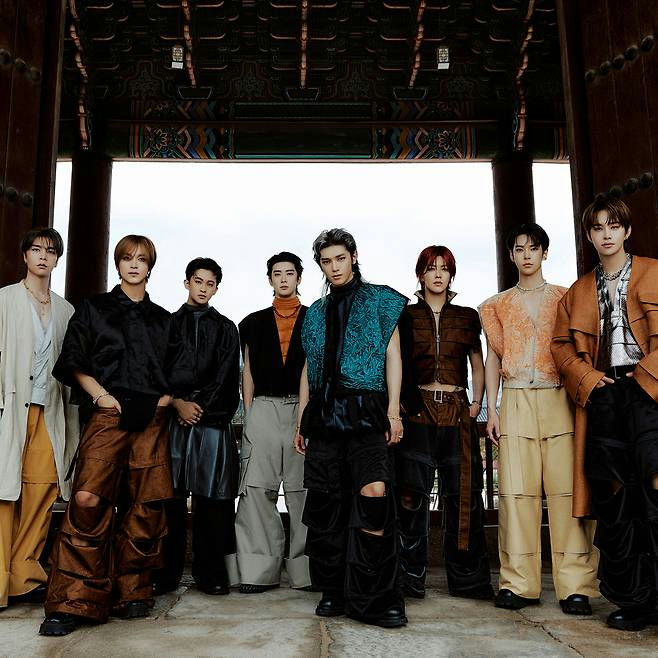
While it achieved impressive milestones—charting globally and winning awards—it remains one of the group’s most polarizing releases. Fans cited confusing visual concepts, unconventional musical structure, and difficult-to-understand lyrics as key reasons for the divide.
For many, Sticker represents a paradox: commercial triumph paired with emotional disconnect.
LNGSHOT: When Viral Marketing Backfires
LNGSHOT’s debut was another focal point, particularly due to a controversial promotional image that overshadowed their music.

Despite being backed by high-profile production and strong tracks, the group struggled to build a stable fandom. Fans argued that while bold marketing can generate attention, it can also create lasting negative perceptions—especially for rookie groups trying to establish their identity.
In this case, the attempt at viral success ultimately became a barrier to deeper fan engagement.
Yena: A Career Momentum Interrupted
Yena’s Hate XX era stands out as a case where controversy overshadowed potential.
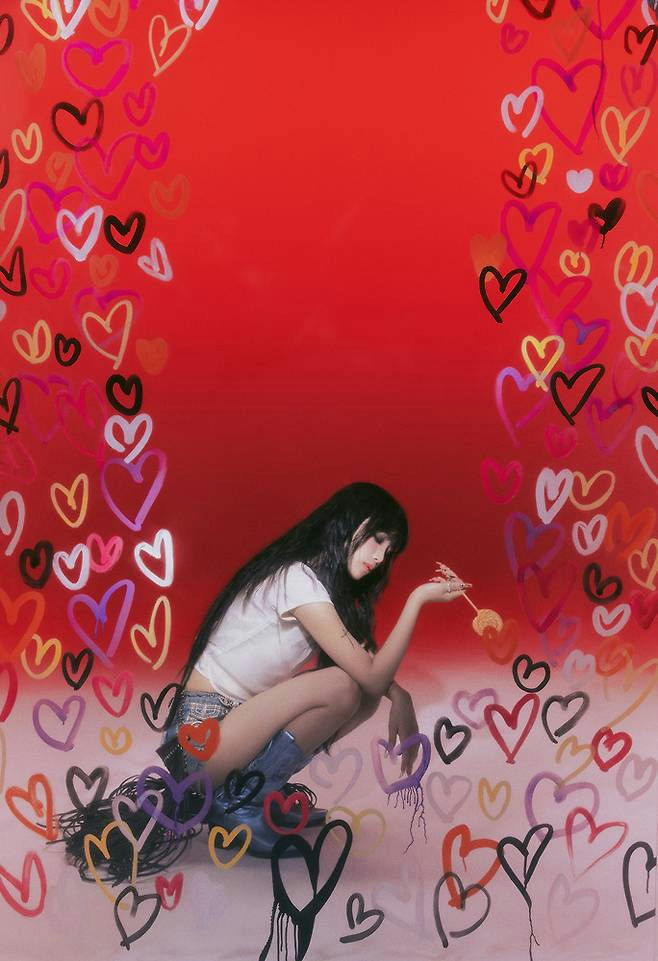
The title track Hate Rodrigo sparked backlash due to perceived references and marketing choices, leading to a shortened promotion cycle. This was particularly impactful given Yena’s rising trajectory following her successful solo debut.
Although she has since regained momentum with newer releases, the episode remains a reminder of how quickly public perception can shift in the K-pop industry.
SEVENTEEN: A Fan Meeting That Missed Its Purpose
SEVENTEEN’s 2025 fan meeting “Carat Land” was criticized for poor planning and execution.
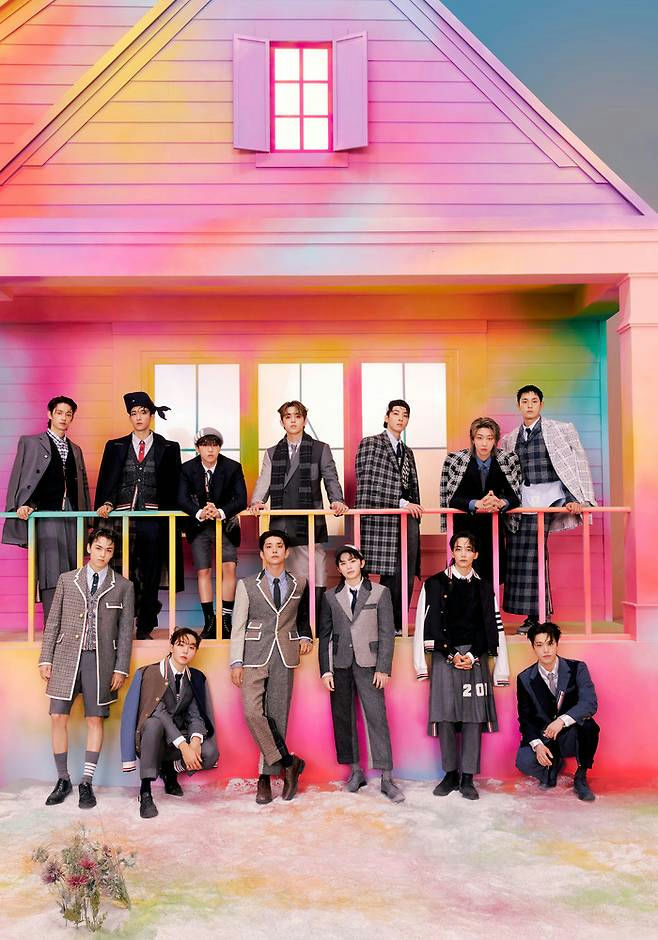
Held in a large outdoor stadium under cold weather conditions, the event struggled with visibility issues and unsuitable programming. Fans noted that interactive segments—essential to fan meetings—were difficult to follow, leaving many feeling excluded.
The disappointment was amplified by comparisons to better-executed events overseas, highlighting inconsistencies in production quality.
IZ*ONE: Missed Opportunities in a Limited Timeline
For IZ*ONE, the focus was on missed chances rather than outright missteps.
Fans expressed regret that many B-side tracks never received full performances, even during major concerts like ONEIRIC THEATER. Similarly, comeback showcases featured limited song selections, leaving several tracks without proper stages before the group’s disbandment.
Given their temporary nature, these omissions felt particularly significant—turning what could have been complete eras into unfinished legacies.
What ties all these cases together is not negativity, but passion. The critiques stem from fans who care deeply about the artists and their work, and who feel that better decisions could have elevated already strong content.
Sources: 다음 – 아이돌레
You must be logged in to post a comment.