
The Chinese entertainment industry has seen several high-profile dramas abruptly banned or removed from broadcast due to controversies ranging from distorted storytelling to unrealistic depictions of history. These cases not only sparked public outrage but also highlighted stricter content regulations in recent years.
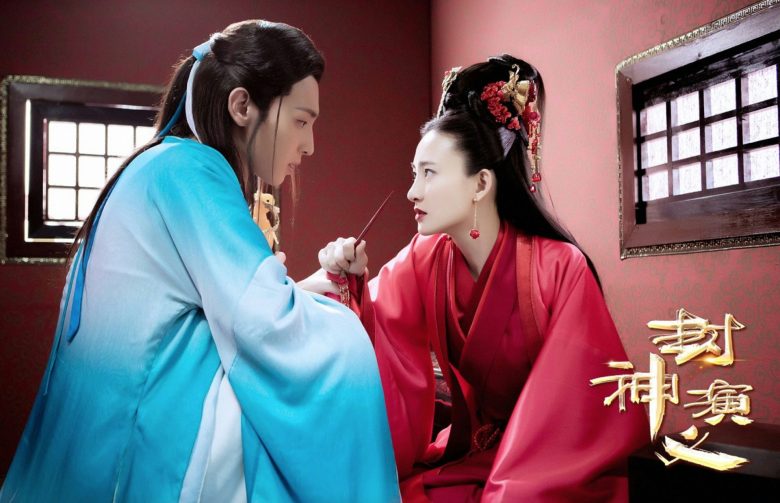
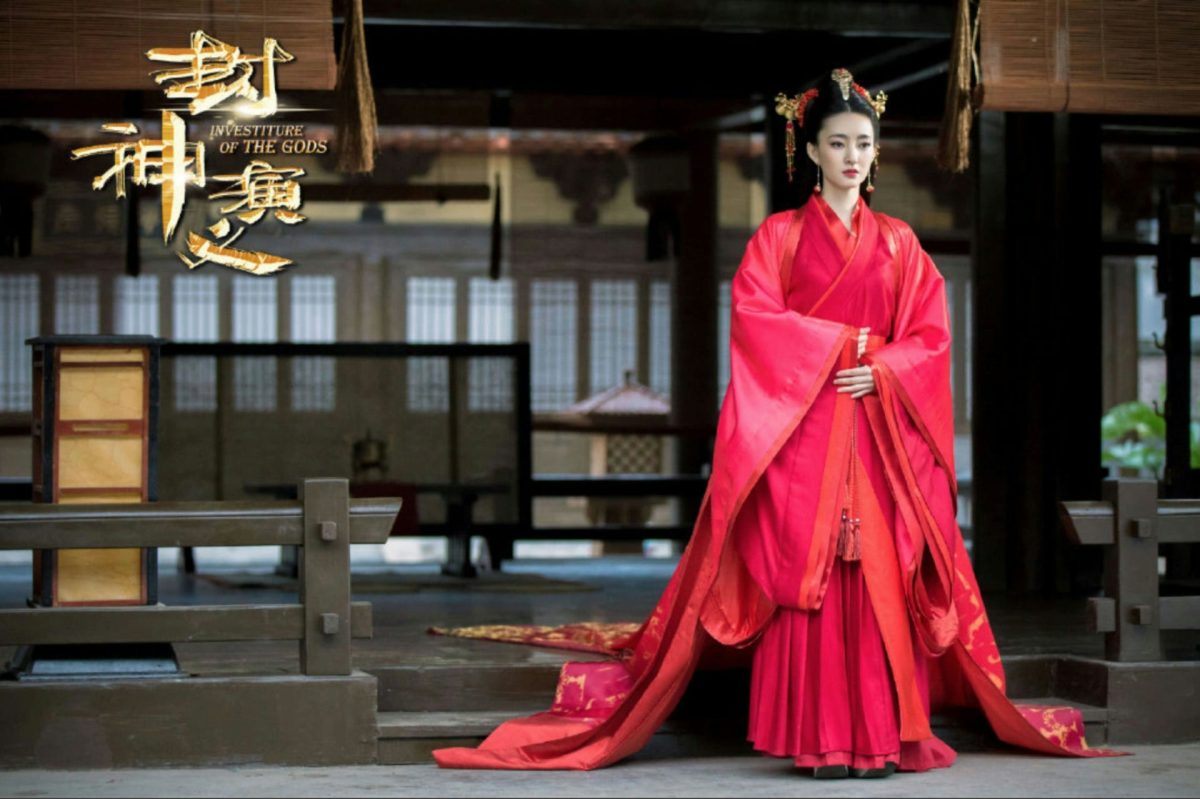
One of the most notable examples is Investiture of the Gods (封神演义), which was pulled off air after airing 53 episodes on Hunan TV. Despite strong ratings and over 100 million daily views, the drama faced backlash for heavily altering the original story. Controversial changes—such as turning classic characters into romantic figures and reshaping antagonists into heroes—were criticized as distorting traditional cultural values. The series was abruptly replaced mid-broadcast, leaving its storyline unfinished and audiences frustrated.
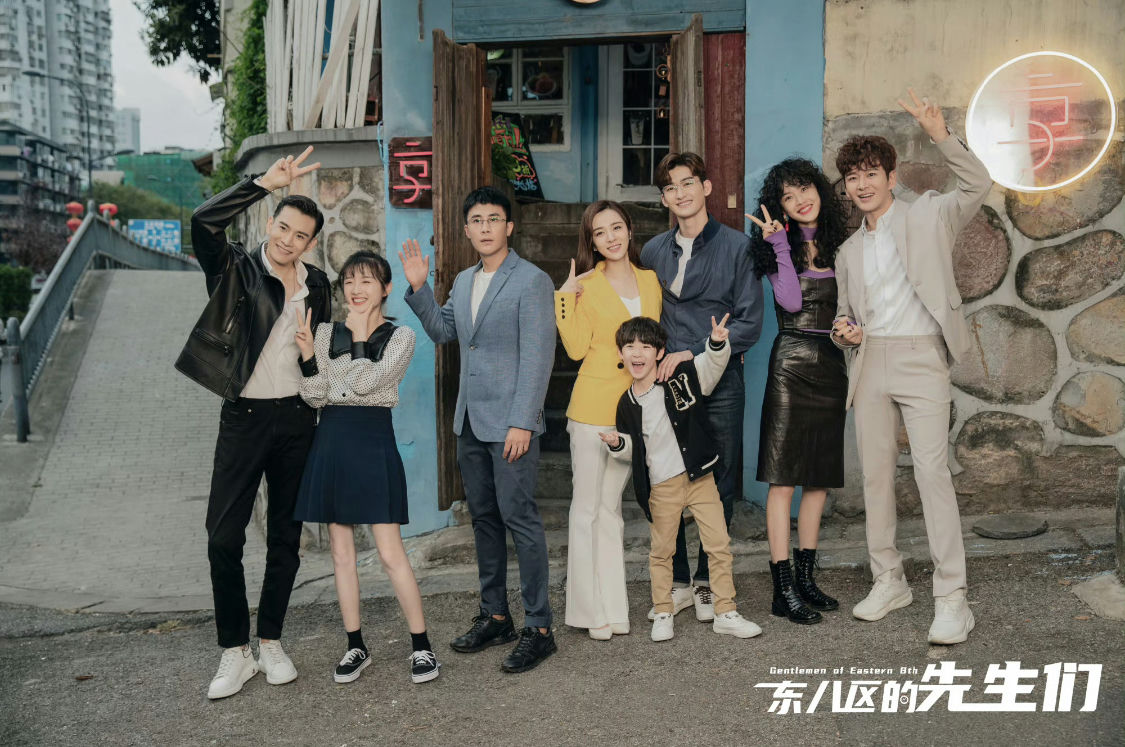
Another widely condemned project is Gentlemen of East 8th (东八区的先生们 ), starring Zhang Han. Marketed as a modern male-centered drama, it quickly became a major flop. With a Douban score dropping to 2.1, the show was removed from all platforms after intense criticism. Viewers pointed out outdated storytelling and dialogues accused of being misogynistic, turning what was once a passion project into a career “stain” for its lead actor.
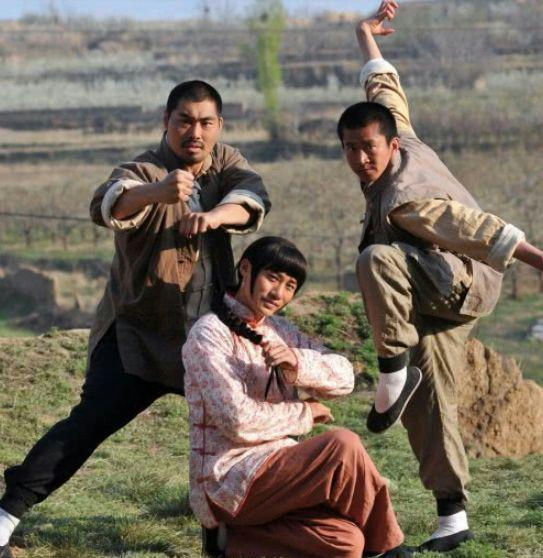
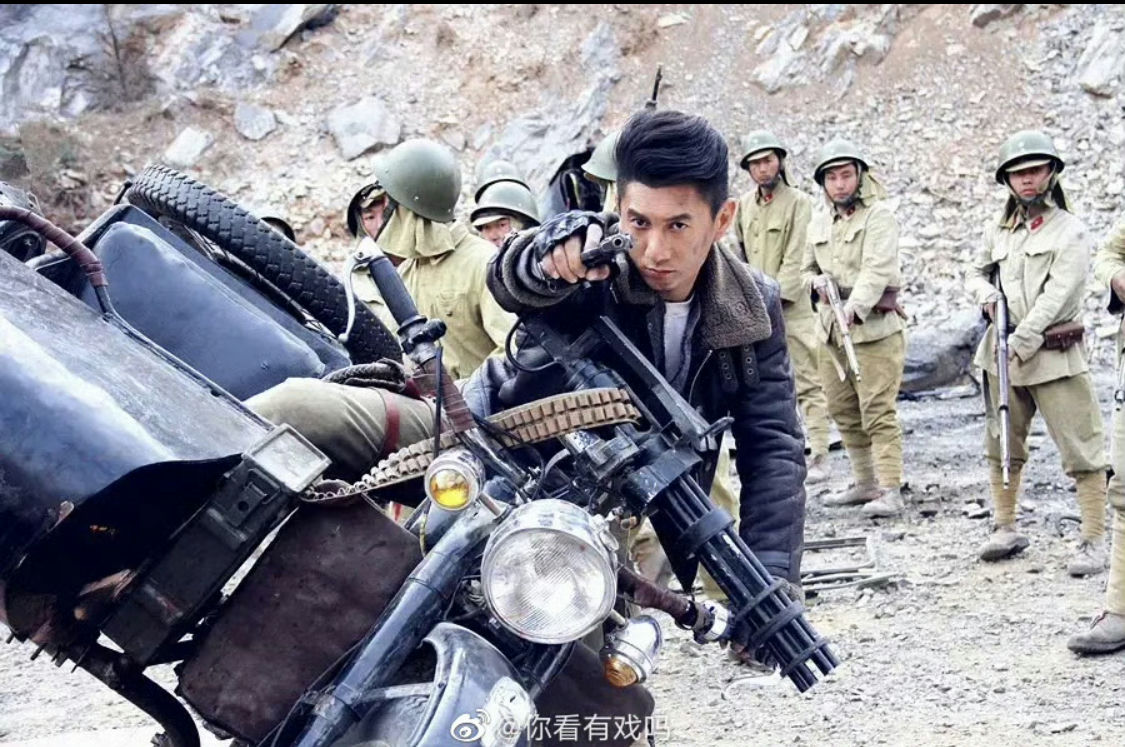
In the war drama category, Super Hero (抗日奇侠) became infamous for its extreme lack of realism. Characters were shown dodging bullets mid-air, running across rooftops, and performing exaggerated martial arts feats in battlefield settings. Critics argued that such portrayals trivialized history and disrespected the seriousness of wartime narratives.
Similarly, Bright Sword 3: The Lightning General (雷霆战将), starring Gao Weiguang, was labeled one of the worst dramas of 2020. With a Douban score of just 2.5, the series was suspended shortly after its release. It drew ridicule for scenes depicting soldiers smoking cigars and drinking coffee on the battlefield, along with over-the-top slow-motion explosions and unrealistic styling that made war zones resemble fashion runways.
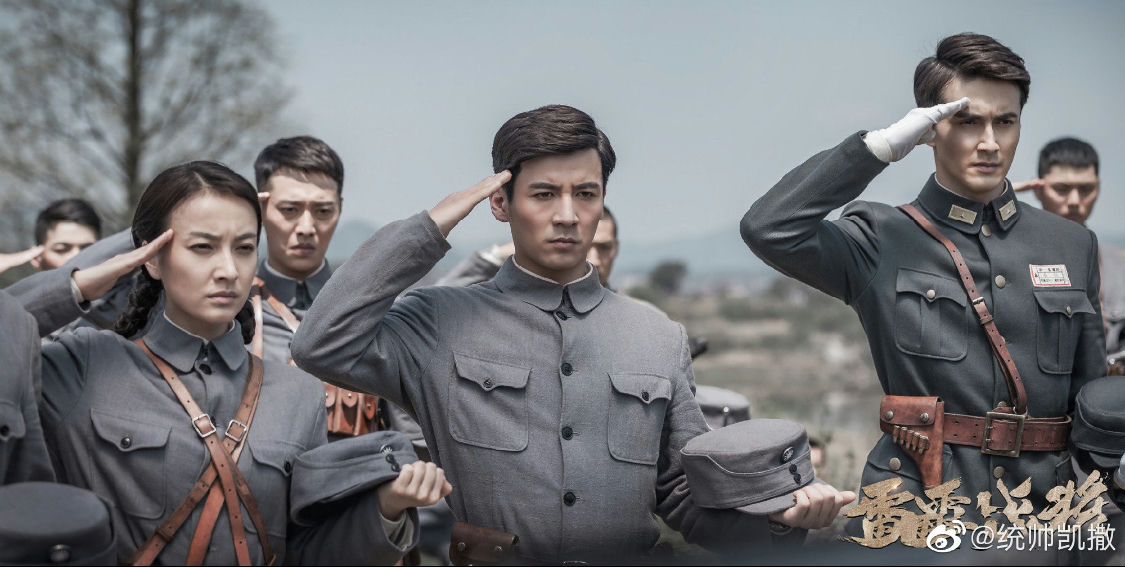
Another controversial title is Towards the Fireline (血染狐牙峰】), featuring Nicky Wu. Although it attempted to blend themes of patriotism and personal transformation, the execution was widely criticized. Absurd scenes—such as bringing European-style sofas onto the battlefield or using rocks to blow up enemy aircraft—sparked disbelief. The overly polished character appearances further fueled accusations that the drama disrespected historical authenticity, leading to its removal from all platforms in 2024.
These cases reflect a broader shift in China’s entertainment landscape, where authorities have tightened regulations on historical accuracy, cultural representation, and production quality. While some of these dramas initially attracted attention or high viewership, their eventual fate underscores the growing demand for content that respects both storytelling integrity and audience intelligence.
Sources: Kenh14,Sohu,163,Douban
You must be logged in to post a comment.