
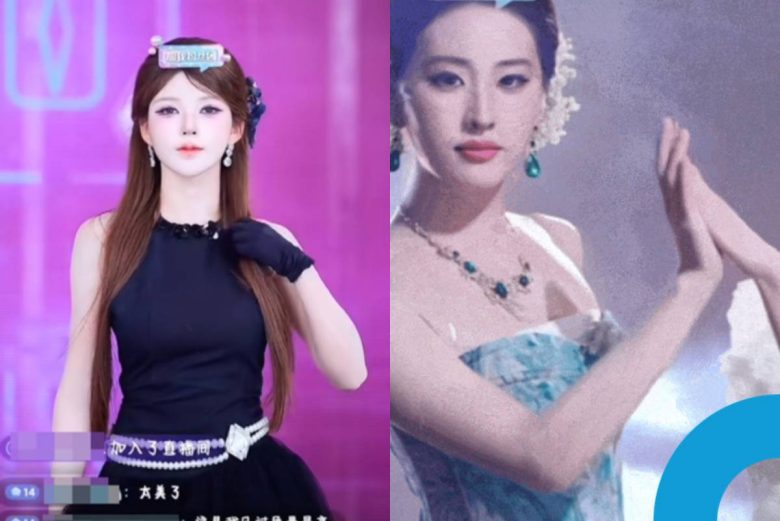
With the explosive growth of livestreaming and short‑form video platforms, imitating celebrities has become more popular—and more profitable—than ever. Netizens scrolling through social media frequently encounter “knockoff” versions of Liu Yifei dancing to trending music, look‑alikes of Zhao Lusi, Zheng Shuang, Wang Zuxian, and even entire imitation idol groups. There’s “Yunnan BIGBANG,” and the boy group ESO, whose members adopt names like Lu Ha, Huang Zicheng, Wang Erbo, and Lin Junyue—obvious stand‑ins for Lu Han, Huang Zitao, Wang Yibo, and JJ Lin.
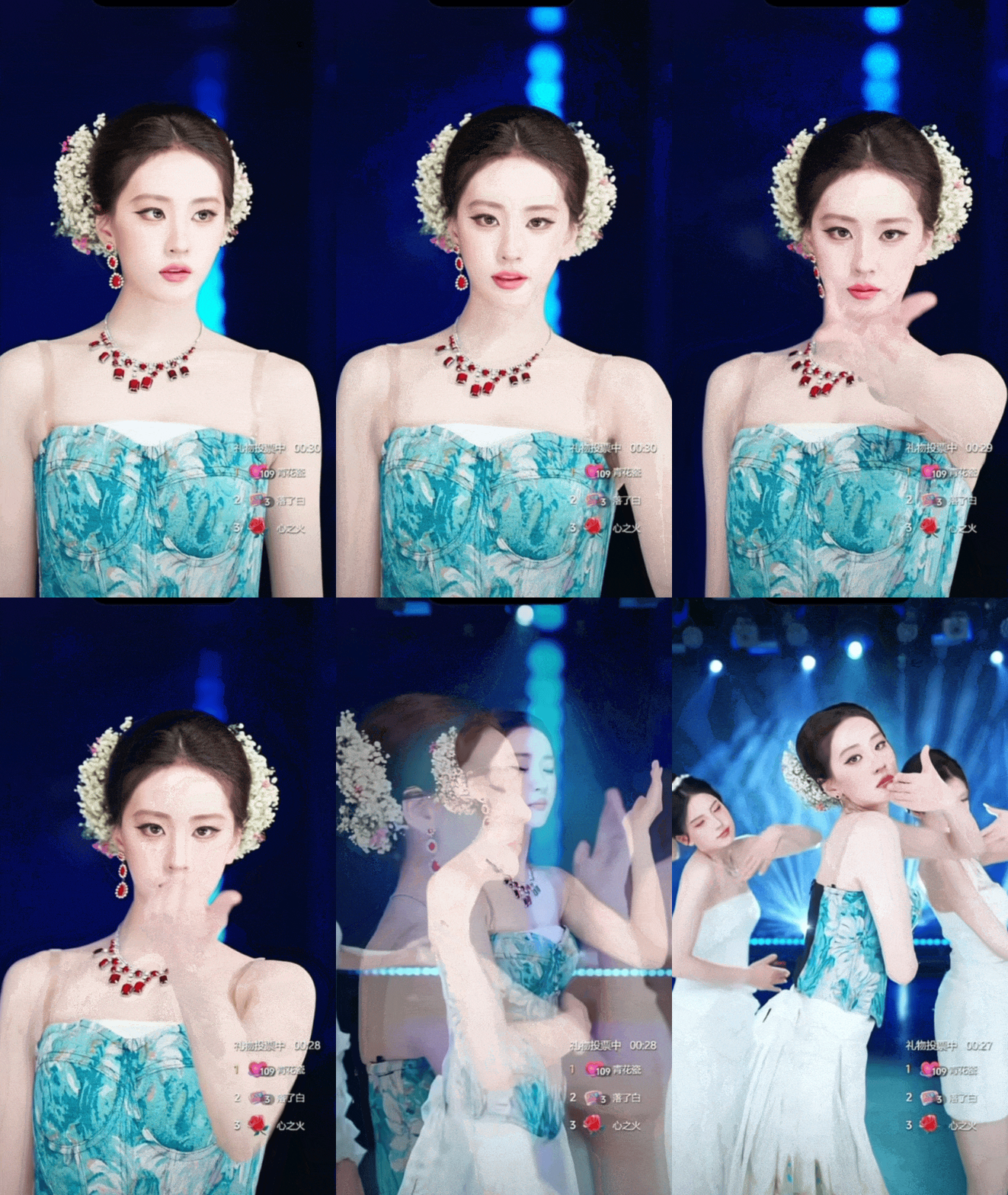
Thanks to facial similarities combined with makeup, styling, and carefully studied gestures and expressions, many of these imitators easily attract millions of views—and turn those clicks into real income on social platforms.

In fact, celebrity imitation isn’t new in China. The trend dates back to the late 1990s, when look‑alikes became a popular segment on television variety shows. By 2006, the industry had grown so large that a 600‑member performance troupe emerged, made up entirely of people who looked or sounded like famous stars. The group boldly described itself as the largest imitation‑culture organization in China, even across Asia. These performers made money through stunt roles, special appearances, and entertainment shows designed to capitalize on their resemblance to real celebrities.

Between 2010 and 2015, programs like Star Boulevard, China’s Got Talent, and Star Transformation pushed celebrity look‑alikes even further into the spotlight. Some gained national exposure on CCTV and other major TV networks, earning both fame and fortune. It’s no surprise that some people even turned to cosmetic surgery to increase their resemblance to famous figures.
According to QQ, back then, resemblance alone wasn’t enough. Successful imitators had to master gestures, expressions, and even vocal tones. Many spent years studying every movement of the original star. Today, however, fame can come in as little as 15 seconds. As long as someone vaguely resembles a celebrity and knows how to create attention—sometimes through exaggerated or even borderline antics—they can go viral overnight.
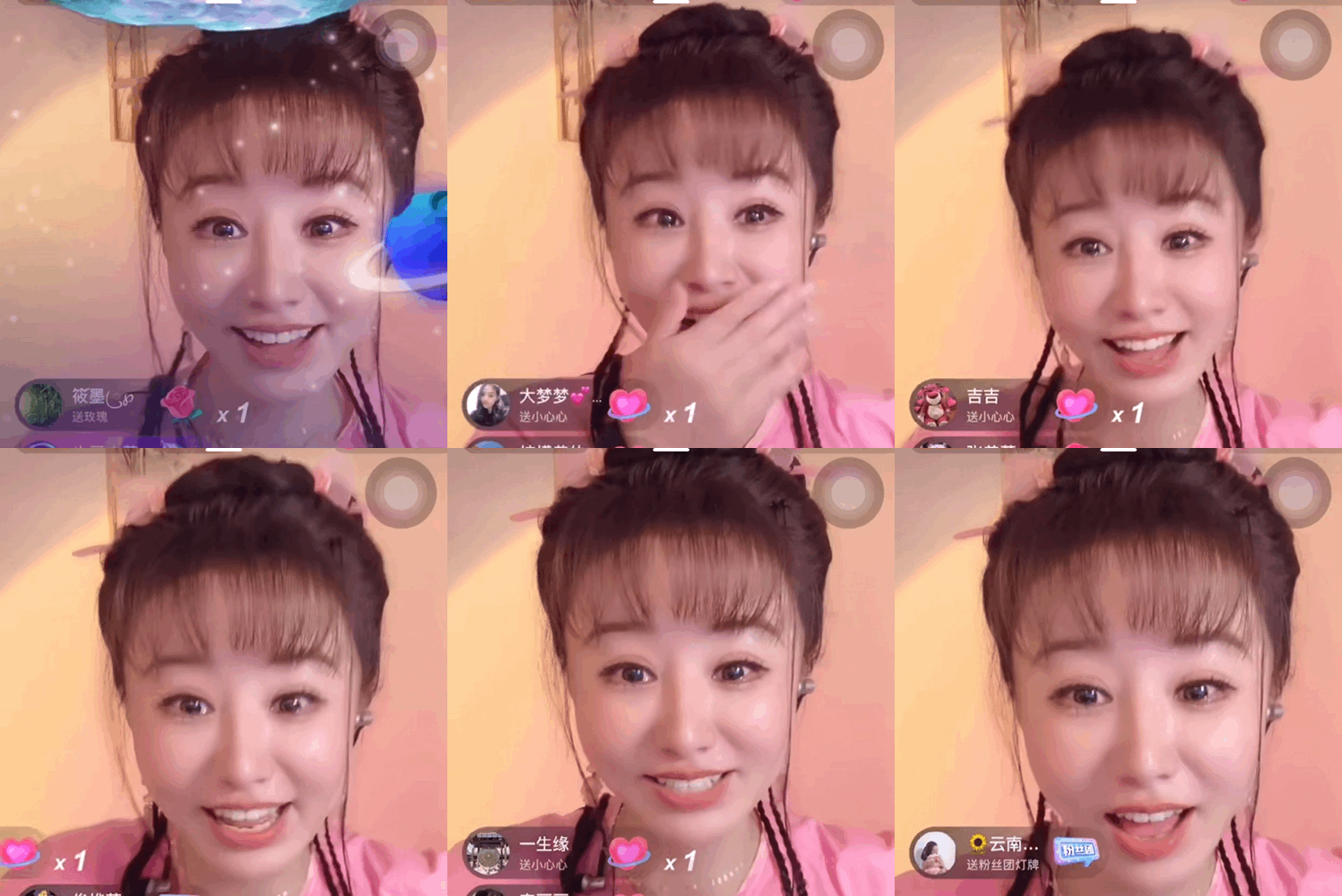
One example is a so‑called “Little Ruby Lin,” who recreated the Zi Wei look from My Fair Princess. Despite barely capturing the character’s personality and often relying on comedic gimmicks, she reportedly earned 100,000 yuan (about 14,000 USD) from a single livestream and gained 700,000 followers in just one month.
Another case is “Foshan Zhang Han,” a former factory worker whose resemblance to actor Zhang Han helped him earn enough to buy a Maybach worth 1 million yuan and even start his own company. His follower count on short‑video platforms has reportedly surpassed that of the real Zhang Han.
Even more famous is ESO, the EXO “copycat” boy group. Despite questionable singing and dancing skills, the group has attracted massive attention, appeared at events, and even held fan meetings. Audiences are often stunned that these imitators—clearly inferior in talent and visuals—still command crowds, stage lighting, and screaming fans.

The most successful among them is Lu Ha, the Lu Han look‑alike, who reportedly earns 5 million yuan per month (nearly 750,000 USD). Once struggling with odd jobs, his life has completely transformed: he now owns an 11‑million‑yuan villa, a Ferrari worth 2.77 million yuan, runs his own company, and got married at the end of 2025—winning both in career and personal life.
QQ notes that these “fake” celebrities entertain audiences by shattering the perfect images of real stars and doing things the originals would never dare to do. They’re especially favored by small and mid‑sized brands, as their fees are a fraction of top‑tier celebrities’ rates while still delivering strong viral impact.
However, this line of work exists firmly in a legal “gray area.” If not careful, imitators can face lawsuits from the real celebrities for damaging their image, leading not only to account bans but also massive compensation claims.
One notable case involved influencer Wang Baoruo, who produced videos referencing the scandal involving actor Wang Baoqiang, his ex‑wife, and former manager. The result was a lawsuit demanding 6.5 million yuan (around 900,000 USD) in damages.

As lucrative as imitating celebrities can be, the risks are just as real. Without caution, today’s viral success could quickly turn into a costly legal nightmare—leaving imitators with nothing to show for their fame.
Sources: Netizenbuzz
You must be logged in to post a comment.