
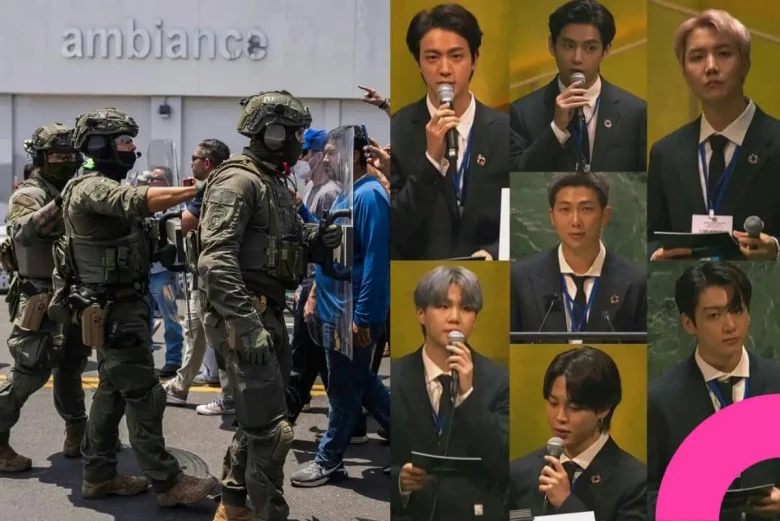
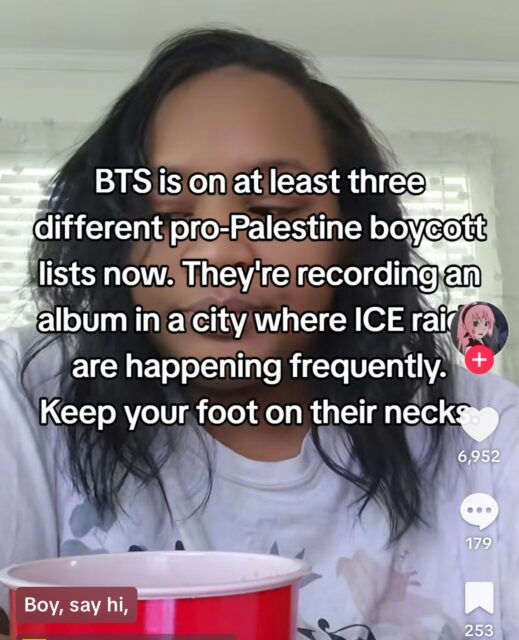
The controversy began when a viral TikTok post highlighted BTS’s recent recording sessions in Los Angeles, one of several Democratic strongholds targeted by the Trump administration’s renewed push for mass deportation raids. The post tied BTS’s presence in LA to the city’s immigrant population under siege, implying that their silence on the issue felt contradictory to their global image of compassion and justice.
“They’re profiting from a city’s culture while remaining silent about its pain,” one commenter noted. “No one’s saying they should solve it. Just acknowledge it.”
Context: The ICE Raids
Under recent policy shifts, ICE has aimed to carry out up to 3,000 daily arrests, focusing largely on cities like Los Angeles, New York, and Chicago. These raids have been criticized for their aggressive nature, often affecting legal immigrants or even U.S. citizens caught in bureaucratic crossfires.
As images of frightened families and chaotic detainments circulate, fans are increasingly drawing connections between their favorite artists’ actions and the local social climate.
The Debate: Should BTS Speak Up?
The online conversation quickly turned heated. Critics of BTS argue that as global celebrities recording and operating in the U.S., they bear a degree of social responsibility, especially in cities experiencing civil unrest or human rights concerns. However, an equally vocal group sees the backlash as unfair and misdirected.
Others warned of double standards, asking why BTS is being targeted for remaining neutral while many Western celebrities also stay silent.
A Legacy of Advocacy
Despite the current divide, it’s worth noting that BTS has a long-standing history of social engagement:
- Partnered with UNICEF for the “Love Myself” anti-violence campaign
- Delivered speeches about self-love and mental health at the United Nations
- Vocalized support for Black Lives Matter, donating $1 million alongside fans
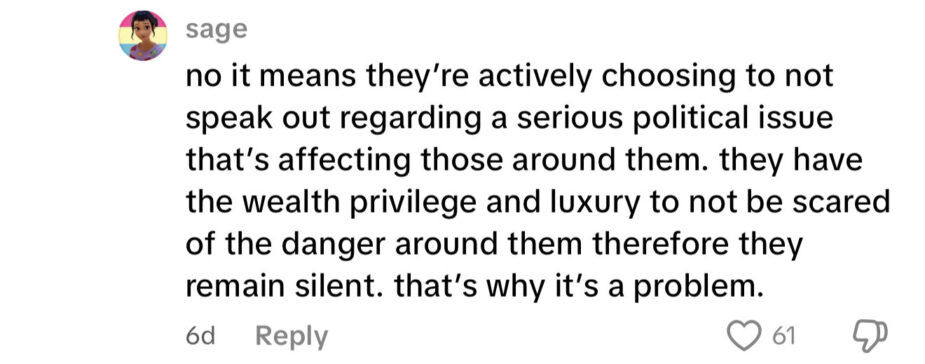
This makes their current silence on ICE more complex, not necessarily from apathy — but possibly from strategic caution in a politically explosive environment.
The situation reflects broader questions about what we expect from global stars. In a world where celebrity voices can amplify social justice, should all public figures speak out, regardless of nationality, context, or legal limitations? Or does true activism mean choosing when and how to engage, without being pressured into performative statements?
Sources: Koreaboo
You must be logged in to post a comment.