
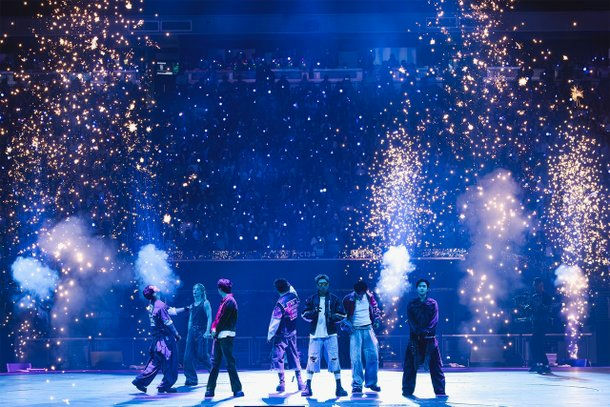
According to BigHit Music, BTS recently wrapped up the North American leg of its Arirang world tour, performing across five major cities and attracting hundreds of thousands of fans while selling out every stadium show.
The group’s North American trek began at Raymond James Stadium in Tampa before expanding to El Paso, Mexico City, Stanford, and Las Vegas.

Over the course of 15 concerts, BTS reportedly performed for approximately 840,000 fans, reaffirming its status as one of the world’s biggest stadium acts.
The tour marked another milestone for the group following its highly anticipated full-group comeback earlier this year.
According to Billboard’s monthly Boxscore data cited in the report, BTS generated approximately $76.2 million in revenue from just eight concerts held in Goyang, Tokyo, and Tampa.
The shows reportedly sold more than 417,000 tickets, allowing BTS to debut at No. 1 on Billboard’s Top Tours ranking.

The figures translate to an average gross revenue of approximately $12.1 million per concert, or roughly 18.2 billion KRW ($13 million USD) per show.
Industry observers noted that the group’s average concert revenue increased by approximately 64% compared to BTS’s previous blockbuster tours in 2019 and 2022, highlighting the group’s growing global demand.
Beyond ticket sales, BTS continues to demonstrate its ability to drive significant economic activity in host cities.
Local media outlets in Las Vegas reportedly estimated that the concerts could generate up to $200 million in economic value for the city through tourism, hospitality, transportation, retail spending, and related industries.
Previous estimates tied to the group’s concerts in Tampa suggested an economic impact ranging from $800 million to $900 million, while Mexico City business organizations projected economic benefits exceeding $100 million.

The phenomenon has become widely known as “BTSnomics,” referring to the group’s ability to create large-scale economic ripple effects wherever it performs.
The group’s influence extends far beyond music.
Academics and cultural experts have frequently cited BTS as a major force behind the global rise in interest surrounding Korean language, history, and culture.
Professor Dafna Zur of Stanford University previously noted that interest in Korean studies among international students has continued to grow even as enrollment in many other foreign-language programs has stagnated.
The group’s cultural impact has also been recognized by governments and institutions worldwide, further cementing BTS’s role as a global ambassador for Korean culture.
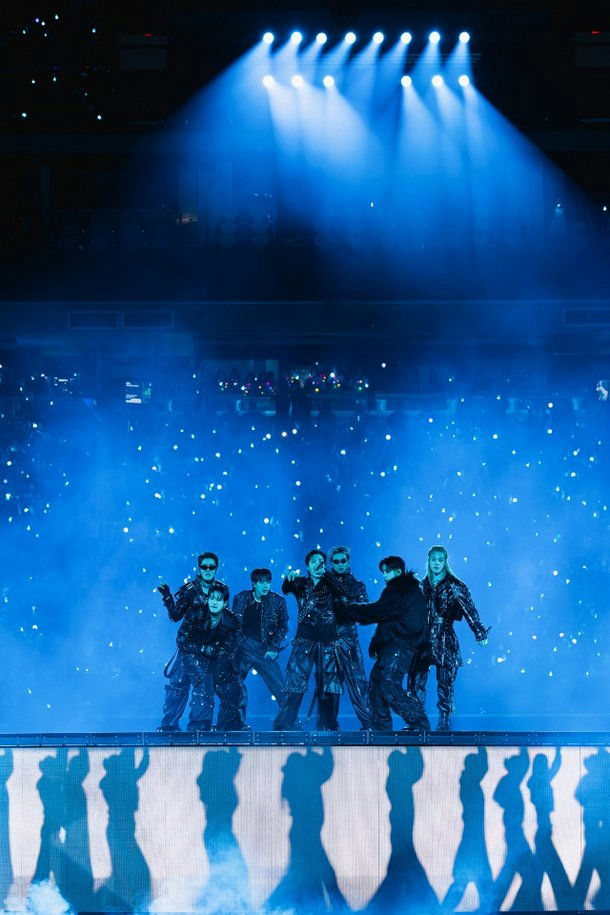
Following the successful completion of the North American leg, BTS is scheduled to meet Korean fans at Busan Asiad Main Stadium before launching its European tour in Madrid later this summer.
The group will then return to North America for additional stadium performances, with industry analysts projecting that the overall world tour could generate more than 3 trillion KRW in combined ticket, merchandise, album, and content-related revenue.
With sold-out stadiums, chart success, and unprecedented economic influence, BTS continues to redefine what is possible for a K-pop act on the global stage.
Sources: 네이트 뉴스
You must be logged in to post a comment.