
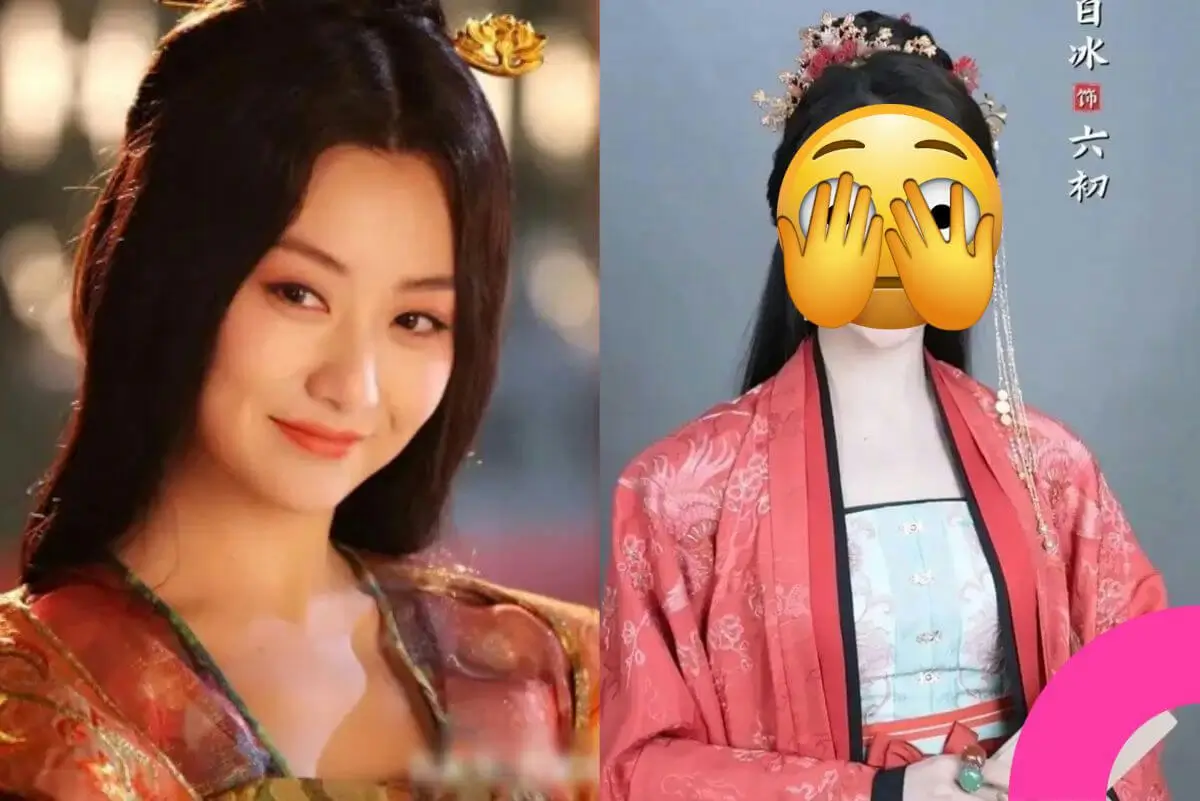
Bai Bing, once celebrated as one of Beijing’s “Four Great Beauties” alongside Han Xue, Gan Wei, and Jing Tian, is now under public scrutiny not for her acting, but for her changed appearance.
Fading Beauty, Rising Controversy
Nicknamed “China’s Kim Hee-sun” for her elegant and youthful charm, Bai Bing has drawn criticism from netizens who say she no longer possesses the natural glow that once defined her.

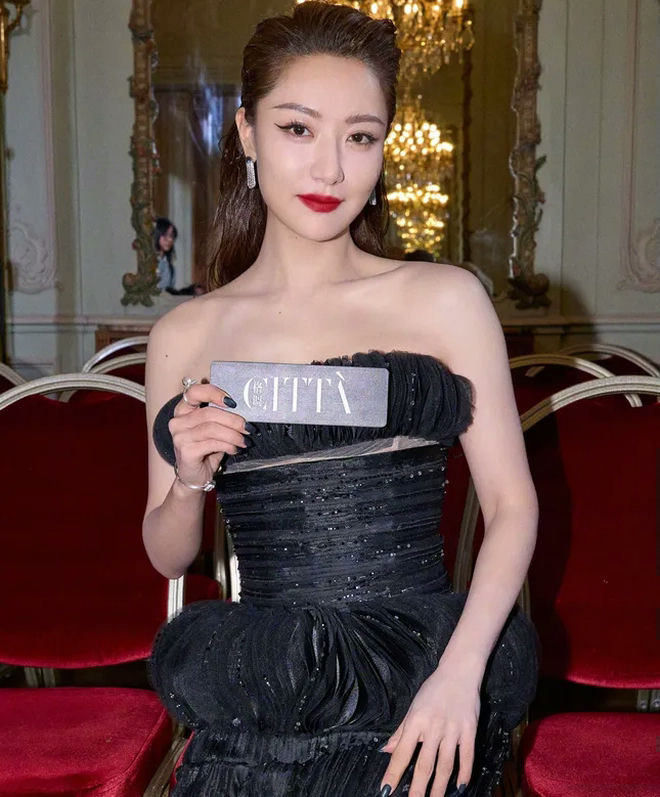
Her recent appearance in the hit drama In the Name of Justice where she played Jiang Min, the wife of Zhang Yi’s character rekindled interest in both her performance and her looks. While praised for her acting, many were dismayed by her altered facial features. Some speculate that cosmetic procedures and natural aging have dulled her once-distinct charm, leading to accusations of a “plastic” and less expressive appearance.
From Rising Star to Retreat from Fame
Bai Bing rose to prominence in 2010 after starring as Princess Jade Thau in The Myth. Her beauty and on-screen charisma led to roles in The Dream of Red Mansions, Painted Skin – The Resurrection, and Heroes in Sui and Tang Dynasties. Her success earned her the Huading Award for Most Popular Actress in China and secured her status as a household name.
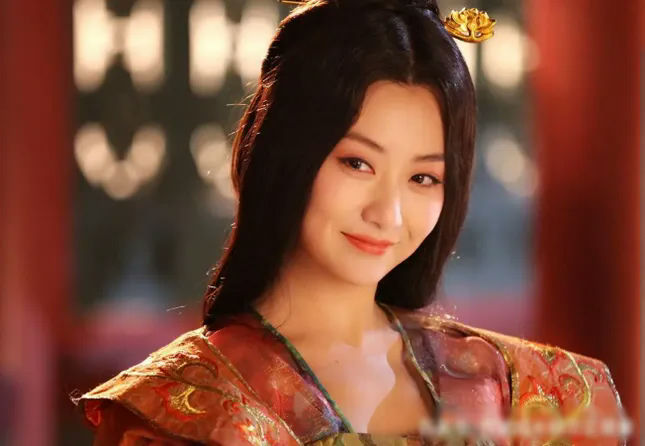
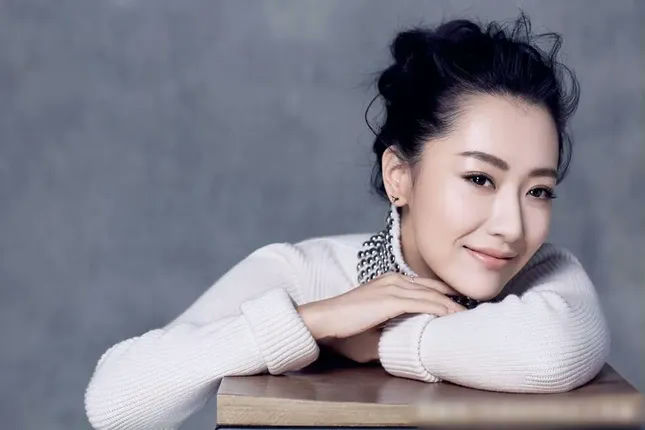
However, at the peak of her career, Bai Bing made the surprising decision to step away from the limelight. She married model Ding Yi and devoted several years to family life after giving birth to a daughter. In 2020, she revealed on Sisters Who Make Waves that she had divorced. Reflecting on her past choices, she admitted, “If I could go back, I would not have chosen to get married and have children at the height of my career.”
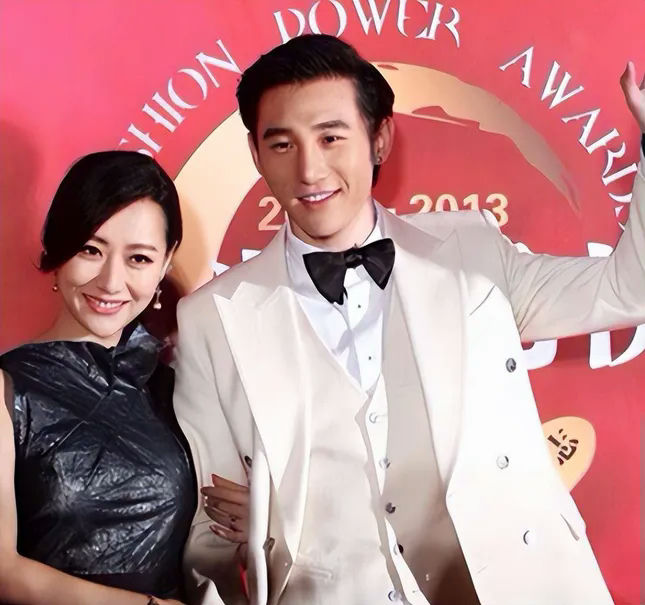
Her ex-husband’s rumored affairs and alleged hidden sexual orientation further fueled controversy, with reports stating that Bai Bing covered all their wedding expenses while he contributed little.
A Challenging Return to the Spotlight
Since her return to acting, Bai Bing has mostly been cast in supporting roles. Her attempts to rebuild her career haven’t come easy. A notable incident involved luxury fashion house Elie Saab, which reportedly disapproved of her wearing one of their gowns, citing her reduced public visibility and status.


This episode highlighted the unforgiving nature of the Chinese entertainment industry, where reputation, relevance, and media presence often outweigh talent or legacy.
Despite the criticism, Bai Bing remains a subject of fascination. Her story is a stark reminder of how quickly fortunes can shift in show business. From being hailed as one of China’s most beautiful women to facing backlash over cosmetic changes and declining fame, her career arc mirrors the fleeting and often harsh realities of the industry.
You must be logged in to post a comment.