
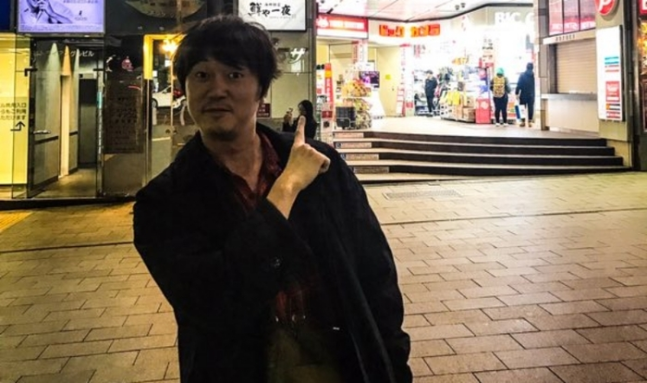
After 7 years away from the spotlight, Arai Hirofumi (45, Korean name Park Kyung Bae) recently resumed activities and shared a message online that many interpreted as an attempt to justify his comeback, triggering widespread backlash.
In 2018, Arai was arrested for sexually assaulting a female employee from a massage service whom he had called to his Tokyo residence. He was later found guilty and sentenced to four years in prison. According to reports, he was released on parole in 2024 after serving the majority of his sentence.
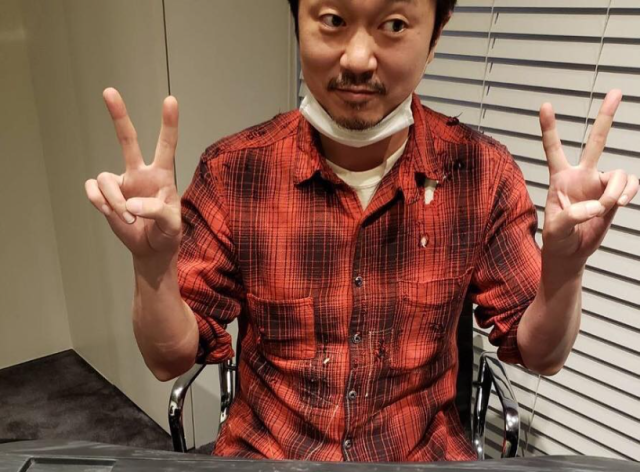
Recently, Arai appeared as a guest performer in a one-man stage play in Tokyo, marking his first official step back into public activities. Following the performance, he posted a message on social media on December 28, 2025, stating, “This is a job where you can only work when offers come in, and I’m grateful that many people have reached out wanting to work together. If I’m able to resume activities, I hope for your support.”
He went on to address criticism directly, writing, “Some say the entertainment industry is too lenient in allowing criminals to return. But in Japan, even people with criminal records are often able to return to their original professions.” His unapologetic tone quickly became a focal point of controversy.
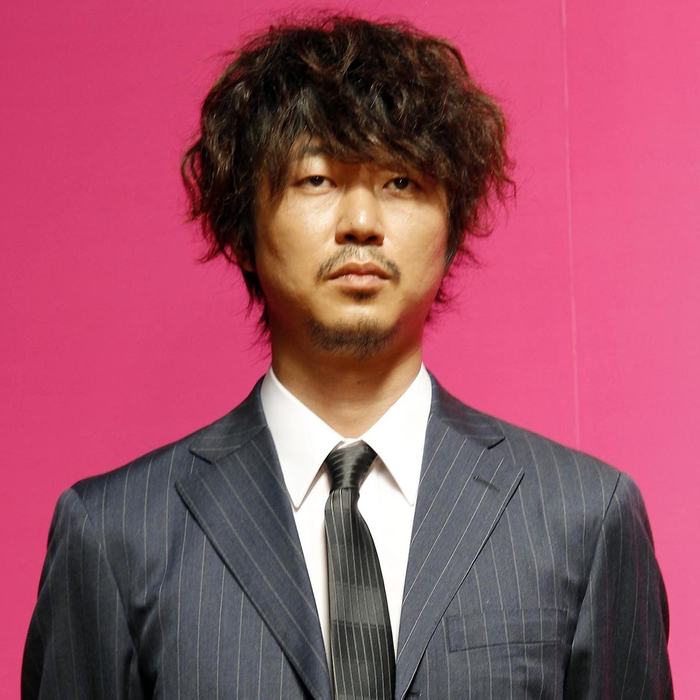
Arai’s confident remarks have fueled heated debate within Japan, with opinions sharply divided over whether individuals convicted of serious crimes should be allowed to resume careers in the public eye, particularly in entertainment.
Prior to his conviction, Arai Hirofumi was known as a talented actor, appearing in popular films such as Parasyte and Gintama. In 2016, he won the Excellent Supporting Actor Award at the 39th Japan Academy Film Prize for his performance in 100 Yen Love, cementing his reputation as a skilled actor.
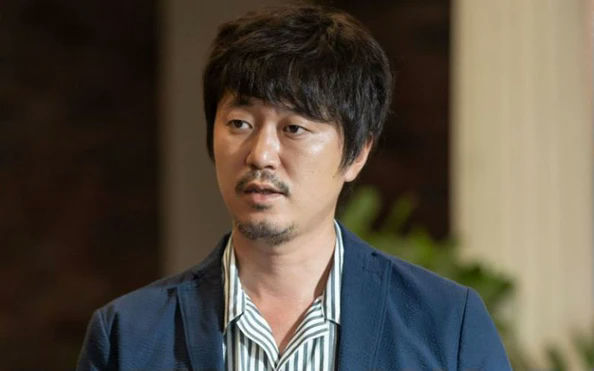
However, his attempted comeback continues to raise difficult questions about accountability, public trust, and the boundaries of forgiveness in the entertainment industry.
Sources: Naver
You must be logged in to post a comment.