
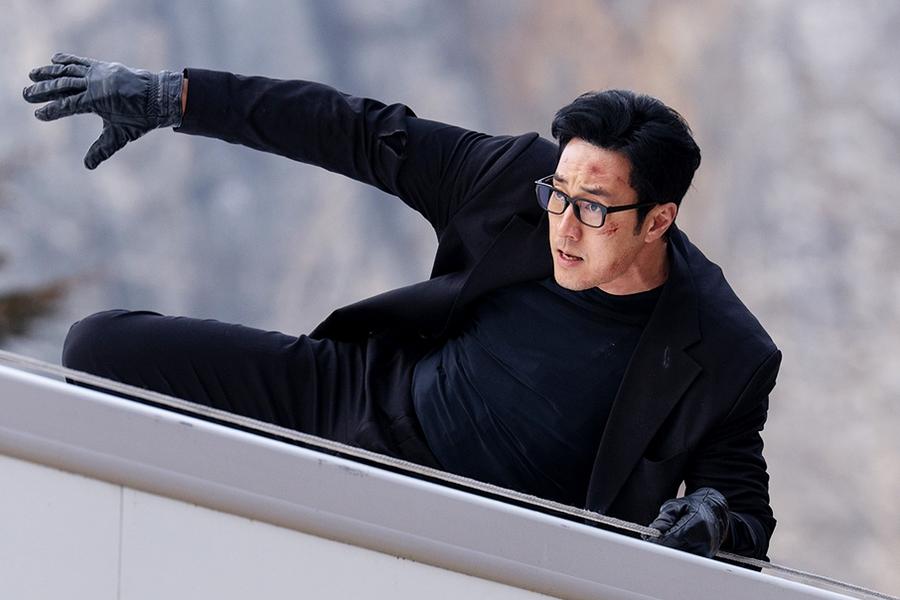
“I’m too scared to watch I can only listen to the sound.” “It’s shocking that a terrestrial TV drama is showing violence at this level.” “I have to wait until the kids are asleep before watching.”
These are just some of the reactions from viewers to SBS drama Agent Kim Reactivated, which has become a sensation not only in South Korea but also on global streaming platforms. Although the series carries a 15+ age rating and presents itself as the satisfying revenge story of an ordinary family man, its graphic action sequences and brutal depictions of violence have sparked heated debate.

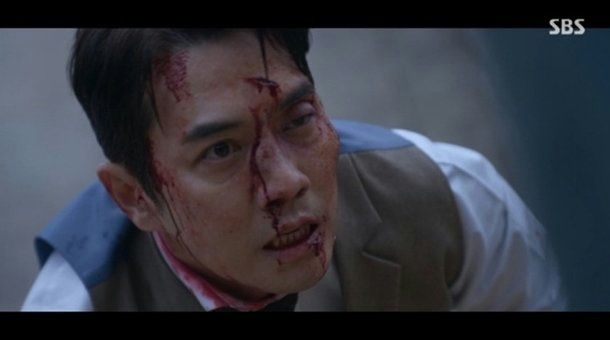
The drama features numerous scenes involving knives, gunfights, and graphic bloodshed, leaving many viewers uncomfortable. While its fast-paced storytelling and cathartic revenge narrative have earned widespread praise, scenes depicting explicit bodily mutilation including scalp removal have led critics to argue that the series has crossed the traditional boundaries of violence for a free-to-air television drama.
Online communities and viewer message boards have been flooded with comments such as, “The action and violence are so intense that I thought it was an OTT original,” “I spend more than half the drama watching with my eyes closed,” “I’m worried my children might accidentally see it,” and “The violence is simply too graphic for family viewing.”
Despite the controversy, Agent Kim Reactivated has become an undeniable phenomenon. The series surpassed a 20% nationwide viewership rating after only four episodes and has also attracted audiences worldwide through Netflix, ranking No. 1 in the platform’s global non-English TV category for two consecutive weeks.
Much of the drama’s success lies in its unconventional protagonist, who breaks away from the traditional action hero formula. Rather than portraying a young, flawless fighter, Agent Kim Reactivated centers on an ordinary middle-aged office worker a husband and father who spends his days navigating workplace politics, supporting his family, and suppressing his own emotions.
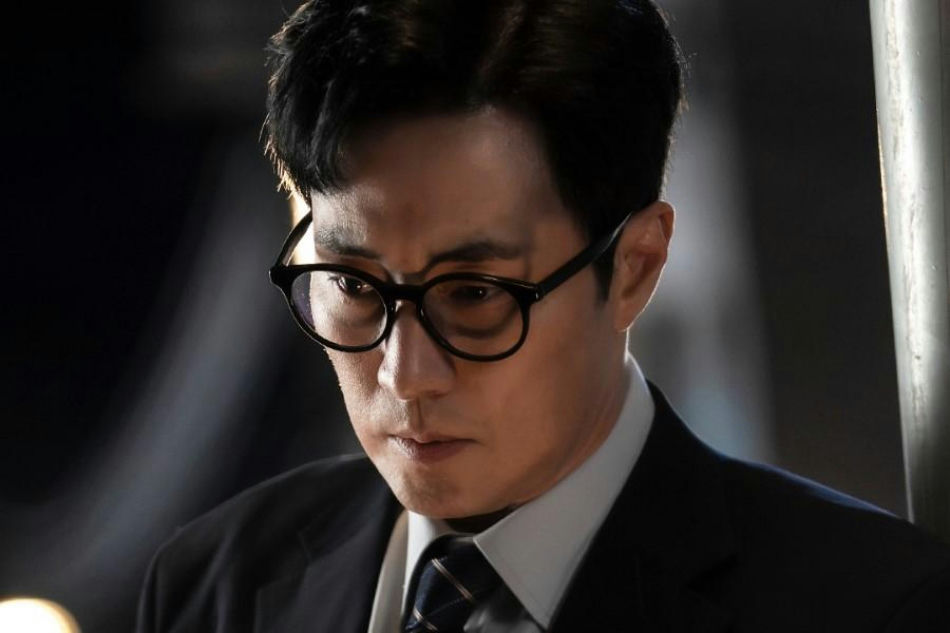
For years, middle-aged men on Korean television have often been depicted as authoritarian fathers, outdated bosses, or secondary supporting characters. Agent Kim Reactivated turns that stereotype on its head. Although older and burdened with responsibility, the protagonist is neither helpless nor portrayed solely as a victim. Instead, an ordinary family man who has endured hardship for years unleashes hidden strength when his loved ones are threatened, creating a new image of the modern “K-Uncle.”
What resonates most strongly with viewers is the sense of vicarious satisfaction. Comments such as “He’s the hero I’ve always wanted,” “I wish ordinary dads could stand up for themselves like this,” and “This fulfills the dreams of my father’s generation” illustrate why the character has struck such a powerful emotional chord.
For people who spend their lives swallowing frustrations at work and navigating countless social pressures, Manager Kim’s fight back represents more than simple revenge. It offers the fantasy of delivering justice that most people can never pursue in real life, providing a powerful sense of emotional release.
One viewer commented, “I started watching because of the action, but I stayed because of Manager Kim’s sincerity. His determination to protect his family is what truly moved me.” Another wrote, “It feels like he’s saying everything we have to keep bottled up in real life. That’s what makes it so cathartic.”
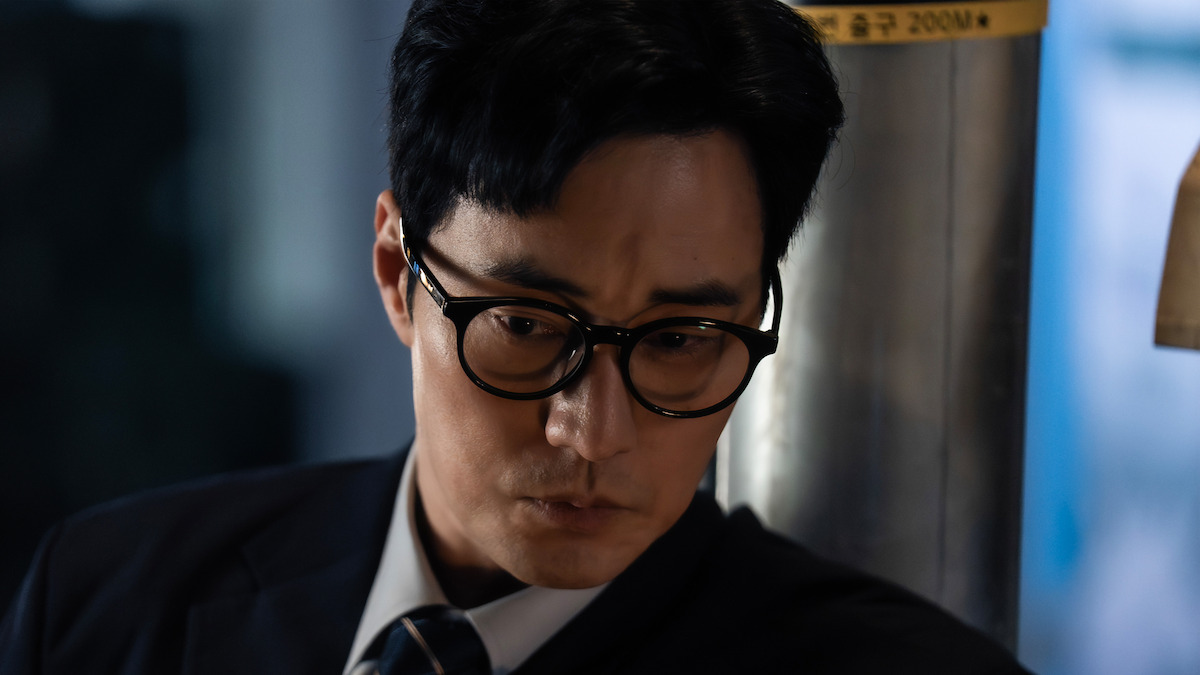
Through the story of an ordinary middle-aged father fighting back, Agent Kim Reactivated taps into both suppressed emotions and the audience’s desire for wish fulfillment. Blending graphic action with themes of family responsibility and resilience, the drama has transformed a conventional revenge story into one of the biggest television hits of the year.
That may ultimately explain why viewers find it so difficult to look away. Beneath the violence and revenge lies the story of an ordinary man who finally reaches the moment when he no longer has to endure everything in silence and, for many viewers, that is the drama’s greatest appeal.
Sources: Nate
You must be logged in to post a comment.