
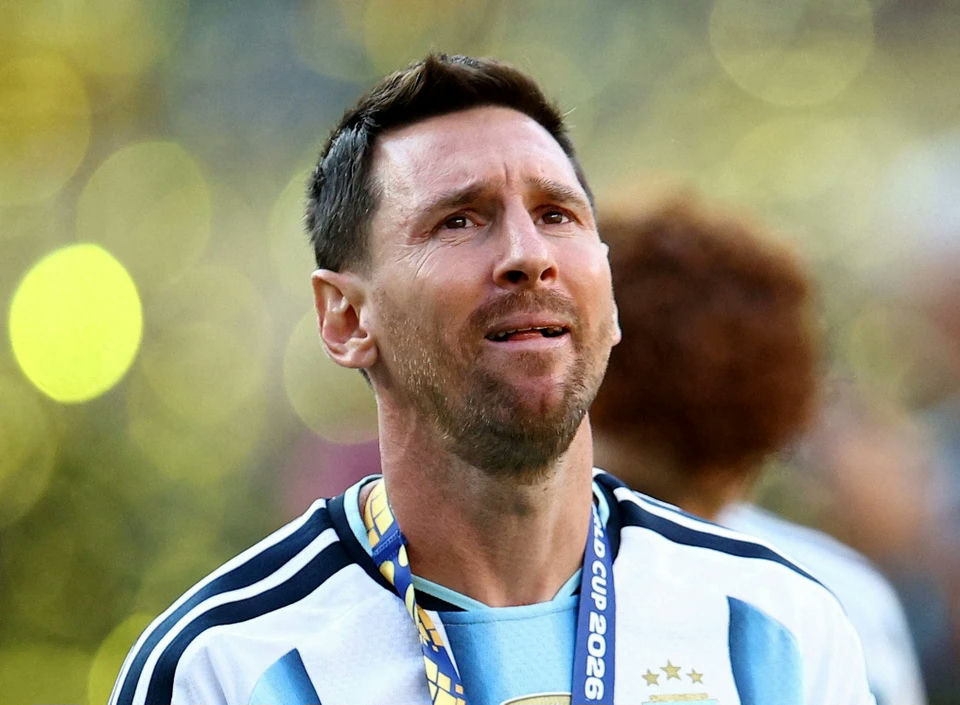
Lionel Messi‘s dejected walk off the pitch after Argentina’s 1-0 loss to Spain in the 2026 FIFA World Cup final may become one of the defining images of the tournament. Beyond the heartbreak of defeat, the match exposed Argentina’s biggest challenge: preparing for a future without its captain.
For nearly a decade, Lionel Scaloni has built Argentina around Messi’s unique qualities. Midfielders covered defensively to free him from tracking back, attackers created space for him, and the team’s attacking rhythm often depended on his creativity. The formula brought Argentina two Copa América titles, the 2022 World Cup, and another appearance in the final.
Against Spain, however, that system reached its limits. Rather than assigning a dedicated marker, Spain controlled the spaces around Messi while dominating possession. Forced to drop deeper to receive the ball, Messi found himself increasingly far from the penalty area, leaving Argentina without its main attacking threat in dangerous positions.
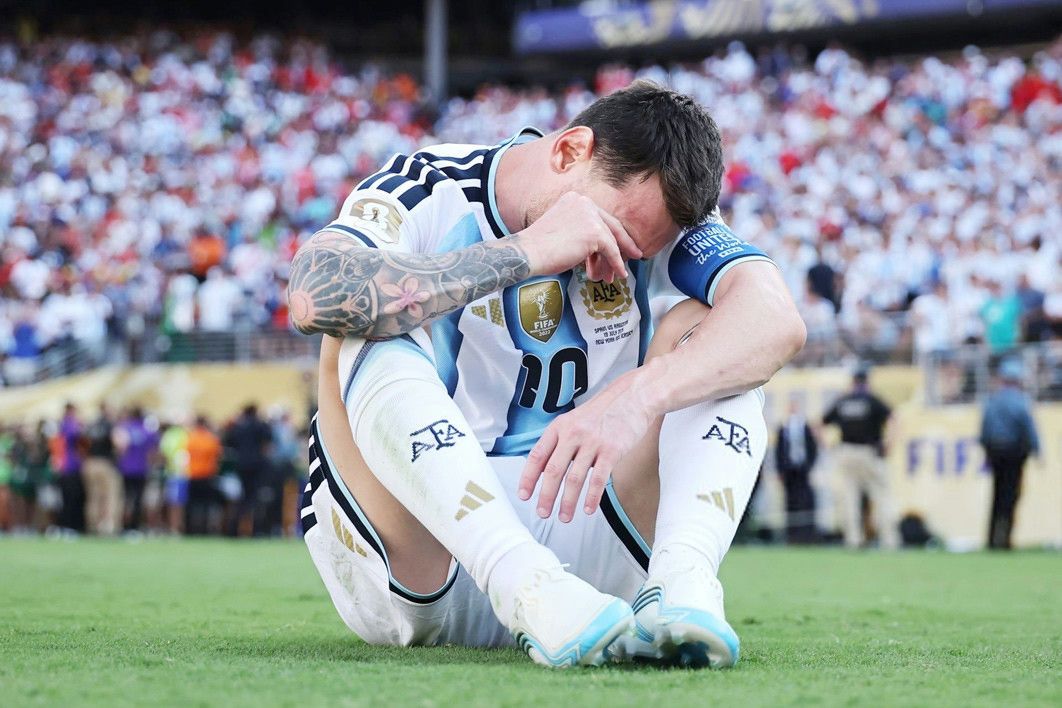
Julián Álvarez spent much of the match pressing and drifting wide, while the team lacked another player capable of delivering decisive passes in the final third. Whenever Argentina struggled, it seemed to wait for Messi to produce another moment of brilliance but against a disciplined Spanish side, that moment never came.
The final highlighted an issue that had been hidden by Messi’s extraordinary talent for years: when he cannot dictate the game, Argentina struggles to create chances through its overall structure. The answer is not finding “the next Messi.” Replacing his combination of goalscoring, creativity, vision, and leadership is simply unrealistic.
Instead, Argentina must evolve into a team that creates opportunities through collective play rather than individual inspiration. That means developing wingers capable of winning one-on-one duels, full-backs who consistently provide width, and a midfield that can control matches without relying on Messi dropping deep to orchestrate every attack.
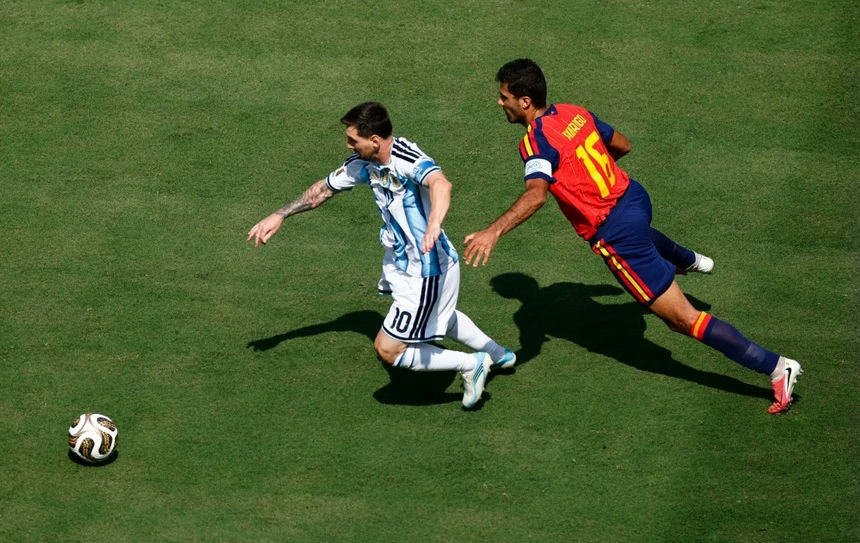
Julián Álvarez and Lautaro Martínez have the potential to lead the next generation, but both have spent most of their international careers playing alongside Messi. Scaloni must now determine how to maximize their partnership while identifying a new creative focal point.
Argentina’s transition isn’t only about replacing its greatest player. Much of the squad that formed the backbone of its recent success is also approaching the latter stages of its international career.
Veterans such as Nicolás Otamendi, Nicolás Tagliafico, Rodrigo De Paul, and Leandro Paredes are no longer in their prime, while several other key players will be in their thirties by the 2030 World Cup. Replacing their experience and leadership will be as significant as replacing Messi’s influence.
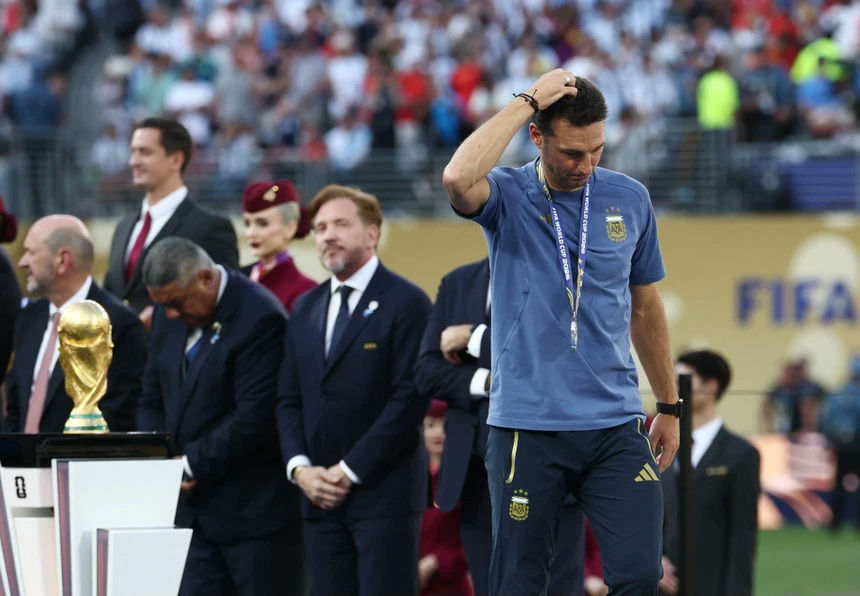
Scaloni successfully transformed Argentina into a united, resilient team built around one extraordinary player. That approach delivered the country’s greatest achievements in decades, but it also created a system heavily dependent on Messi.
Spain’s victory showed the contrast. Even when individual stars were contained, Spain’s collective structure continued to function. Argentina, by comparison, struggled once Messi was taken out of the game.
The defeat does not diminish what this generation accomplished. They restored Argentina to the top of world football and helped Messi complete his international legacy.
But every era comes to an end. Argentina now faces its biggest challenge yet: building a team capable of succeeding without relying on the greatest player in its history.
Sources: Znews
You must be logged in to post a comment.