
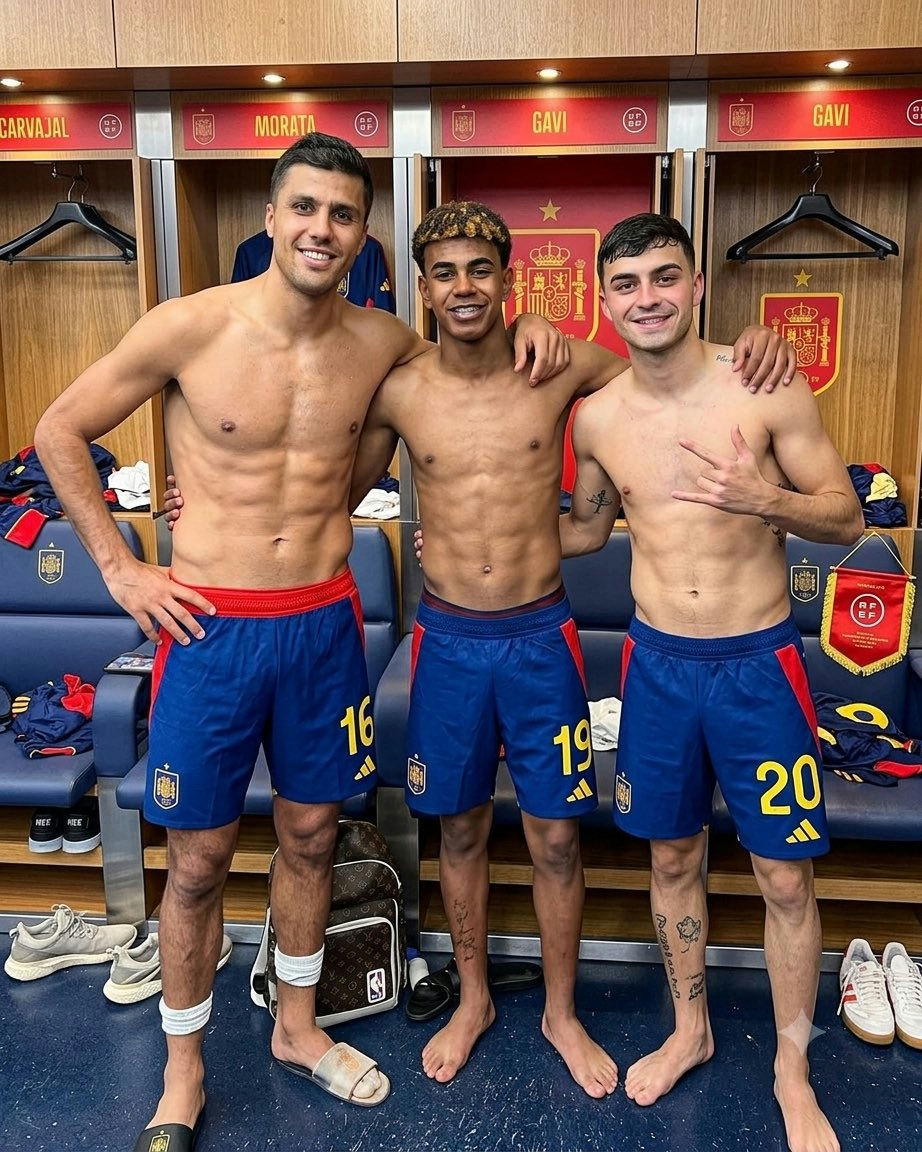
Spain and Italy have long been two of Europe’s most iconic footballing nations, sharing rich histories, passionate fan cultures, and multiple international triumphs. Yet in recent years, their trajectories have dramatically diverged.
While Spain reached the 2026 FIFA World Cup semifinals after winning UEFA Euro 2024, Italy watched another World Cup from home, marking an unprecedented third consecutive failure to qualify. The contrast raises an important question: why has Spanish football flourished while Italy continues to struggle?
Spain’s success is not simply the result of another golden generation. It is the product of a long-term strategy that began after disappointing tournaments in the early 2000s. The Royal Spanish Football Federation (RFEF), together with the country’s leading clubs, shifted their development philosophy. Rather than emphasizing physicality, academies prioritized: technical excellence, ball control in tight spaces, tactical intelligence, possession-based football and decision-making under pressure.
Although La Masia remains the most famous academy, clubs such as Real Madrid, Villarreal, Athletic Bilbao, Real Sociedad, and Valencia also invested heavily in youth development. As a result, players graduate with similar footballing principles, making transitions to the national team far smoother.
Spain have avoided the generational gaps experienced by many national teams. After legends including Xavi, Andrés Iniesta, Sergio Busquets, and David Silva, another wave of elite talent quickly emerged: Rodri, Pedri, Gavi, Dani Olmo, Nico Williams, Lamine Yamal and Pau Cubarsí.
Even during Spain’s relatively disappointing World Cup performances between 2014 and 2022, the country’s football philosophy continued to evolve through successful club football and modern coaching methods.
Spain has also become one of world football’s leading producers of elite managers. Names such as Pep Guardiola, Luis Enrique, Mikel Arteta, Unai Emery, Xabi Alonso, and Andoni Iraola have helped popularize: high pressing, positional play, flexible tactical systems and intelligent ball circulation. Their influence extends well beyond Spain, shaping football across Europe.
Meanwhile, Spanish clubs continue to compete at the highest level:
- Real Madrid remain Champions League specialists.
- Barcelona continue producing world-class academy graduates.
- Sevilla have dominated the Europa League.
That elite environment ensures Spanish internationals consistently gain experience in high-pressure competitions. The reward has been sustained success, culminating in the Euro 2024 title and another deep World Cup run in 2026.
Italy’s recent history paints a starkly different picture. Despite winning the 2006 FIFA World Cup and lifting Euro 2020, the Azzurri have failed to qualify for three consecutive World Cups—an unimaginable scenario for a four-time world champion. Club football has also declined. Since Inter Milan’s 2010 Champions League triumph, no Italian club has reclaimed Europe’s biggest prize.
Unlike Spain, Italy has never established a nationwide football philosophy. Serie A clubs continue to follow different developmental models, leaving young players with inconsistent tactical education before reaching the national team. Another major issue is Serie A’s reluctance to trust youth. Many coaches prefer experienced veterans in pursuit of immediate results, delaying opportunities for emerging talents.
By contrast, Spain has confidently handed major roles to teenagers such as Lamine Yamal, Pedri, and Pau Cubarsí, accelerating their development at the highest level.
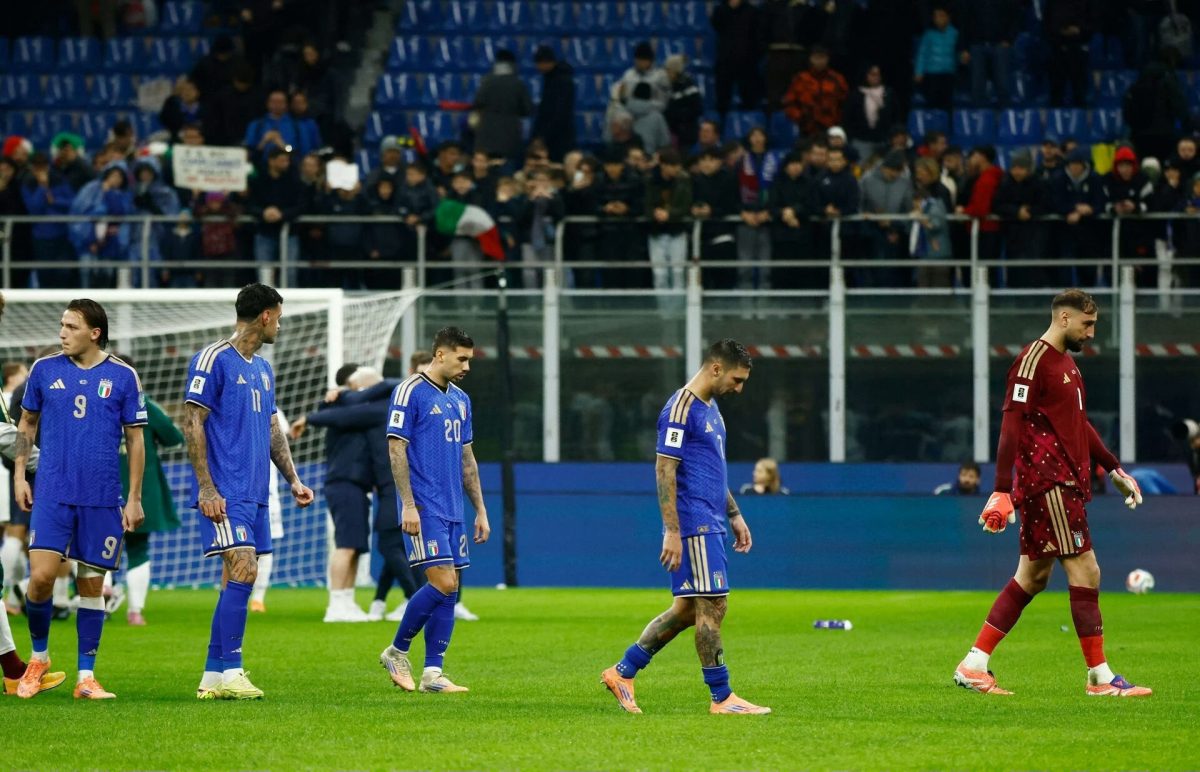
Italy’s historic strengths—defensive organization and tactical discipline—once dominated European football. Modern football, however, increasingly rewards: high pressing, fast transitions, technical midfield play and ball possession. Spain successfully adapted to these trends. Italy has struggled to evolve at the same pace.
Italy still possesses enormous footballing tradition, financial resources, and passionate supporters. But those strengths alone are no longer enough. To compete consistently with Europe’s elite again, Italian football may need to embrace reforms similar to those Spain implemented more than two decades ago:
- Build a unified youth development philosophy.
- Give young players meaningful first-team opportunities earlier.
- Modernize coaching methods and tactical education.
- Invest in long-term planning rather than short-term success.
Spain’s rise demonstrates that sustainable excellence comes from systems rather than individual stars. Until Italy undertakes a similar transformation, the gap between the two footballing powers is likely to remain.
Sources: Znews
You must be logged in to post a comment.