
There is a popular joke circulating in online communities: “At this point, being a K-pop fan should count as a full-time job.” It refers to fans who follow celebrities’ schedules everywhere, create content dedicated to their favorite stars, and even organize birthday cafés, subway advertisements, and fan events during artists’ birthday weeks.
Today’s idol fandom is no longer just a group of supporters quietly cheering from behind the scenes. It has long evolved into an independent community with its own culture, identity, and influence.
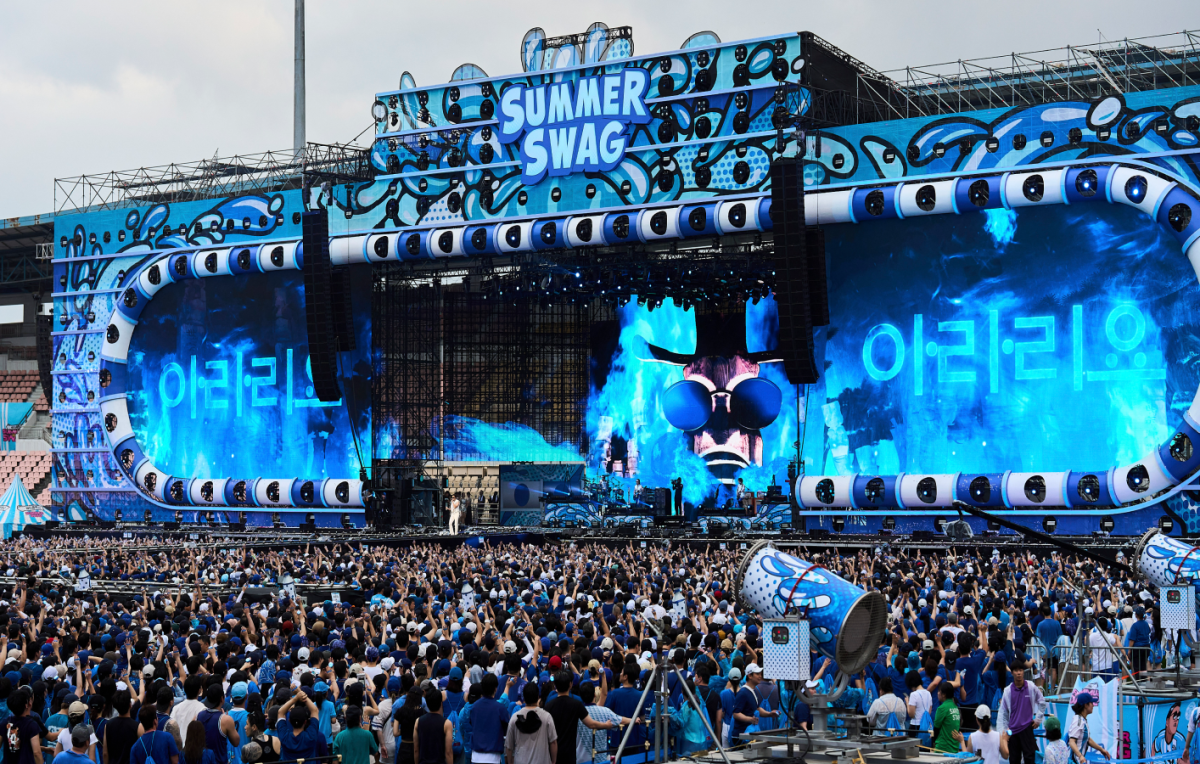
Now, television is finally bringing these fans to center stage.
Wavve will premiere its new idol fandom survival show Fandom Stage at the end of July. The program features contestants representing different fandoms as they compete in challenges inspired by real fan activities, with only one fandom emerging as the winner. Highlight member Yoon Doo-joon will serve as the host.
This is not the first time K-pop fandoms have appeared on television. However, it is effectively the first time they have been positioned as the main characters rather than simply being observed.
In reality, fandoms form the backbone of the K-pop industry.
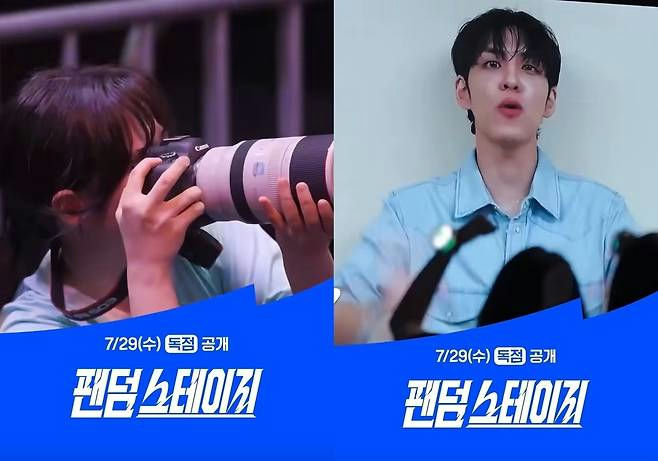
According to Circle Chart, cumulative K-pop album sales (Top 400 releases) in 2025 are expected to reach around 90 million copies. A physical album market of that scale would be impossible without repeated purchases made by dedicated fandoms.
Corporate earnings tell the same story. According to financial disclosures, HYBE recorded consolidated revenue of KRW 2.6499 trillion in 2025, a 17.5% increase from the previous year and the company’s highest annual revenue ever. Concert revenue jumped 69.4% to KRW 763.9 billion, while merchandise and licensing revenue rose 35.8% to KRW 570.5 billion. Ticket sales, merchandise, and membership subscriptions the categories driving growth all come directly from fandom spending.
Fans also serve as unpaid marketers. From promoting new songs and organizing streaming campaigns to creating subtitles for international audiences, much of K-pop’s global promotion is carried out by fandoms without compensation from entertainment companies.
The fact that K-pop fandoms are finally stepping out of artists’ shadows and becoming the focus of a television program is undeniably meaningful. However, the announcement has also sparked concerns across social media.
The biggest question raised is whether the show can genuinely improve public perceptions of K-pop fandom culture.
K-pop itself has become mainstream, but being deeply devoted to idols is still often viewed as part of a subculture. Since many fandoms consist largely of young women, fans have long been subjected to dismissive stereotypes and derogatory labels in Korean society.
Critics worry that placing fans’ passionate hobby on television could reinforce those stereotypes instead of challenging them.
Another point of interest is how Fandom Stage will handle aspects of fandom culture that exist in what many describe as a “gray area.”
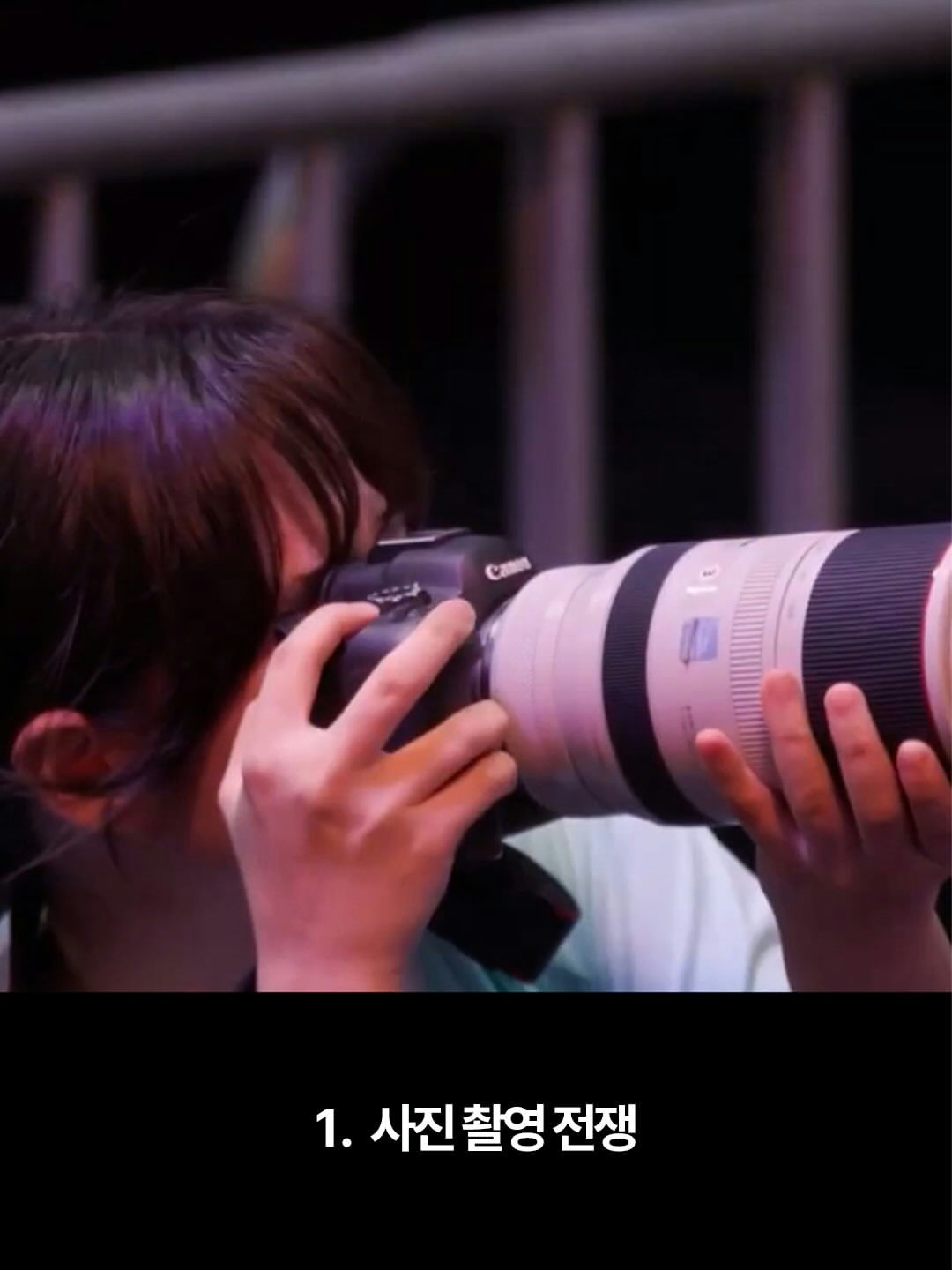
One teaser released on Wavve’s official social media accounts shows fans competing while carrying large professional cameras, commonly known as “bazookas” within fandom culture.
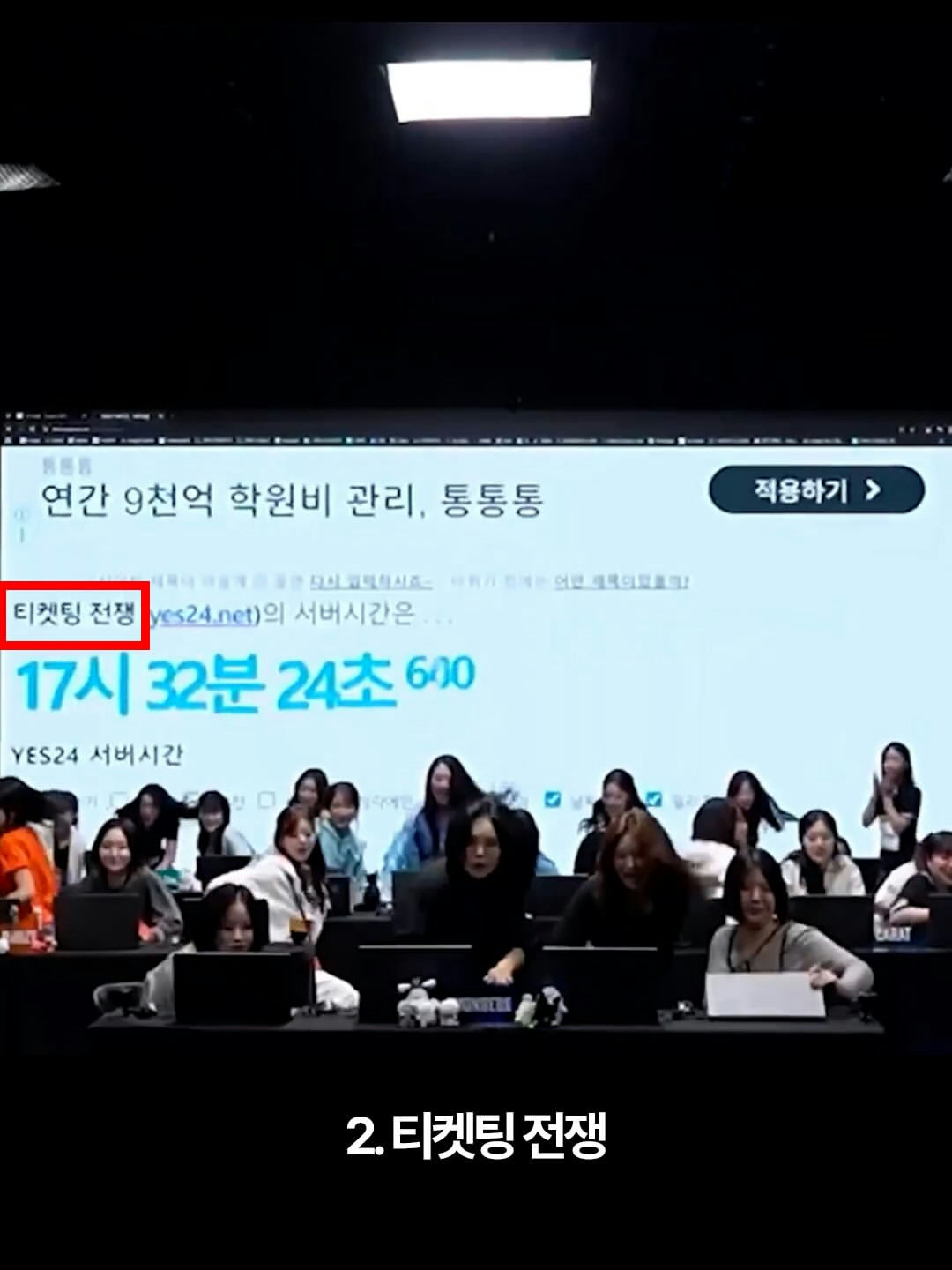
These cameras symbolize one of the industry’s most controversial issues.
Professional photography equipment is prohibited at most K-pop concerts today. Venue staff inspect bags before entry, and anyone caught using such equipment during a performance may be removed from the venue. Conflicts between entertainment agencies and dedicated fan photographers often called “master fans” have become a recurring topic at concerts.
Ironically, photos taken by these fans frequently become some of the most effective promotional material available. Their images spread rapidly across online communities, attracting attention and even helping recruit new fans.
Airport photography presents a similar dilemma. Fan photographers often discover unpublished flight schedules and capture idols arriving or departing, creating privacy concerns for both artists and their agencies. Yet at the same time, these airport photos generate enormous publicity for artists’ fashion and overseas activities.
The exact nature of the photography challenge shown in Fandom Stage remains unknown. Some offline events, such as fan signings, still permit professional camera equipment.
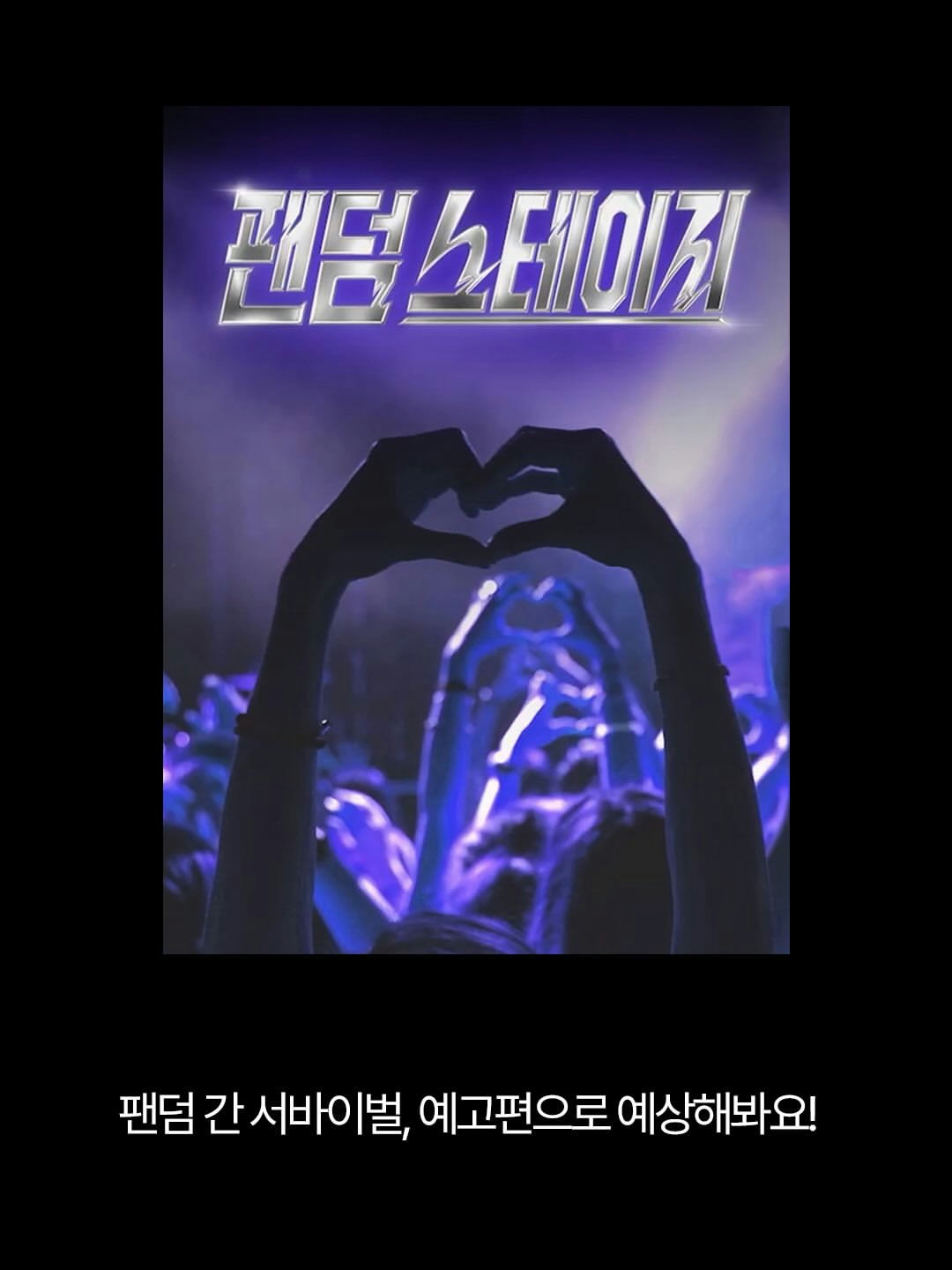
Nevertheless, large-camera photography remains part of the fandom culture that many see as existing within an “implicitly tolerated” gray area. Viewers are eager to see how the program portrays these activities.
Fandom Stage is an entertainment show, not a documentary. It cannot be expected to solve the long-standing dilemmas surrounding K-pop fandom culture—and it does not need to.
However, if the show merely presents fans as an amusing spectacle by saying, “Look how dedicated they are,” it may ultimately feel like a missed opportunity. With such a fresh concept, many are hoping the series delivers something equally meaningful.
Sources: Daum
You must be logged in to post a comment.