
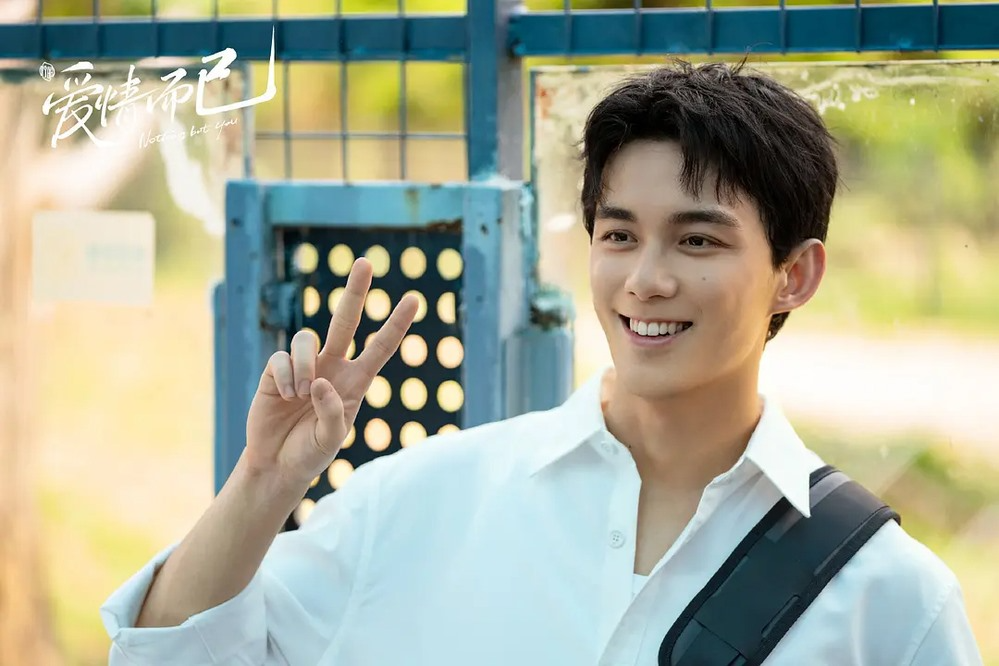
Few child actors have successfully transitioned into leading stars, but Leo Wu has managed to do exactly that.
Known to many viewers as the adorable young actor who played Nezha in the 2007 adaptation of The Investiture of the Gods, Leo Wu has grown into one of China’s most recognizable and popular actors. However, his journey has not been without challenges, controversies, and the pressure of overcoming the “child star curse.”
Born in Shanghai in 1999, Leo Wu entered the entertainment industry at an incredibly young age. By the age of three, he had already appeared in more than 50 commercials, quickly attracting attention with his bright personality, confidence in front of cameras, and natural acting ability.
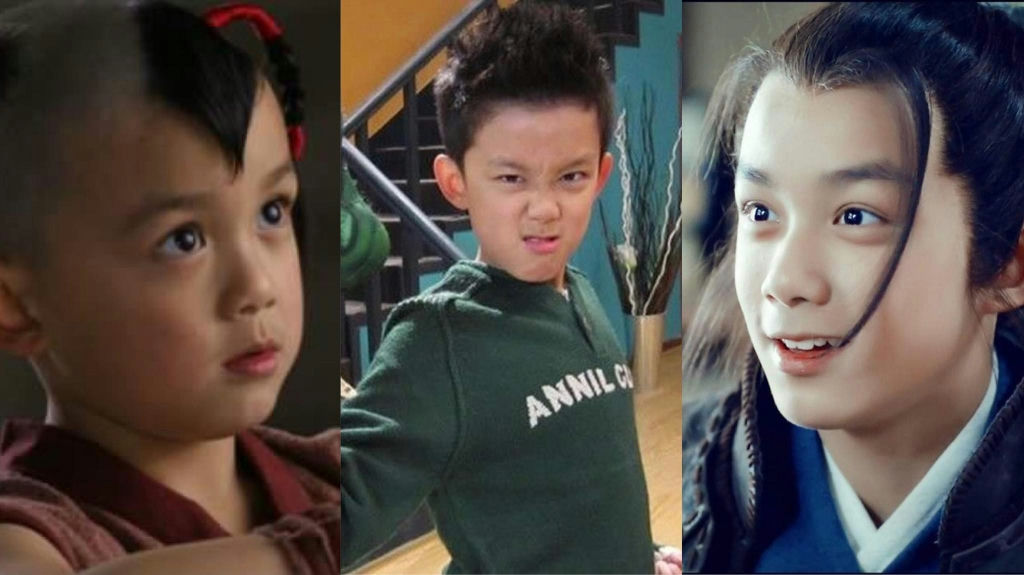
His popularity as a child actor led to numerous opportunities, and at certain points in his early career, he reportedly appeared in as many as ten productions in a single year.
Before becoming widely known as Nezha, Leo Wu also appeared in several television dramas, including The Senior General Chen Geng, Everlasting Regret, The Young Warriors, Five Disciples of Master Huang.
Leo Wu’s breakthrough came when he portrayed Nezha in The Legend and the Hero alongside veteran actors Fan Bingbing and Ma Jingtao. His charming portrayal of the legendary character earned him widespread recognition and established him as one of China’s most beloved child actors.
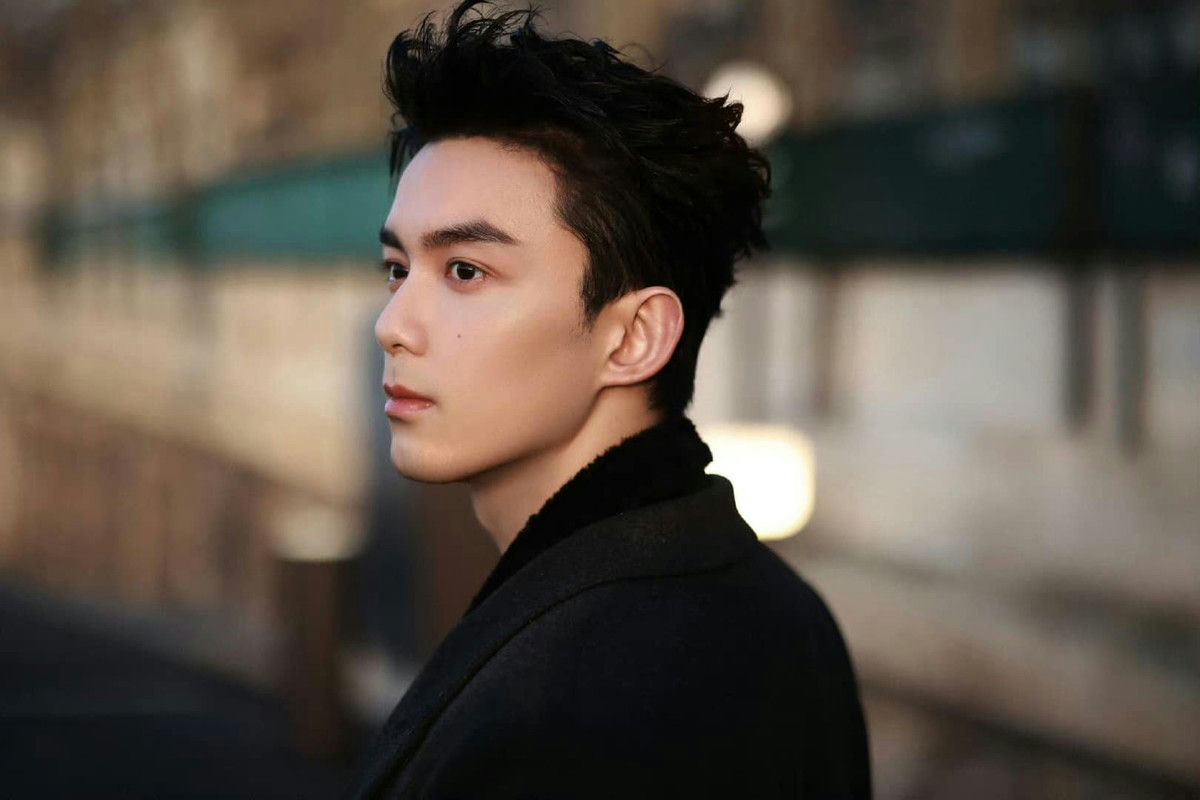
However, early success came with a downside. For nearly a decade, Leo Wu found himself repeatedly cast as teenage characters or younger versions of established male leads. While audiences loved his youthful image, it became increasingly difficult for him to break free from it.
As he entered his teenage years, critics began questioning whether Leo Wu could successfully transition into adult roles. During this period, many observers felt that he was falling behind fellow young actors such as Liu Haoran and Jackson Yee. Some even predicted that Leo Wu would become another example of a child star unable to sustain long-term success after growing up.
Things began to change in 2014 when Leo Wu gained attention through projects such as The Romance of the Condor Heroes, The Whirlwind Girl and Pal Inn. His true breakthrough arrived in 2015 with his appearance in the acclaimed historical drama Nirvana in Fire. The role allowed audiences to see a more mature side of the actor and helped him shed the image of being merely a former child star.

Leo Wu’s growing influence was recognized internationally in 2017 when he was included in Forbes China’s list of influential young people under 30. The following year, he achieved another major milestone by earning the highest entrance examination score among acting applicants at Beijing Film Academy. His academic success further strengthened his reputation as one of the most promising talents of his generation.
As Leo Wu matured, audiences witnessed a dramatic transformation. No longer the mischievous child actor they remembered, he developed a more masculine image, athletic physique, and leading-man charisma. His popularity earned him the nickname “Nation’s Little Brother,” reflecting his widespread appeal among Chinese audiences.
Despite his generally positive reputation, Leo Wu has faced several controversies throughout his career.

In 2016, Wu Lei became the subject of rumors involving actress Joe Chen. A blogger alleged that the two had been living together for over a year despite their significant age difference. Both stars publicly denied the claims, but the speculation nevertheless generated considerable media attention.
In 2020, Leo Wu found himself at the center of another controversy involving the drama A League of Nobleman. Reports claimed that his mother had pressured producers to place Leo Wu’s name ahead of actor Jing Boran in promotional materials despite both actors having similarly important roles. The alleged dispute led to criticism from industry insiders and fans alike, with some accusing Leo Wu’s team of prioritizing status over collaboration. The controversy reportedly affected his standing with certain production companies and generated significant discussion online.
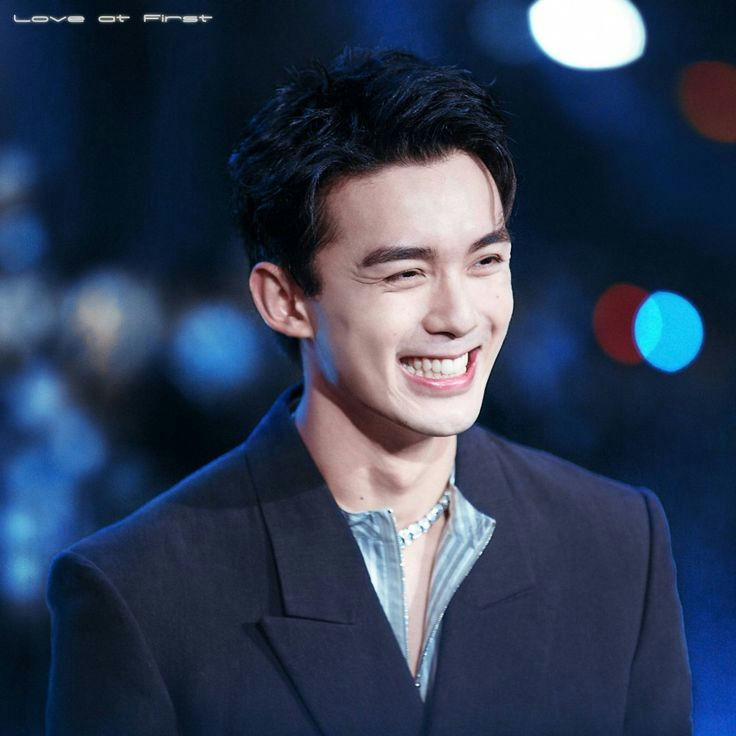
Fortunately, Leo Wu managed to move past these controversies through consistent performances and successful projects. His career reached another high point in 2021 with the hit historical drama The Long Ballad, where he starred opposite Dilraba Dilmurat. Although younger than his co-star, Leo Wu impressed viewers with his mature screen presence and convincing performance. The drama became one of the biggest successes of his career and further cemented his position as a leading actor.
Now in his late twenties, Leo Wu has successfully completed one of the most difficult transitions in the entertainment industry from child star to respected leading man. With his striking appearance, athletic physique, and steadily improving acting skills, he continues to be one of the most popular actors among China’s younger generation. For many fans, the mischievous little Nezha of the past has transformed into one of Chinese entertainment’s brightest stars.
Sources: Znews
You must be logged in to post a comment.