
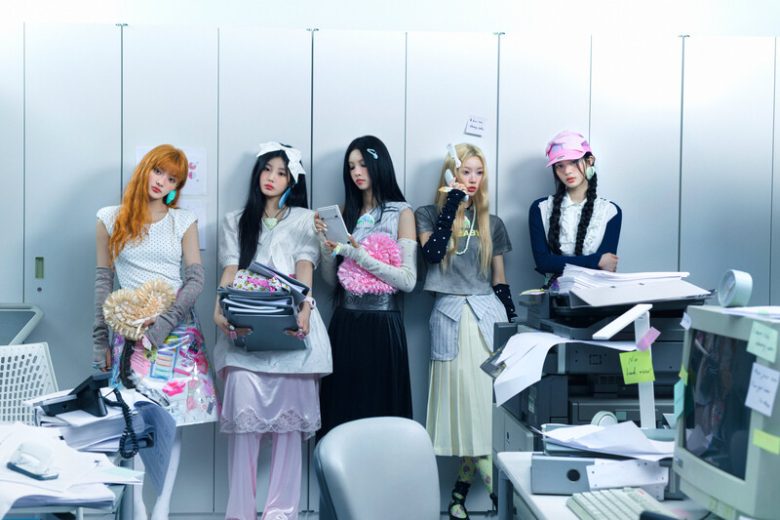
In the K-pop industry, the concept of an “era” has long been a core element in shaping a group’s artistic identity. Each comeback is not merely the release of new music, but the beginning of a completely distinct chapter defined by a carefully crafted image, concept, and sound.
However, while reinvention is a universal requirement for all artists, experts point out that girl groups and boy groups operate under very different pressures and development strategies.

According to journalist Fefo Caires, girl groups often deal with unstable public reception, turning every comeback into a high-stakes gamble. She noted, “Girl groups are always walking a tightrope. Every return is a challenge, and reinvention can sometimes be a matter of survival.”
Meanwhile, content creator Carol Pardini argues that the market itself has created different expectations for the two models. For girl groups, each comeback functions almost like a full-scale “rebranding campaign,” forcing them to constantly evolve in order to maintain relevance.
In contrast, boy groups tend to build their image through continuity and long-term development. They often maintain a consistent conceptual foundation, expanding their narrative and style over time to create a cohesive artistic journey.

Another crucial factor lies in audience response. Girl groups are more frequently compared and are highly sensitive to rapidly shifting trends. Boy groups, on the other hand, typically benefit from more stable fandoms, allowing them to develop a more sustainable and consistent image over time.
As competition in K-pop intensifies, artists are challenged to stand out while still preserving the elements that once made them successful. This creates a delicate balancing act. As Fefo Caires explained, “You have to be different, but not stray too far from what worked. It’s an incredibly fragile balance.”
K-pop is now entering its so-called “fifth generation,” referring to groups debuting from 2023 onward. In this fast-paced environment, establishing a clear identity from the outset has become more difficult than ever.

Some groups choose to build a consistent identity from debut. For instance, ILLIT embraces a dreamcore aesthetic with soft, surreal, and delicate tones, creating a distinct signature.
Others, like BABYMONSTER, take a more flexible approach, experimenting with a range of concepts from bright and youthful to bold and powerful as they search for the identity that best fits them.
On the boy group side, the trend of building interconnected “universes” remains dominant. Groups such as ATEEZ, ENHYPEN, and Stray Kids often develop storylines that link multiple comebacks, forming a continuous and immersive narrative.
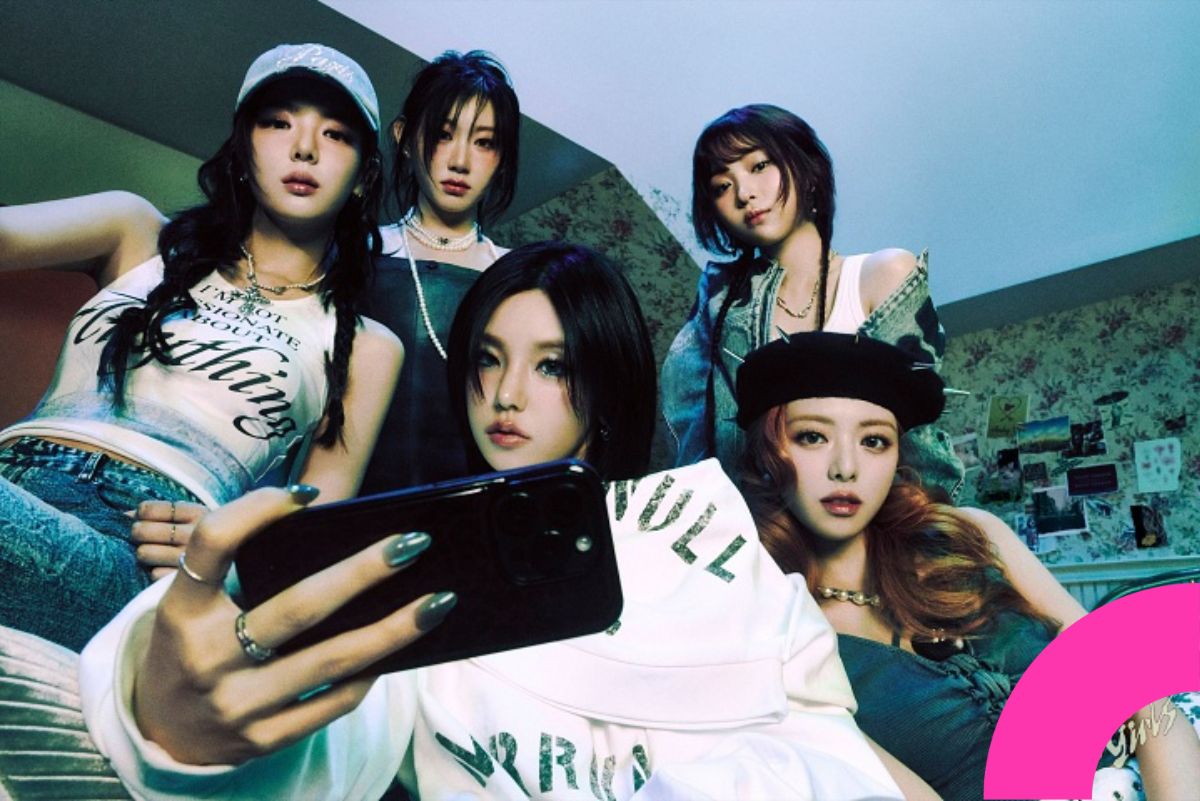
Meanwhile, many girl groups like ITZY and LE SSERAFIM showcase noticeable transformations with each release, from visuals to musical direction, highlighting a more adaptive and flexible strategy.
Ultimately, the evolution of “eras” in K-pop reflects an ongoing search for balance between innovation and identity. There is no longer a single formula for success, and each group must carve out its own path whether through consistency or constant reinvention.
It is precisely this diversity that defines K-pop’s unique appeal: an ever-evolving industry where every comeback is not just about music, but a statement of identity and a strategy for survival.
Sources: Saostar
You must be logged in to post a comment.