

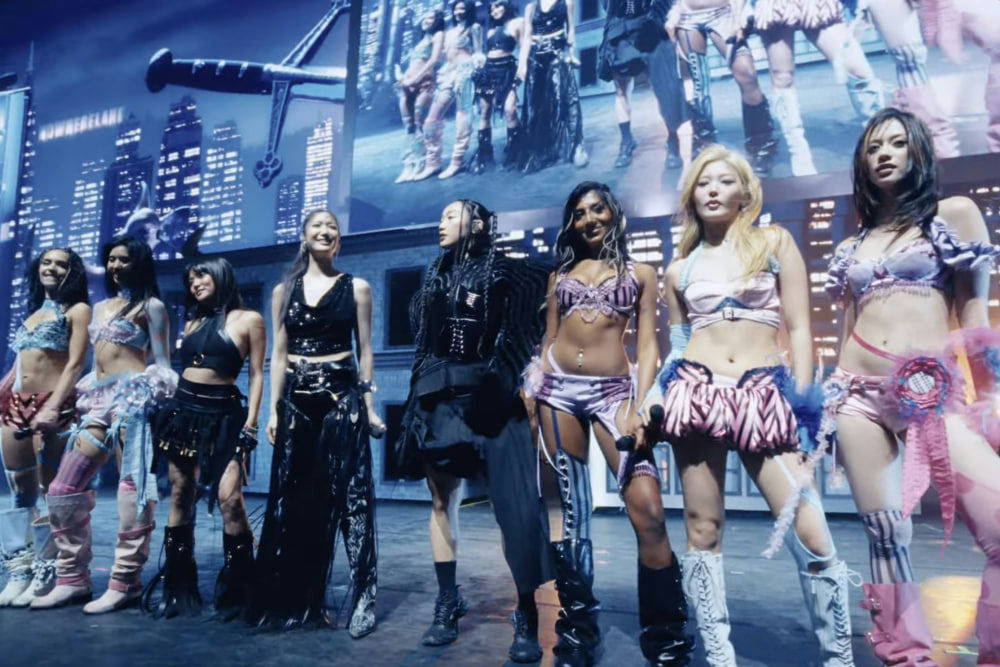
At Coachella Valley Music and Arts Festival 2026, the Sahara stage witnessed one of its most explosive moments and at the center of it all was KATSEYE.
With a high-energy 11-track setlist, the group transformed the desert into a full-scale pop spectacle, drawing an estimated crowd of up to 50,000 people. Songs like “Gnarly,” “M.I.A,” and especially “Pinky Up” turned the atmosphere electric, pushing the performance far beyond a typical festival stage.
But what followed was even more remarkable.
Almost instantly, “Pinky Up” took on a life of its own online. The performance video surged to nearly 5 million views within just four days, while the official music video quickly surpassed 16 million views. On Spotify, the track staged an impressive climb from #83 to #18 on the Global chart while breaking into the Top 10 in the U.S., marking a career-defining moment for the group.

Ironically, this surge in popularity unfolded alongside a wave of criticism.
Clips circulating across social media pointed out moments of vocal instability during demanding choreography-heavy performances. Some viewers argued that the group relied too heavily on backtrack, especially in tracks like “Gnarly” and “Gabriela.” The absence of member Manon also left a noticeable gap, adding to concerns about balance on stage.
Yet instead of slowing them down, the controversy seemed to amplify their reach.

Another defining highlight came when KATSEYE performed “Golden,” joined by original artists EJAE, Rei Ami, and Audrey Nuna. The collaboration created a striking contrast in both sound and visuals, with the group’s bright, stylized outfits set against the darker, edgier presence of their guests. The moment resonated instantly, racking up nearly 20 million views on Coachella’s official social platforms and becoming one of the festival’s most-watched clips.
Behind this breakout moment lies a larger story.
KATSEYE is not just another girl group it is a global project born from the collaboration between HYBE and Geffen Records. Designed to merge Western pop sensibilities with the K-pop training system, the group represents a new direction for the industry one where global identity takes center stage.
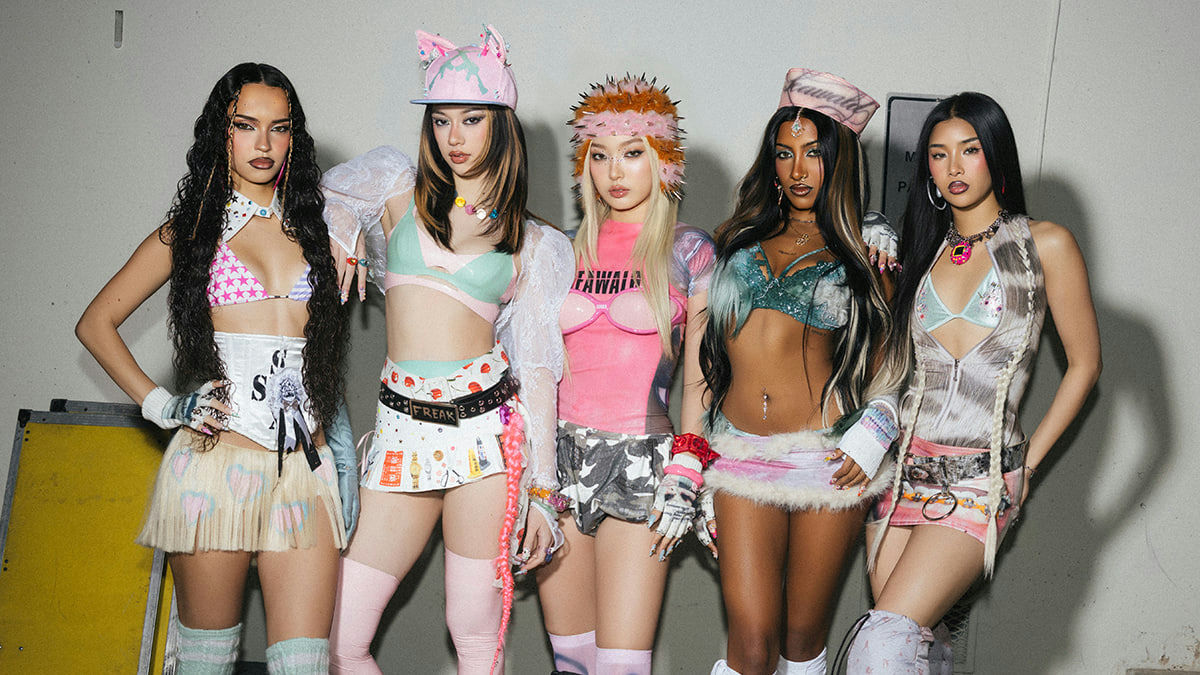
Since debuting in 2024, KATSEYE has grown rapidly, fueled by viral hits and a strong international fanbase. However, their rise has not been without friction. Critics have increasingly questioned the group’s musical direction, pointing to a shift toward formulaic, “over-produced” tracks that risk diluting their artistic identity.
Still, Coachella 2026 proved one thing clearly: perfection is no longer the defining metric of success.

KATSEYE may not have delivered a flawless performance, but they achieved something arguably more powerful they captured attention on a global scale. In today’s music landscape, where virality often outweighs technical precision, that kind of impact can be the difference between fading out and breaking through.
And right now, KATSEYE is doing exactly that.
Sources: K14,Billboard
You must be logged in to post a comment.