
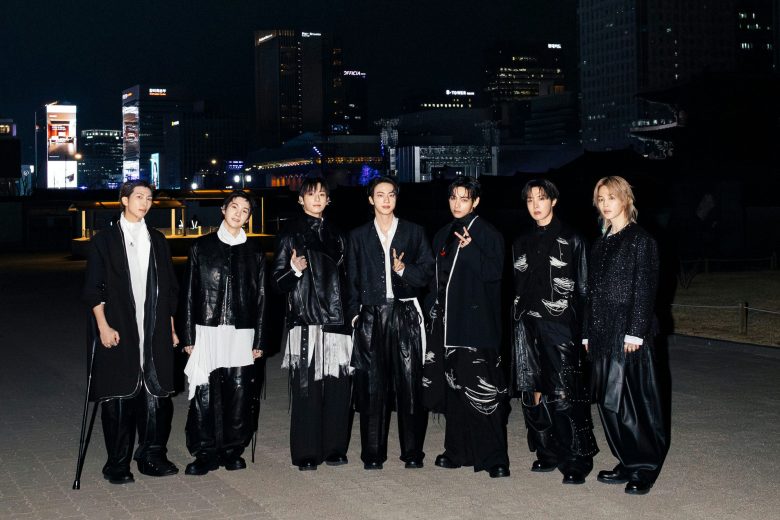
“On weekends, my store usually makes around 6 million won. But because of the BTS concert, subways didn’t stop and buses were rerouted only one table was filled. Who exactly was this festival for?”
In the aftermath of BTS’s Gwanghwamun comeback performance, frustration from nearby small business owners has been pouring out both online and offline. While initial projections promised massive economic benefits worth hundreds of billions of won, many merchants within the restricted zones instead faced a dramatic drop in sales due to strict control measures imposed by authorities.

On March 23, numerous testimonies from business owners around Gwanghwamun flooded local online communities and social media. A restaurant owner near City Hall lamented, “I don’t know how long we’re supposed to endure this. Business has become impossible.” Another restaurant owner in the area shared, “Due to traffic restrictions, even office workers from nearby companies either didn’t come to work or left early. Our lunch business collapsed, and even our last reservation was canceled, forcing us to temporarily close.”
The retail sector, including convenience stores, reported similar struggles. While some stores outside the barricaded zones saw a surge in sales, those trapped within restricted areas suffered significant losses. A widely circulated post showed a convenience store near Gwanghwamun that had stocked up on 200 kimbap rolls in anticipation of high demand, only to sell five. The store owner commented, “It’s a complete disaster.”

The main cause of the collapse in local business activity has been attributed to strict crowd control measures by organizers, including Netflix and HYBE, along with the police. Authorities enforced subway non-stop operations and blocked Sejong-daero for 33 hours to prevent potential crowd accidents. One attendee described the experience: “Security checks felt like airport-level inspections. Even candy and chocolate were banned only water was allowed. With such restrictions, how could people buy anything nearby?”
The heavy restrictions also discouraged ordinary citizens from visiting the Gwanghwamun area altogether, resulting in lower foot traffic than a typical weekend—an unexpected outcome for such a large-scale event.

Initially, authorities had anticipated a crowd of 260,000 to 290,000 people. However, actual attendance fell short, with estimates from the Ministry of the Interior and Safety placing the number at around 70,000.
Criticism has also emerged regarding the privatization of public resources. Some argue that despite mobilizing significant public funds, manpower, and administrative power to control central Seoul, the economic benefits were largely reaped by private companies such as Netflix and HYBE. Meanwhile, local residents and small business owners bore the burden without tangible gains.
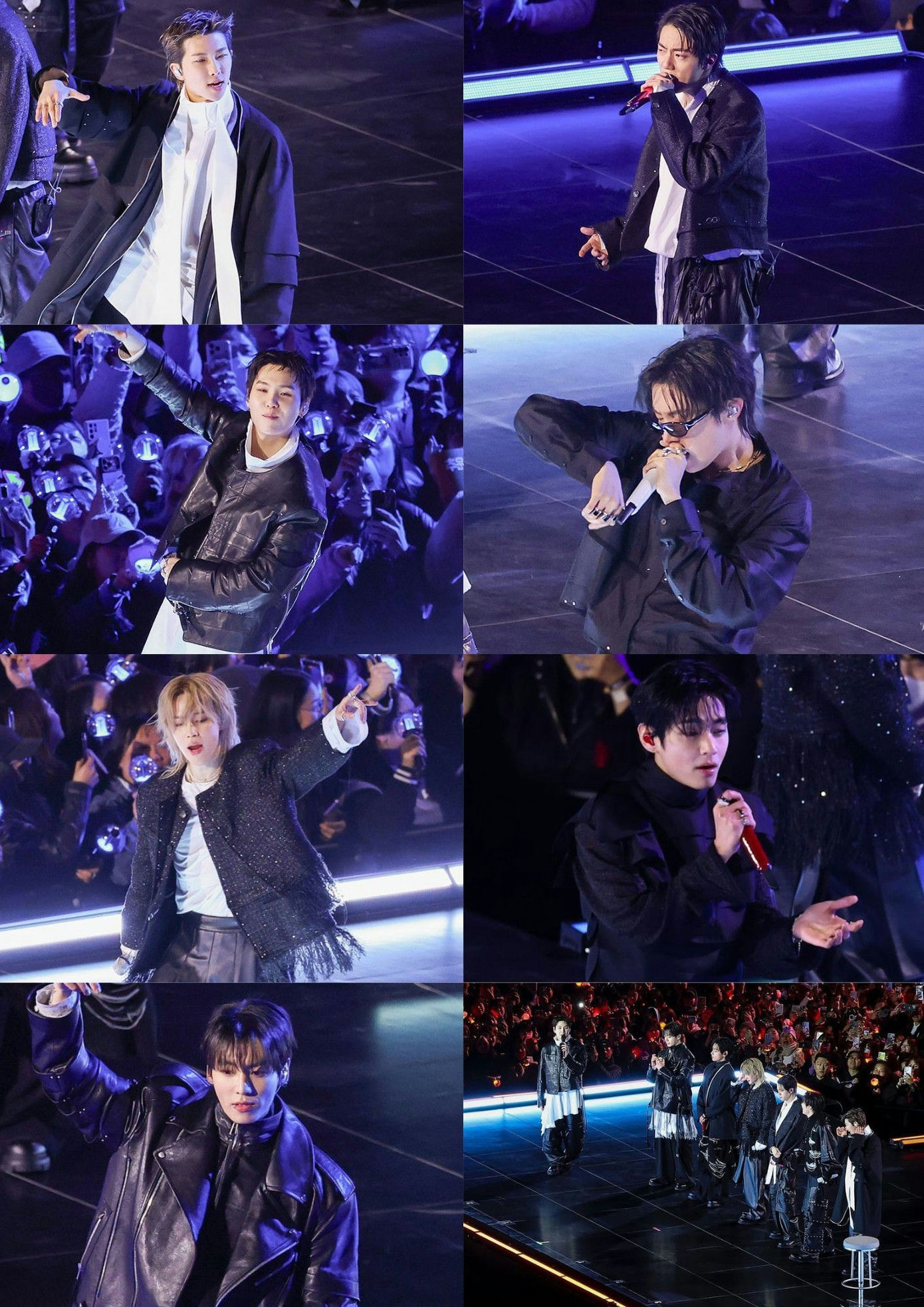
In response to the backlash, both HYBE and BTS member RM issued apologies. On March 21, RM wrote on the fan platform Weverse, “We sincerely apologize and thank the citizens, local merchants, and workers in the Gwanghwamun area for enduring the inconveniences caused by traffic control and noise.”
HYBE also released a statement on March 22, saying, “To safely carry out a globally broadcast event, unavoidable measures such as traffic restrictions and security checks were necessary. We extend our apologies and gratitude to the citizens, merchants, workers, and visitors in the Gwanghwamun area.”
As debates continue, the Gwanghwamun comeback performance has sparked broader discussions about balancing large-scale entertainment events with the livelihoods of local communities.
Sources: Naver
You must be logged in to post a comment.