

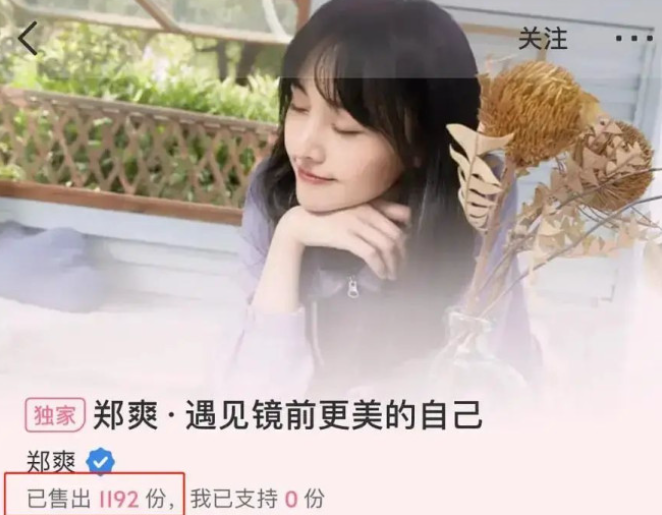
In recent days, Zheng Shuang attempted to reappear on social media by opening a new personal account. However, the account was swiftly locked by the platform, triggering widespread discussion online. According to netizens, the shutdown was the result of mass complaints accompanied by crucial evidence: an official blacklist document issued in 2021 by China’s National Radio and Television Administration (NRTA).
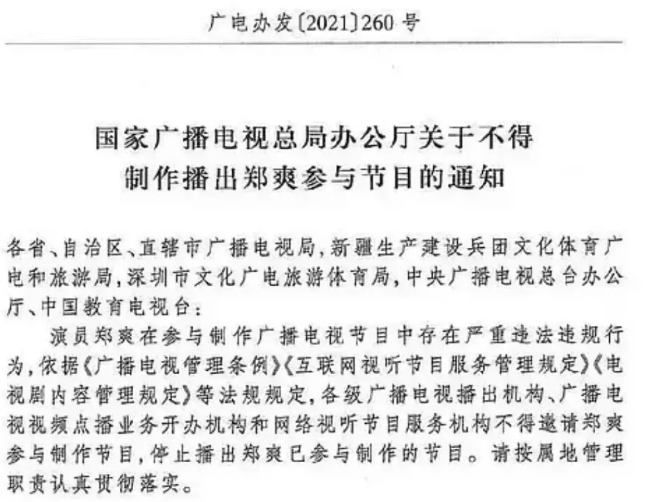
Screenshots circulating online show alleged exchanges between users and platform customer service representatives, which inadvertently revealed details of the ban. The 2021 document reportedly states that Zheng Shuang committed serious violations of both law and public morality. As a result, all broadcasting organizations and online platforms were ordered not to invite her to participate in any productions and to immediately halt the distribution or rebroadcast of works involving her.
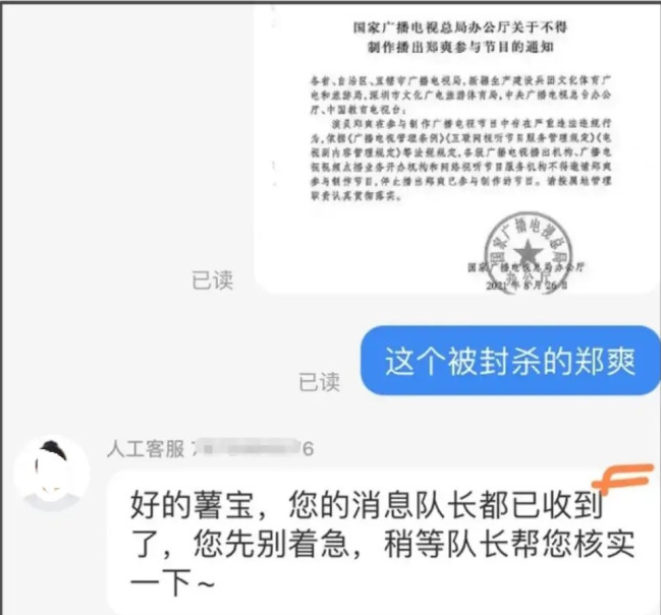
The resurfacing of this document has effectively confirmed what many in the public had long believed. Zheng Shuang is widely considered the first Chinese celebrity to be “blacklisted with absolute clarity,” backed by a formal written directive. Until now, the full contents of the ban had rarely been exposed to the public.
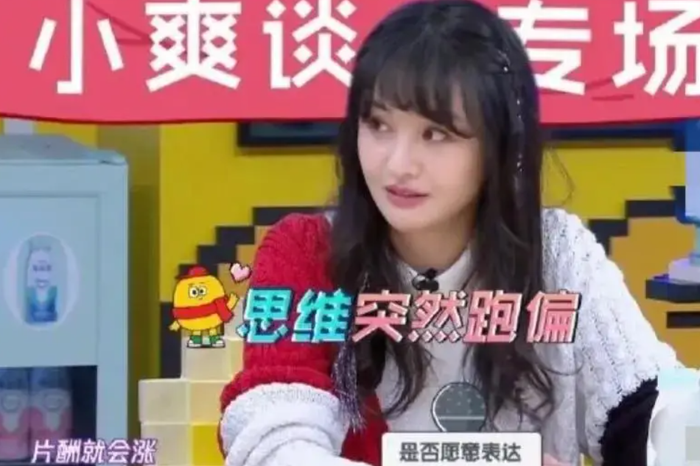
Despite this, some voices online continue to defend the actress, portraying her as a misunderstood figure or imagining a future comeback. However, industry observers note that such a scenario is virtually impossible. While China’s entertainment industry evolves rapidly, it shows little tolerance for artists implicated in multiple severe legal and ethical scandals.
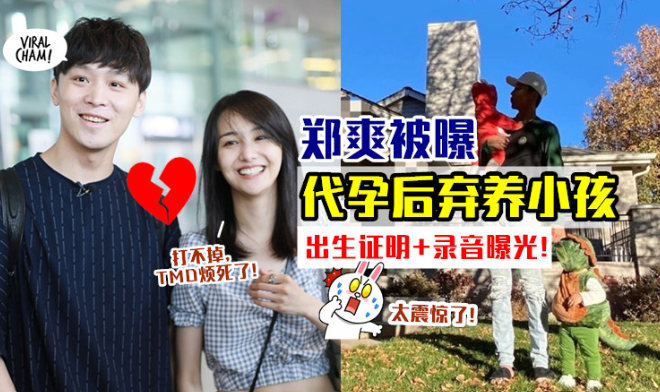
Zheng Shuang’s controversies include illegal surrogacy, tax evasion, exorbitant acting fees, alleged “yin-yang contracts,” and accusations of abandoning her children—each offense serious enough to warrant independent investigation. Together, they marked one of the most dramatic downfalls in modern C-entertainment history.
Before her blacklist, Zheng Shuang had already faced criticism for unprofessional behavior, emotional instability on variety shows, and controversial conduct during livestream commerce. Rather than avoiding controversy, she was often accused of leveraging it to gain attention and increase her market value, reinforcing public perception that she prioritized fame and money over her craft as an actress.
Public outrage reached its peak following leaked audio recordings related to the surrogacy scandal, in which Zheng Shuang was alleged to have expressed disturbing views about her unborn children. For many, this crossed an irreversible moral line and erased any remaining goodwill toward the former “youth drama goddess.”
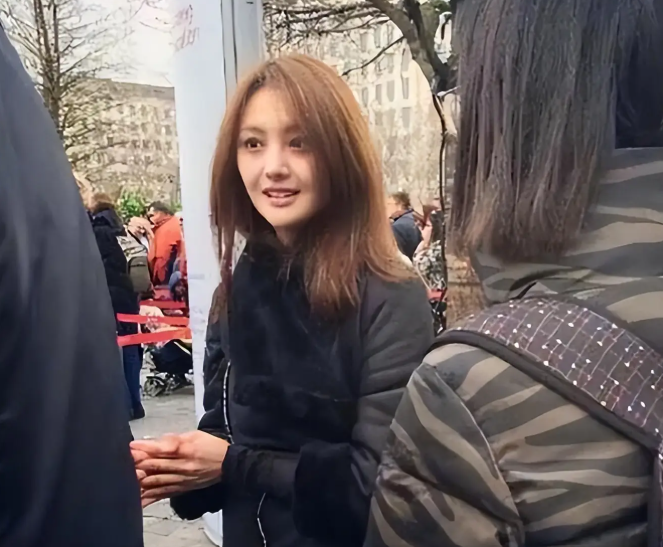
After being removed from China’s entertainment scene, Zheng Shuang relocated to the United States. Even then, controversies continued to follow her, including a highly publicized custody battle and allegations surrounding her children’s safety. Meanwhile, she has repeatedly attempted to re-enter the Chinese market through studio accounts, short-form dramas based on her personal life, and potential monetized content—efforts that have consistently been met with public backlash and platform restrictions.
As of now, the NRTA’s blacklist order remains fully in effect. The decisive action taken by platforms to block Zheng Shuang’s accounts signals that the door to her return to Chinese film and television is effectively closed.
For both industry professionals and audiences, the case of Zheng Shuang has become more than the story of a fallen star—it stands as a stark reminder that fame and influence cannot override the boundaries of law and basic moral responsibility.
You must be logged in to post a comment.