

A newly released biography offers a rare and detailed look into the life of Pavel Durov, the founder of Telegram, portraying him as a complex figure who embodies both technological brilliance and deep controversy. To his admirers, Durov is a visionary innovator and a symbol of absolute freedom of speech. To his critics, he is an unpredictable power broker whose radical beliefs have created serious ripple effects across the global digital landscape.
The book seeks to help the public better understand the man behind Telegram, a messaging platform now used by more than one billion people worldwide.
Titled The Populist, the biography is written by Russian independent author Nikolay Kononov. It traces Durov’s journey from an exceptionally gifted student in Saint Petersburg to the founder of one of the most influential communication platforms of the modern era. According to Kononov, the book is the result of 14 years of research, based on direct conversations with Durov as well as testimonies from former colleagues, rivals, and outspoken critics.
Unchanged
Explaining the title of the book, Kononov argues that Durov’s defining trait throughout his career has been his desire to communicate directly with users, without relying on the press or any intermediary institutions.
“From the very beginning of creating technology products, Durov designed them in a way that allowed him to convey his worldview and messages directly to millions of people,” Kononov noted.
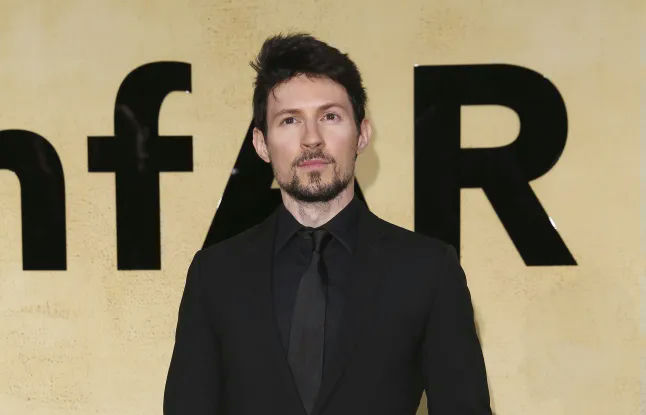
Both VKontakte Durov’s first major project and Telegram later featured messages sent directly from the founder to the entire user base, sharing his personal philosophy and beliefs about individual freedom.
This strategy helped establish Durov as a near-absolute defender of free expression, while also turning Telegram into a platform used by a wide range of groups, from social activists to highly controversial figures.
Despite his public emphasis on personal freedom, Kononov points out that Durov runs Telegram with an extremely centralized power structure.

“All major decisions regarding product development, public communication, and long-term direction are made by him alone,” the author writes. “Telegram is essentially a one-man show.”
According to the book, Durov is a founder whose beliefs have barely changed over time. He remains deeply committed to radical libertarian ideology, opposing institutional intervention and maintaining skepticism toward traditional systems of authority.
“What surprised me most was that over many years, Durov has hardly changed at all,” Kononov shared.
Not an Exception
The author also places Durov within the broader context of global tech tycoons figures who combine technological power with carefully cultivated, almost mythical personal images.
Like many famous tech entrepreneurs, Durov is deeply invested in ascetic living, physical health, and longevity. He avoids alcohol and drugs, frequently shares fitness advice, and occasionally posts photos highlighting his muscular physique on social media.
Durov has also openly stated that he has fathered many children through sperm donation, framing reproduction as a form of social responsibility. This claim that he may have more than 100 children has further fueled public fascination and controversy surrounding him.

According to Kononov, one of the most significant turning points in Durov’s recent life did not come from his homeland, but from Europe, where he was temporarily detained during investigations related to alleged criminal activities said to have taken place on Telegram.
The author describes the experience as psychologically shocking for someone accustomed to living within the “safe zone” of technological power and personal independence. Since then, Durov has shown an increasingly rigid and suspicious attitude toward Western digital regulation.
“What interests me about Durov is that he is extremely intelligent, yet also vulnerable to speculative reasoning,” Kononov remarked.
The book also dismisses long-standing speculation that Durov serves as a tool for powerful state actors. According to the author, he found no evidence that Telegram functions as a “backdoor” for any organization.
Nevertheless, Kononov believes Durov has learned how to compromise when necessary to ensure the survival and growth of his platform. One quote from Durov included in the book encapsulates his mindset: “I don’t waste time on things that don’t benefit me.”
The relationship between the author and his subject reportedly ended after Kononov questioned the contradiction between Telegram’s highly centralized internal structure and Durov’s outspoken advocacy of free speech.
“He quickly realized that this would not be a book meant to please him,” Kononov said, underscoring the enduring tension between Durov’s ideals and the reality of his immense power.
Sources: Znews
You must be logged in to post a comment.