

Born in 1979, MC Mong (real name Shin Dong-hyun) emerged in the early 2000s as one of K-pop’s most distinctive phenomena. Unlike meticulously trained idols, he was a solo artist with a unique musical identity hip-hop blended with ballad, storytelling rap rooted in everyday emotions, and a deeply personal tone. At a time when idol groups dominated K-pop, MC Mong stood out as a relatable, alternative voice that resonated strongly with the public.
At his peak, MC Mong was a household name, appearing regularly on television through the hit variety show 2 Days & 1 Night while releasing a string of successful songs such as Circus, Ice Cream, and Indian Boy. He embodied the image of a “national artist”: accessible music, a friendly persona, and widespread appeal across generations.

The pinnacle of his career arrived in 2010 with Sick Enough to Die, a rap-ballad classic that swept digital charts and became a defining song for the 8x and 9x generations, even without a major promotional campaign. Yet, in the same year, everything collapsed. MC Mong was accused of deliberately extracting 12 teeth to evade mandatory military service. Although the court ultimately found insufficient evidence to prove intentional tooth extraction for draft evasion, he was still convicted of illegally delaying enlistment and sentenced to a suspended jail term of six months, probation for one year, and 120 hours of community service. That ruling effectively shut the door on his television career.
Major broadcasters such as KBS and MBC swiftly banned him from appearing on air. To this day, MC Mong has remained off broadcast television for 15 years. Despite the boycott, his musical influence did not disappear. His releases continued to chart well digitally, most notably the 2014 album Miss Me or Diss Me, proving that while the public still listened to his music, they no longer accepted him on screen.

In recent years, MC Mong stepped away from performing and moved behind the scenes as a producer and executive. In 2023, he co-founded ONE HUNDRED with Chairwoman Cha Ga-won, building a large entertainment ecosystem that included BPM Entertainment home to artists such as VIVIZ, Taemin, and The Boyz and INB100, which manages EXO’s Baekhyun, Xiumin, and Chen. The name “100INB” was merely a combination of ONE HUNDRED and INB100, not an independent legal entity.
Just as it seemed he had found a new path, 2025 became the most turbulent chapter yet. Mid-year reports revealed that MC Mong had stepped down as chief producer at ONE HUNDRED due to personal reasons and internal conflicts, announcing plans to study abroad. Then in November 2025, further reports disclosed that he had suffered severe psychological distress, including moments of extreme ideation that required medical intervention.

On December 24, The Fact published an exclusive investigative report detailing a shocking lawsuit between MC Mong and Chairwoman Cha Ga-won. According to the filing, Cha demanded repayment of ₩12 billion. The report alleged that the two had maintained a long-term romantic relationship despite Cha being married, and that she had provided extensive financial support to MC Mong over the years, including cash, luxury gifts, and debt repayments amounts said to far exceed ₩12 billion.
Regarding this, MC Mong strongly denied the allegations. Through his social media, he announced plans to file lawsuits against The Fact and Cha Ga-won’s nephew/niece, surnamed Cha, insisting the claims were false. MC Mong accused the outlet of fabricating and manipulating messages, stating that texts not present in his actual KakaoTalk conversations were “newly created, not edited.”
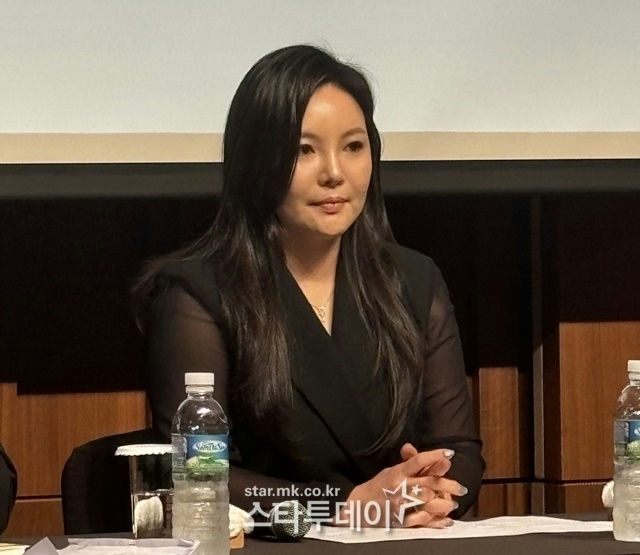
He further alleged that he had been subjected to intimidation, claiming individuals came to his home, threw objects, slapped him, and threatened him like gangsters, forcing him to sign contracts. MC Mong stated that he left his position not because of an affair, but because he wanted to protect the company as a producer and executive, firmly denying any romantic relationship with Cha Ga-won.
From a superstar at the height of fame to a figure burdened by a 15-year broadcast ban, a stalled performing career, mental health struggles, and a massive civil lawsuit, MC Mong’s story stands as a stark reminder that talent alone cannot save a career. For him, the true ending may not lie solely in lost opportunities, but in the collapse of public trust something that, once broken, is almost impossible to restore.
Sources: Naver
You must be logged in to post a comment.