
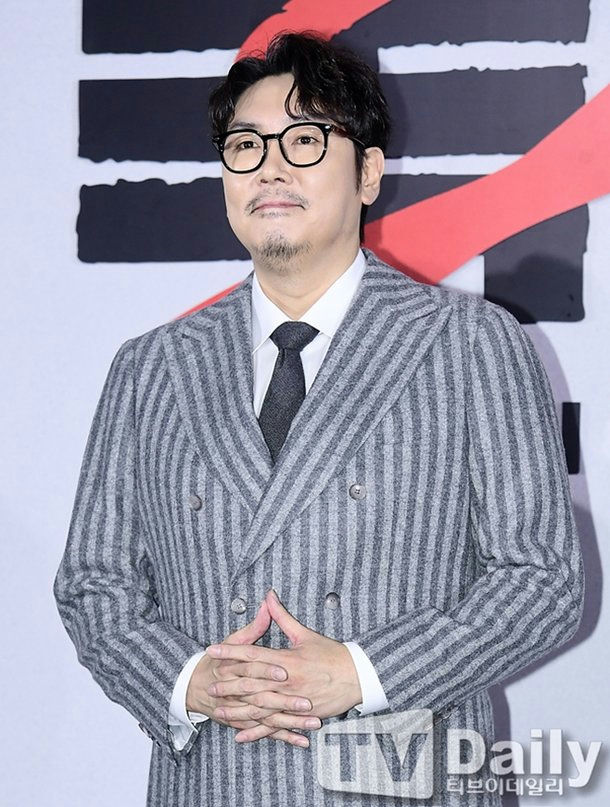
“Most juvenile offenders come from difficult environments marked by poverty and family breakdown,” wrote Father Song Kyung Yong, who runs a youth shelter, on social media. Referring directly to Cho Jin Woong‘s case, he emphasized that many young offenders go on to lead productive, regretful lives. “If we judge them only by their past, it means they should neither breathe freely nor even exist,” he said, urging Cho to return rather than withdraw.
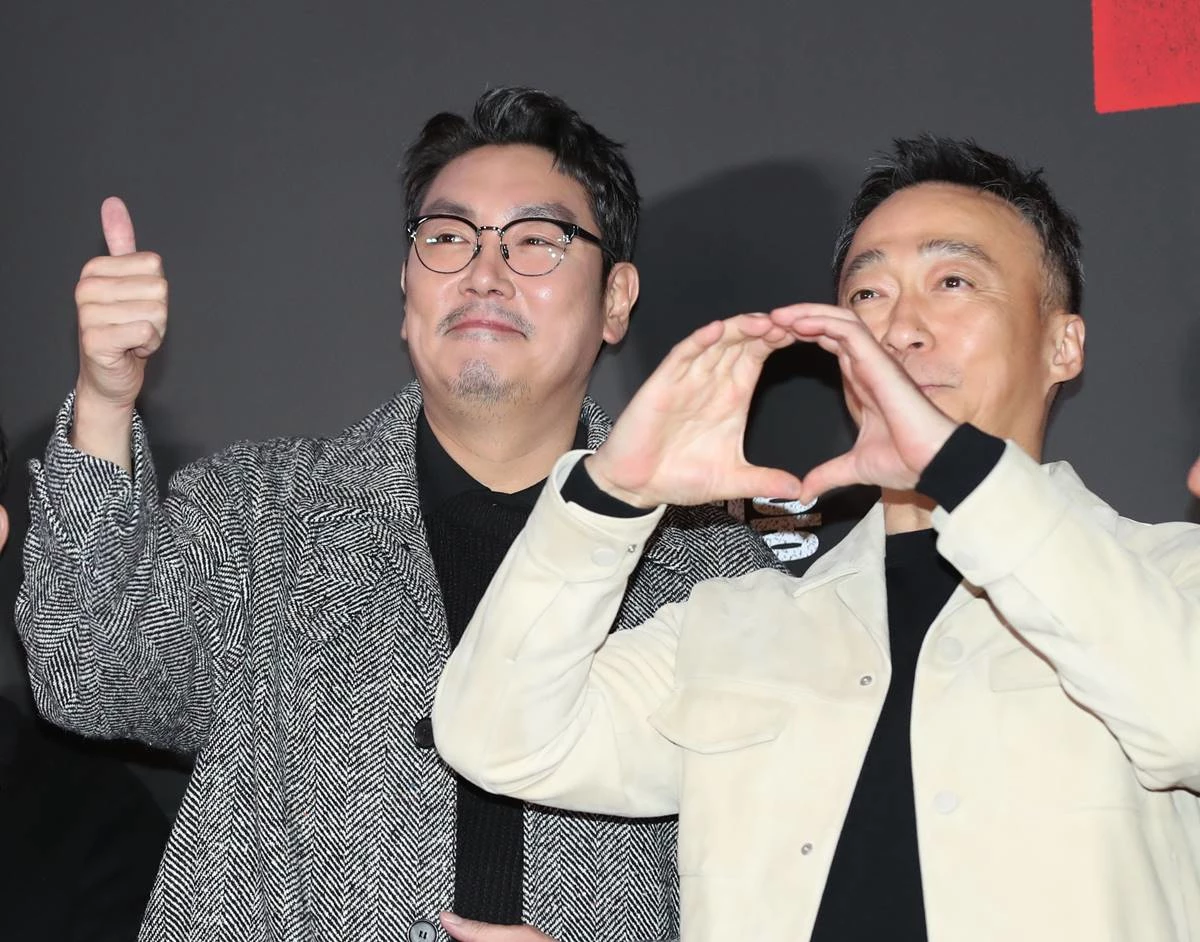
Backing Song’s message, Democratic Party lawmaker Kim Won Yi shared the post on Facebook, reflecting on the depth of responsibility one should carry for youthful mistakes. “To what extent should someone pay for what they did as a minor, and for how long?” he questioned.
Seoul National University emeritus law professor Han In Sup also weighed in, calling Cho’s full retirement “the wrong solution.” He stressed that Cho had already faced legal consequences for his actions as a teenager and added, “The attempt to bury him alive now is not justice.”
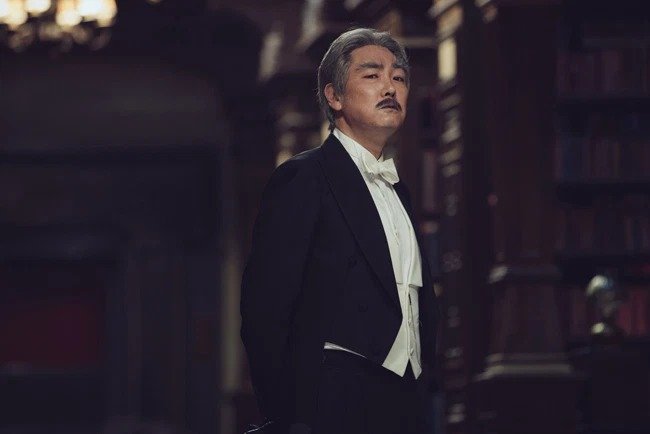
The controversy erupted after Dispatch reported on December 5 that Cho Ji woong, during his second year of high school roughly 30 years ago, was involved in a group-related case of car theft and sexual assault. He was charged under the Special Act on Punishment of Violent Crimes and was subsequently sent to a juvenile reformatory.
Cho’s agency confirmed the juvenile offense, admitting to “wrongdoing during his youth” but firmly denied the sexual assault claims, calling them baseless. However, the next day, Cho Jin Woong personally announced his retirement from acting, acknowledging the past and expressing remorse, yet choosing to step away from the public eye.
As this debate unfolds, the public appears increasingly divided between holding public figures accountable for youthful crimes and recognizing the potential for change and redemption.
Sources: nate
You must be logged in to post a comment.