
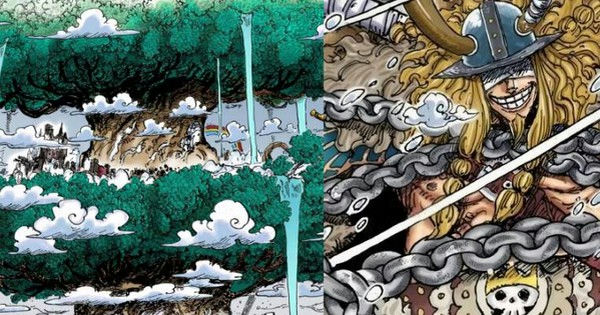
As One Piece enters its long-anticipated Final Saga, fans are uncovering deeper mythological layers woven into its storytelling particularly from Norse mythology. While the series has always drawn from diverse cultures, elements from Norse legend now appear to be steering the entire endgame. From symbolic world structures to mythic characters, Eiichiro Oda’s epic is more deeply rooted in Viking lore than ever before.
Here are 10 Norse mythology elements secretly shaping the Final Saga of One Piece:
1. Ragnarök
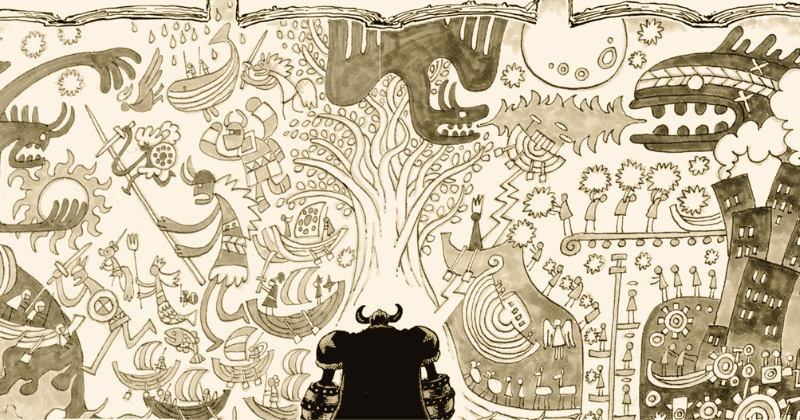
A prophecy of world-ending destruction in Norse myth, Ragnarök foretells a cycle of death and rebirth. In One Piece, this concept mirrors the potential global upheaval expected in the Final Saga especially in the Elbaf arc, where signs of an approaching “end” are prominent, including ancient murals and the rise of Prince Loki.
2. Yggdrasil / Adam Tree
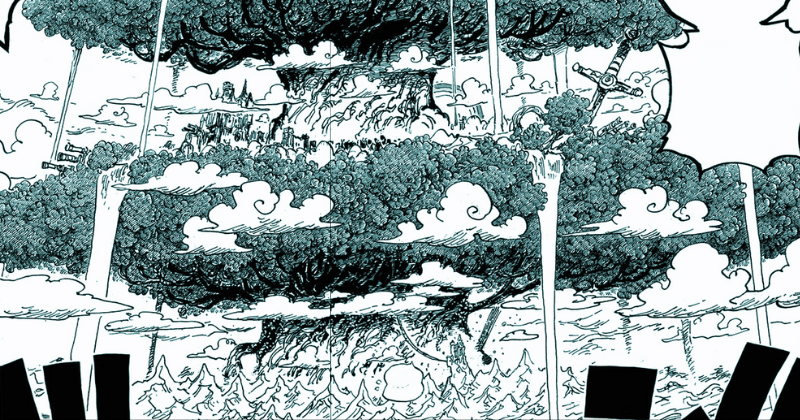
Yggdrasil, the World Tree in Norse myth, connects all realms. Its counterpart in One Piece is the Adam Tree, towering over Elbaf’s giant settlements. This tree evokes divine symbolism and anchors Elbaf’s spiritual atmosphere.
3. Odin / King Harald
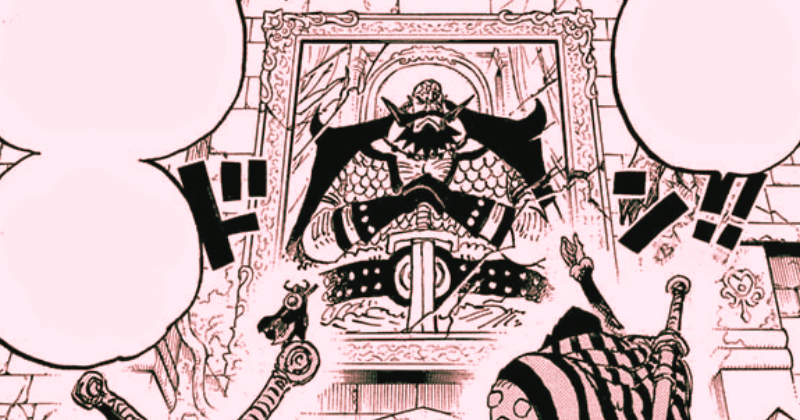
King Harald, father of Hajrudin and Loki, mirrors Odin, the wise king of Asgard. Both are revered leaders of mighty warrior races, with Harald positioned as a central figure in the power hierarchy of the giants.
4. Loki
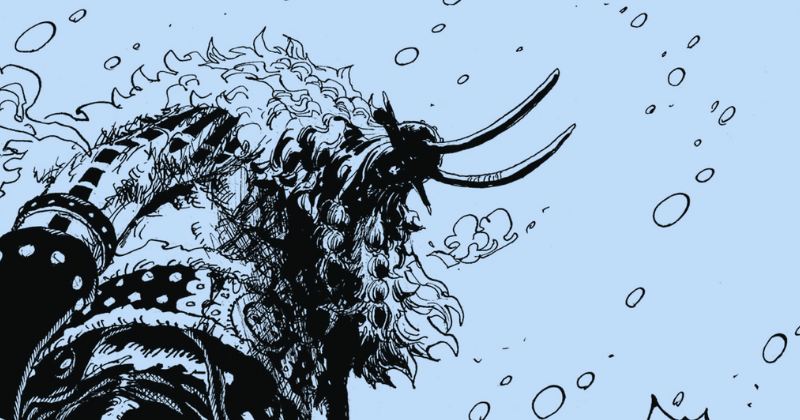
Prince Loki directly references the Norse trickster god. His cunning role in Elbaf’s politics and potential manipulation of larger events aligns him with the mythic Loki’s deceit and influence over Asgard’s fate.
5. Mjolnir / Ragnir
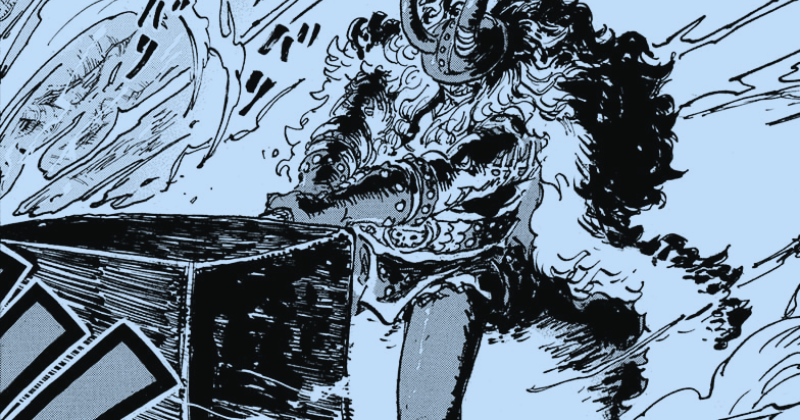
Loki’s weapon, Ragnir, is a massive hammer capable of summoning lightning clearly inspired by Thor’s Mjolnir. Its destructive power and divine symbolism position it as more than a weapon it’s a potential harbinger of Ragnarök.
6. Vegtam (Vegapunk)
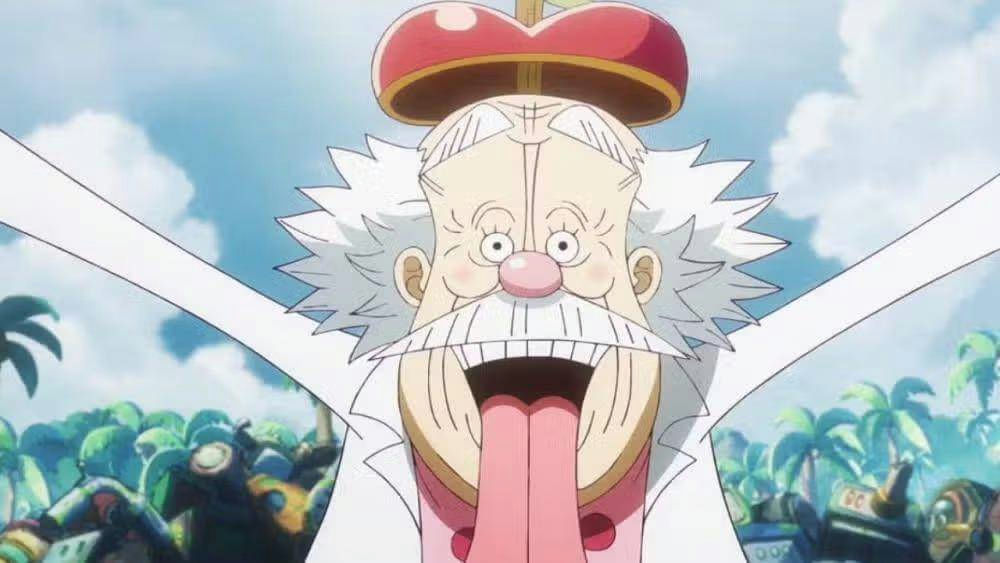
Vegapunk’s name likely draws from “Vegtamr,” an alias Odin used while seeking forbidden knowledge. Like his mythic counterpart, Vegapunk defies the gods (or World Government) to uncover hidden truths, paralleling Odin’s dangerous quests for wisdom.
7. Thor / Hajrudin
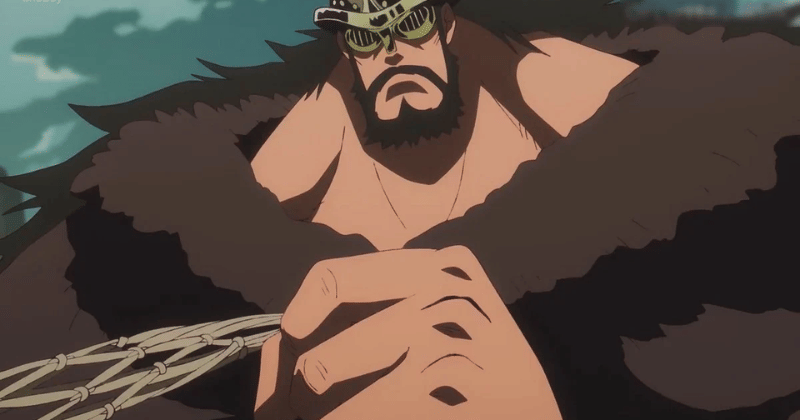
Hajrudin reflects Thor in strength, bravery, and ambition to become the strongest of the giants. Despite his rejection due to his mother’s status, he remains a proud warrior, symbolizing resilience and divine might.
8. Jörmungandr / Red Line
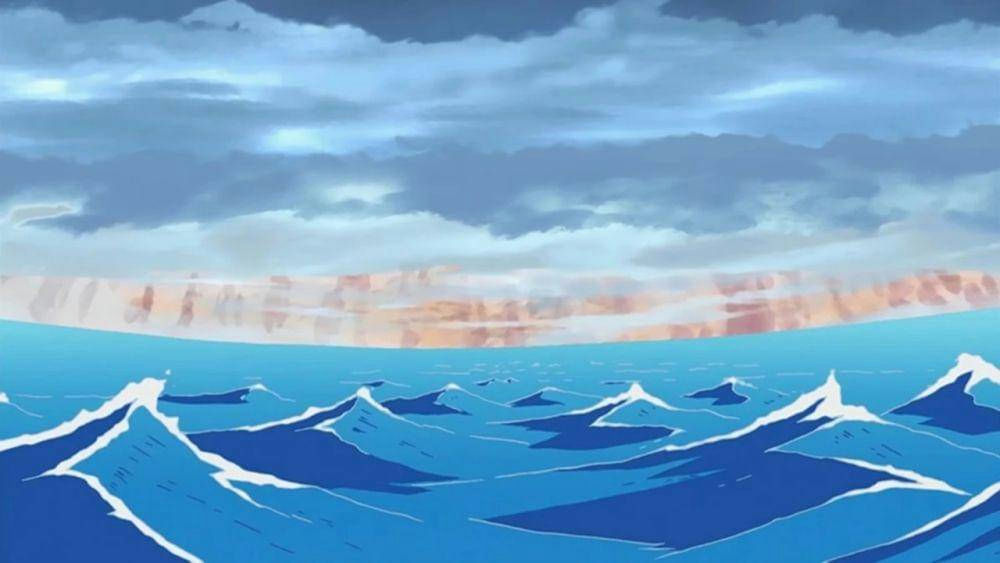
The Midgard Serpent, Jörmungandr, encircles the world in Norse lore. In One Piece, the Red Line serves a similar symbolic function—an enormous structure wrapping the globe, potentially tied to ancient secrets and the world’s eventual collapse or rebirth.
9. Tyr / Shanks
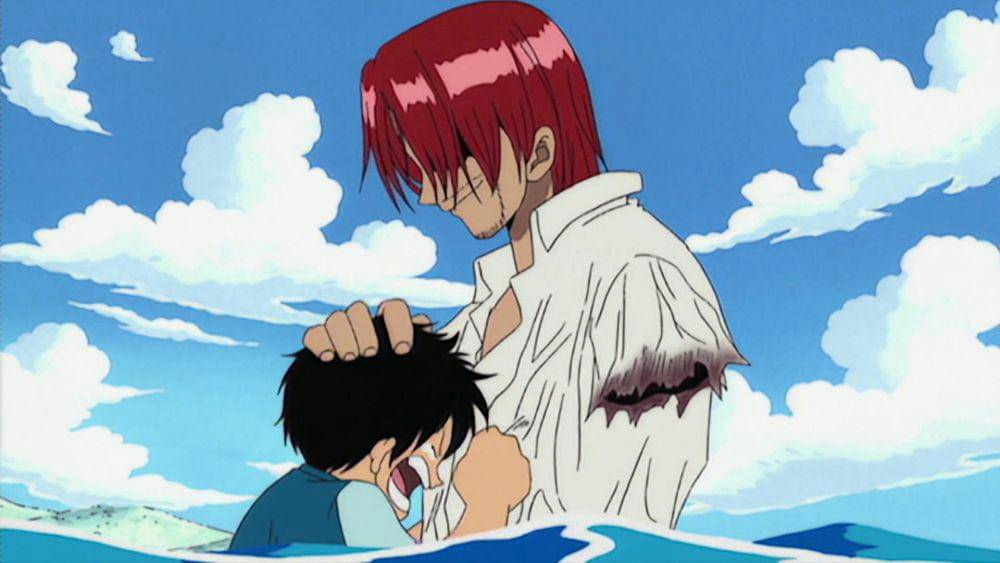
Tyr, the Norse god of war and justice, sacrificed his arm to bind the wolf Fenrir. Shanks, a principled pirate and guardian of balance, lost his arm to save Luffy echoing Tyr’s sacrifice. His status as a stabilizing force matches Tyr’s mythic role.
10. Jötnar / Elbaf Giants
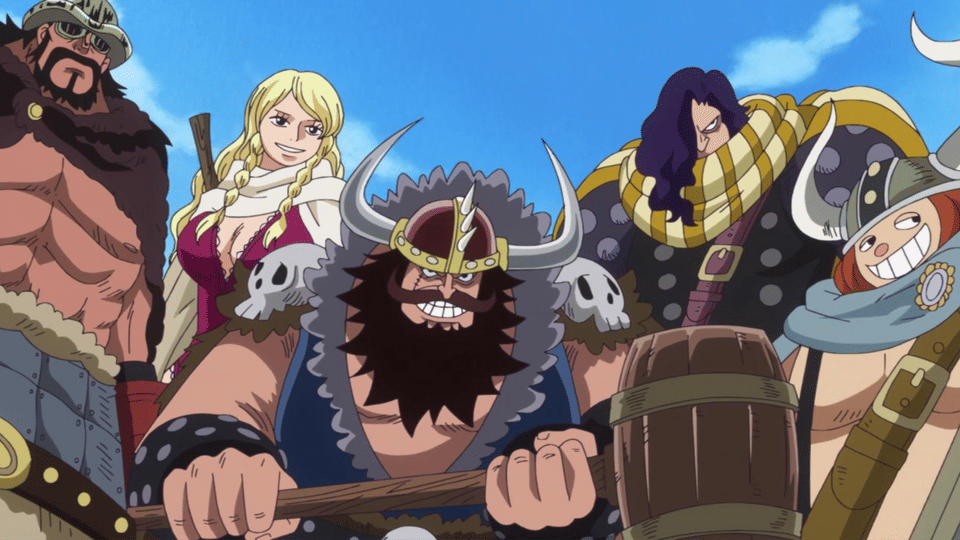
The Jötnar, Norse giants, are fierce beings who often oppose the gods. One Piece’s Elbaf giants draw directly from this myth, portrayed as powerful warriors with rich traditions, long lifespans, and a complex history with the world order.
These hidden connections showcase Oda’s brilliance in embedding Norse mythology into the very DNA of One Piece’s final arc. As the saga unfolds, fans may witness a symbolic Ragnarök the death of the old world and birth of a new era just as the myths foretold.
Sources: gamek
You must be logged in to post a comment.