

A growing wave of concert cancellations involving Japanese artists in China is sending shockwaves through the entertainment industry. As diplomatic friction between the two countries intensifies, Chinese event organizers are facing massive financial setbacks refunding ticket sales while unable to recover performance fees already paid to Japanese performers.
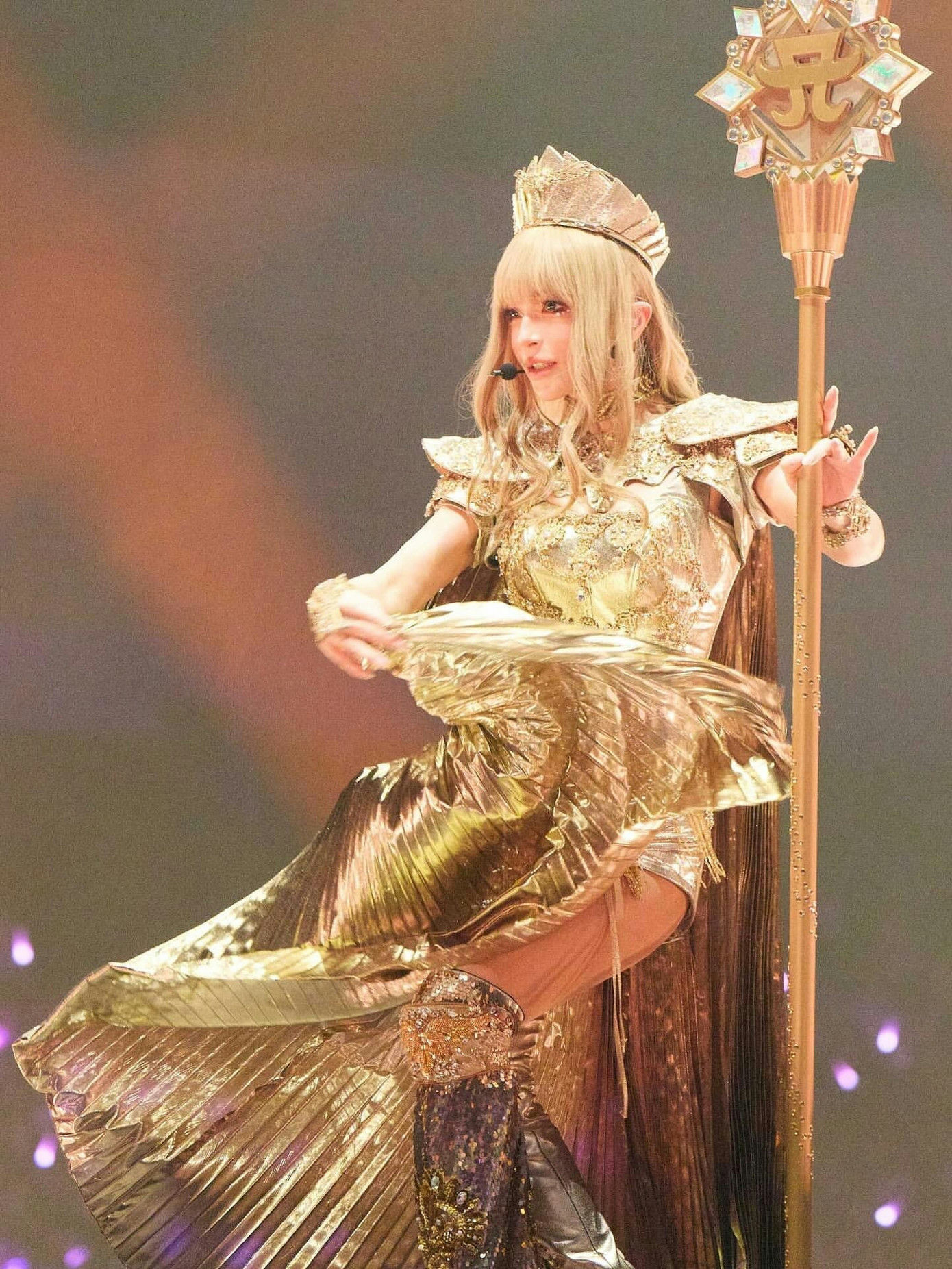
The most high-profile example came on November 29, when Ayumi Hamasaki’s concert at Shanghai Oriental Sports Center was abruptly canceled just one day before the event. Similarly, singer Maki Otsuki experienced an unprecedented moment when her live show was interrupted mid-performance, with the venue cutting the power and asking her to leave the stage.
To date, at least nine Japanese artists and three films have seen their China-based activities suspended. For promoters, the financial toll is severe not only due to ticket refunds, but also because nearly all contracts were already signed and most payments completed.
According to YiPing News Network, standard procedures require promoters in China to pay 30% of the artist’s fee upon confirming the collaboration, another 40% upon signing the contract, and the remaining amount two weeks before the artist’s arrival. By the time an event is canceled, most if not all of the fee is already in the artist’s hands, leaving organizers with little recourse.
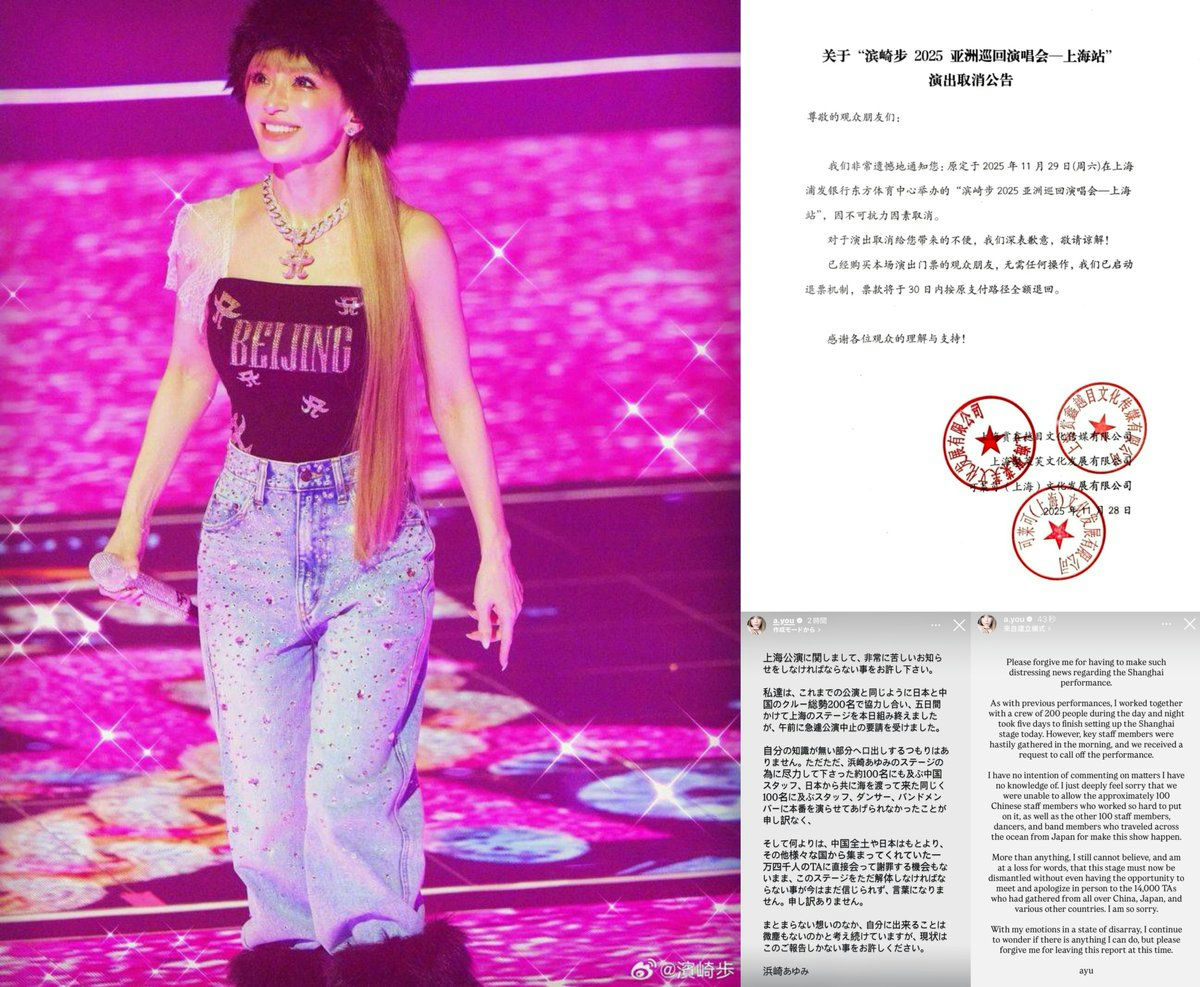
Beyond performance fees, organizers have already spent heavily on venue rentals, airfare, hotels, equipment transport, staging, permits, security, and advertising. With no event revenue to recoup these costs, many promoters are now deeply in the red.
While cancellations are typically followed by renegotiations, in these cases, Japanese artists are not at fault they didn’t breach contracts, nor did they voluntarily cancel so refunds or payment reversals are nearly impossible.
Industry analysts point out that while Japanese artists may suffer future income loss if blocked from China, the immediate financial burden falls squarely on Chinese organizers, many of whom are facing serious risk of collapse.

Attempts to replace Japanese performers with local or regional acts have also fallen flat. Most concertgoers bought tickets specifically for Japanese culture experiences, and there’s no guarantee that a substitute performer be it Chinese or Hong Kong-based would attract the same audience.
This issue isn’t one-sided. The cancellation wave is now affecting artists traveling in the opposite direction as well. Hong Kong singer and actor Ekin Cheng was forced to cancel his Tokyo concert set for December 5, also citing “force majeure.”
What began as isolated incidents has now turned into a sweeping freeze on Japanese performances across China. Even ongoing shows face potential shutdown at a moment’s notice. Although various event companies are involved, the cancellation reasons are strikingly uniform and lack transparency.

According to Yahoo Japan, several Japanese promoters initially assessed situations on a case-by-case basis. However, as mass cancellations piled up, a consensus formed to adopt a uniform approach, with some Chinese partners even advising Japanese teams to cite “force majeure” in public announcements.
Beyond affecting organizers, these cancellations inconvenience thousands of fans who must now seek refunds. Many promoters are now left with sunk costs they can’t recover, escalating the financial damage.
Across both countries, those working in entertainment are suffering both emotionally and financially. Stakeholders are now being forced to plan for long-term disruption and consider alternative strategies for reviving cross-border events in the future.
Sources: K14
You must be logged in to post a comment.