
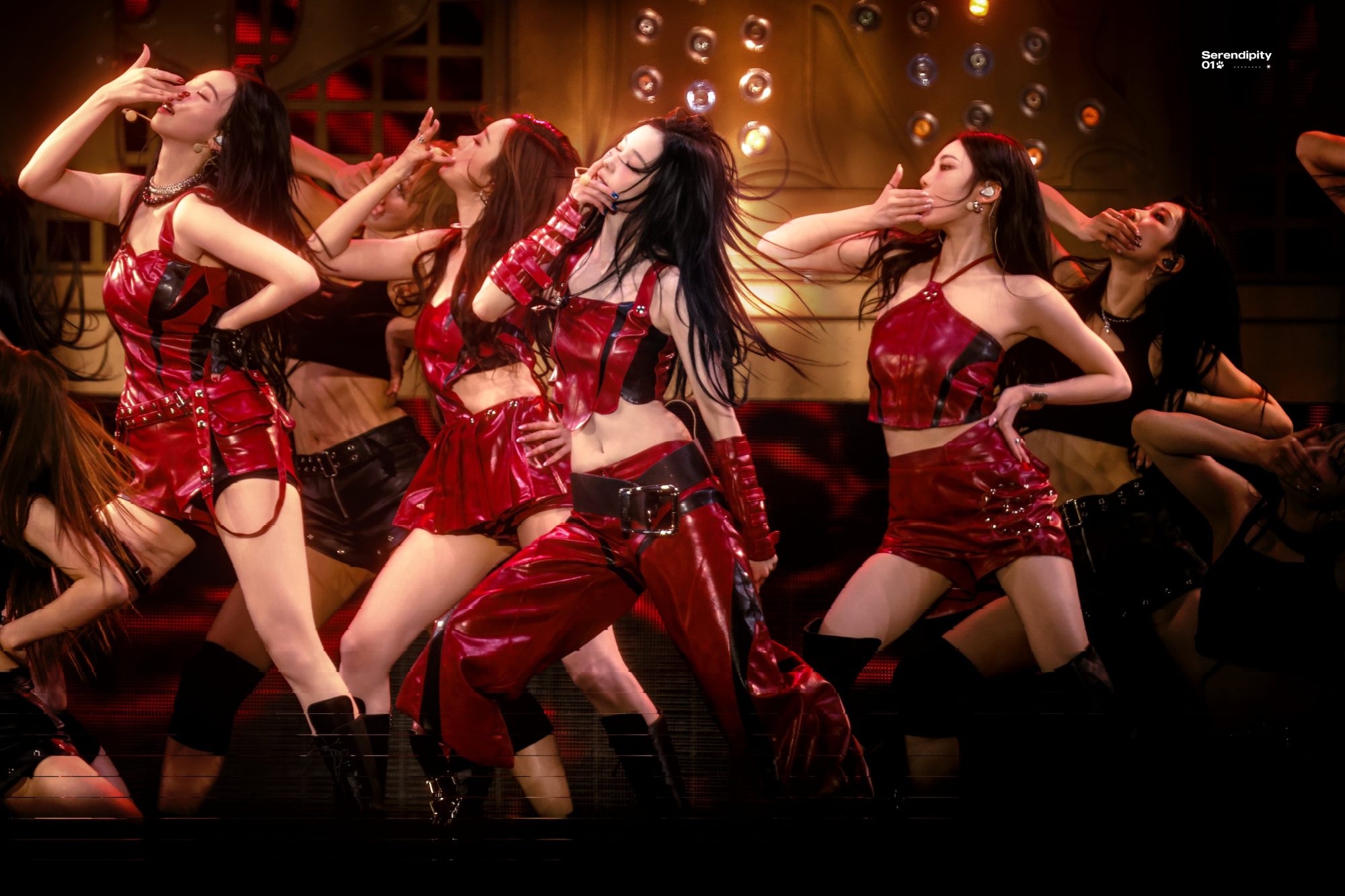
The sudden cancellation of all Japanese music performances in China has left many artists devastated and fans frustrated, marking a new low in the ongoing diplomatic rift between Beijing and Tokyo.
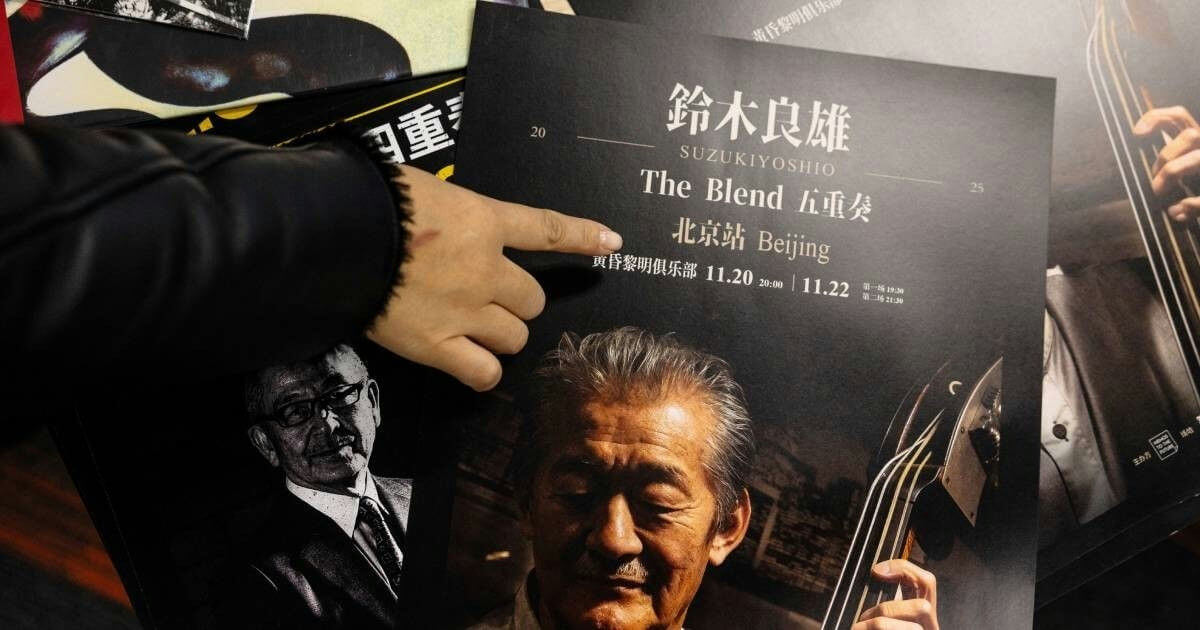
Legendary Japanese jazz bassist Yoshio Suzuki and his band were in the middle of a soundcheck for a highly anticipated concert in Beijing when plainclothes security forces ordered the show to halt. “Not even a minute later, the venue manager told me that police had banned all concerts involving Japanese artists no room for negotiation,” said Norwegian event organizer Christian Petersen-Clausen.
Suzuki, 80, who endured a months-long visa process for this tour, was crushed upon hearing the news.
The clampdown follows controversial remarks by newly appointed Japanese Prime Minister Sanae Takaichi regarding Taiwan, which have severely strained China-Japan relations. China has since launched a series of retaliatory actions banning Japanese seafood imports, discouraging tourism to Japan, and now, cracking down on cultural events.
According to insiders, Chinese authorities have mandated that all performances featuring Japanese artists in 2025 be canceled, while 2026 show permit applications are now blocked. Promotional material featuring Japanese artists is also banned.
The fallout has been immediate and widespread. In Beijing, fans of singer KOKIA gathered outside the venue only to be told of the cancellation. Viral videos captured the crowd chanting “Refund our money!” Meanwhile, rapper KID FRESINO’s China tour has been indefinitely postponed.
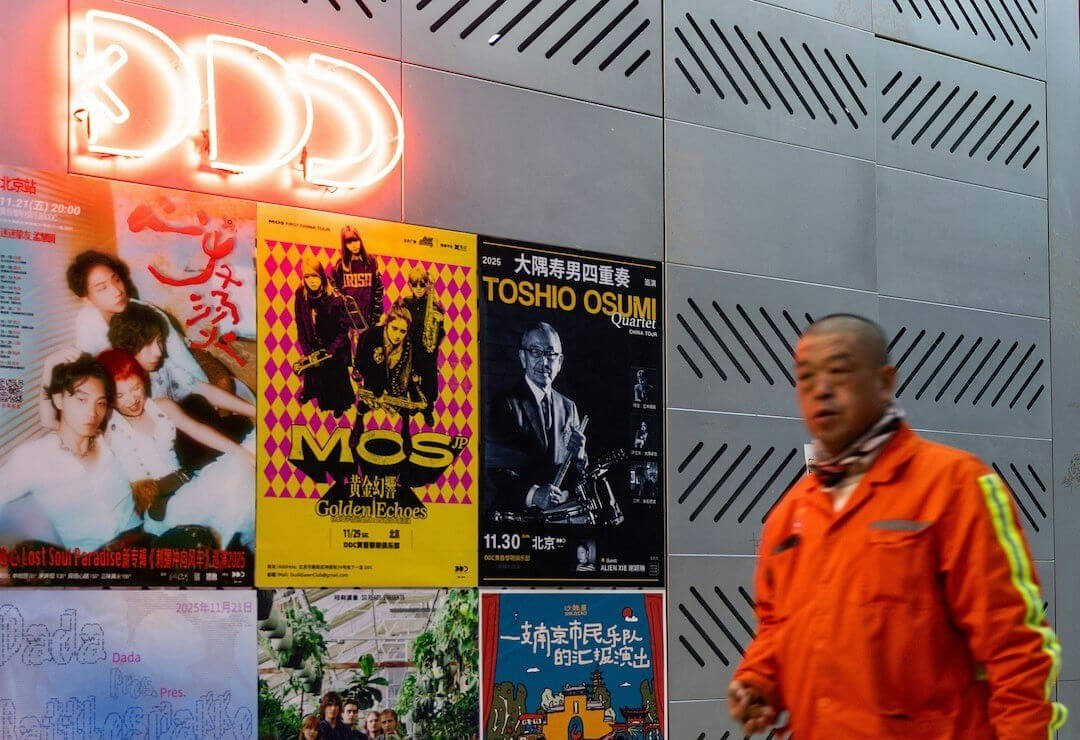
At least 10 scheduled concerts in major Chinese cities have been axed. This mirrors similar cultural sanctions seen in 2016 during the THAAD controversy with South Korea, when K-pop and Korean dramas were wiped from Chinese platforms.
“This creates a ripple effect fans cancel flights and hotels, local staff lose jobs,” Petersen-Clausen said. He added that concerts are a vital emotional outlet, especially for young people grappling with economic uncertainty. “There’s occasional anti-Japan sentiment online, but I’ve never seen politics invade concert spaces like this,” he noted.

China’s Foreign Ministry has yet to respond to the growing backlash. Meanwhile, in Japan, tensions flared with over 90,000 signatures demanding K-pop idol Ning Ning of aespa withdraw from an upcoming Japanese TV performance.
The cultural freeze threatens to extend beyond music, deepening an already volatile geopolitical climate. For now, the stage remains dark for Japanese artists in China.
Sources: kenh14
You must be logged in to post a comment.