
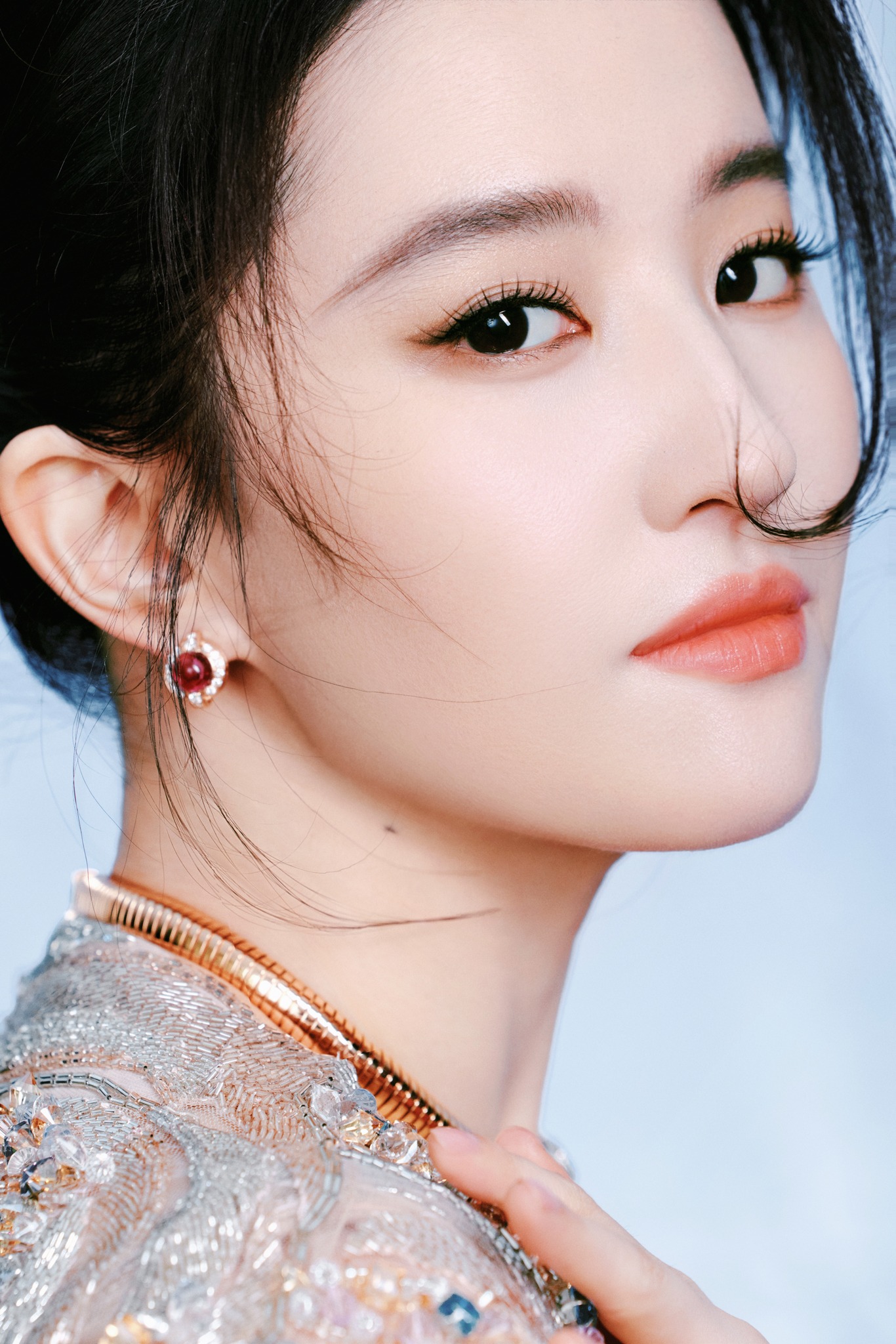
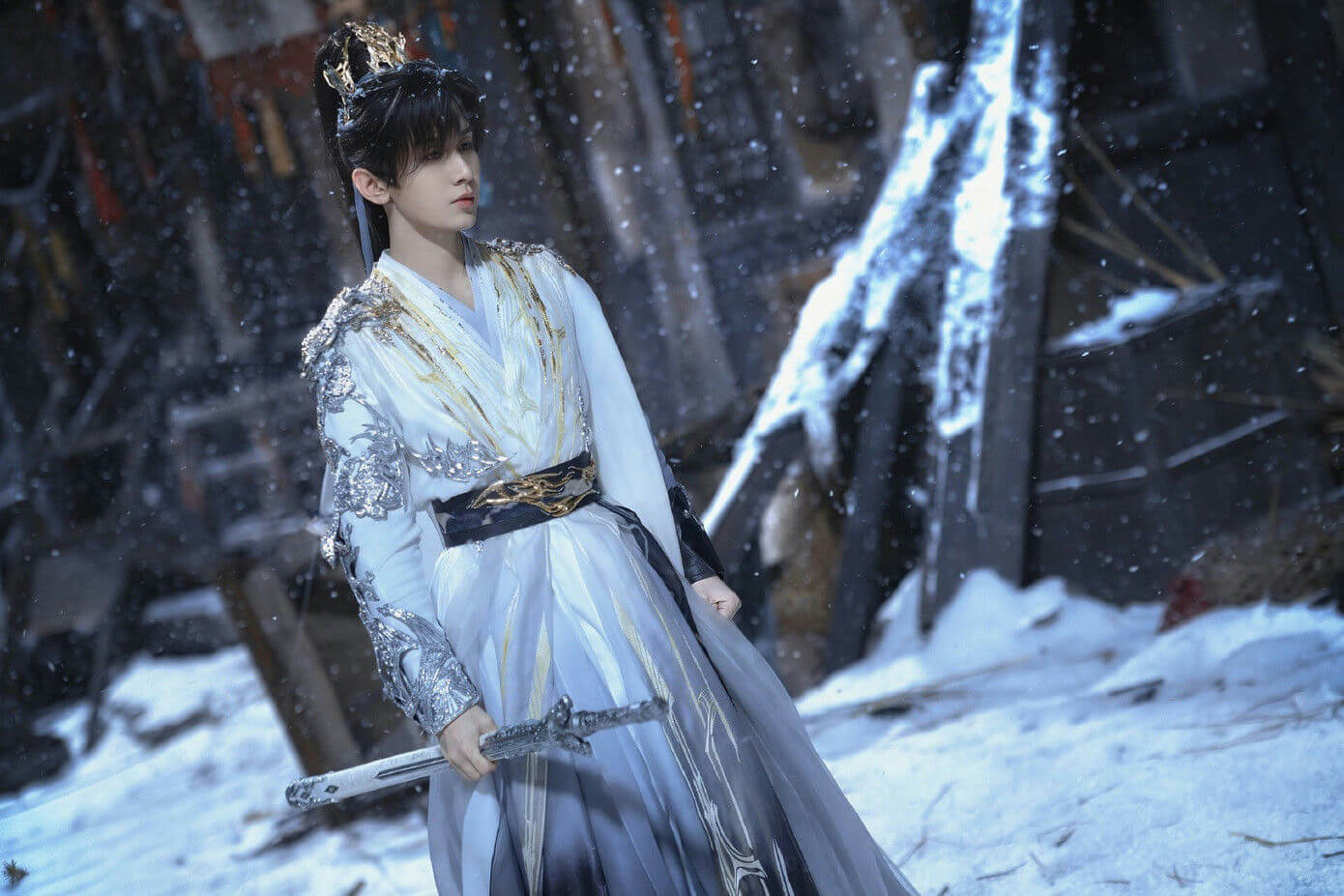
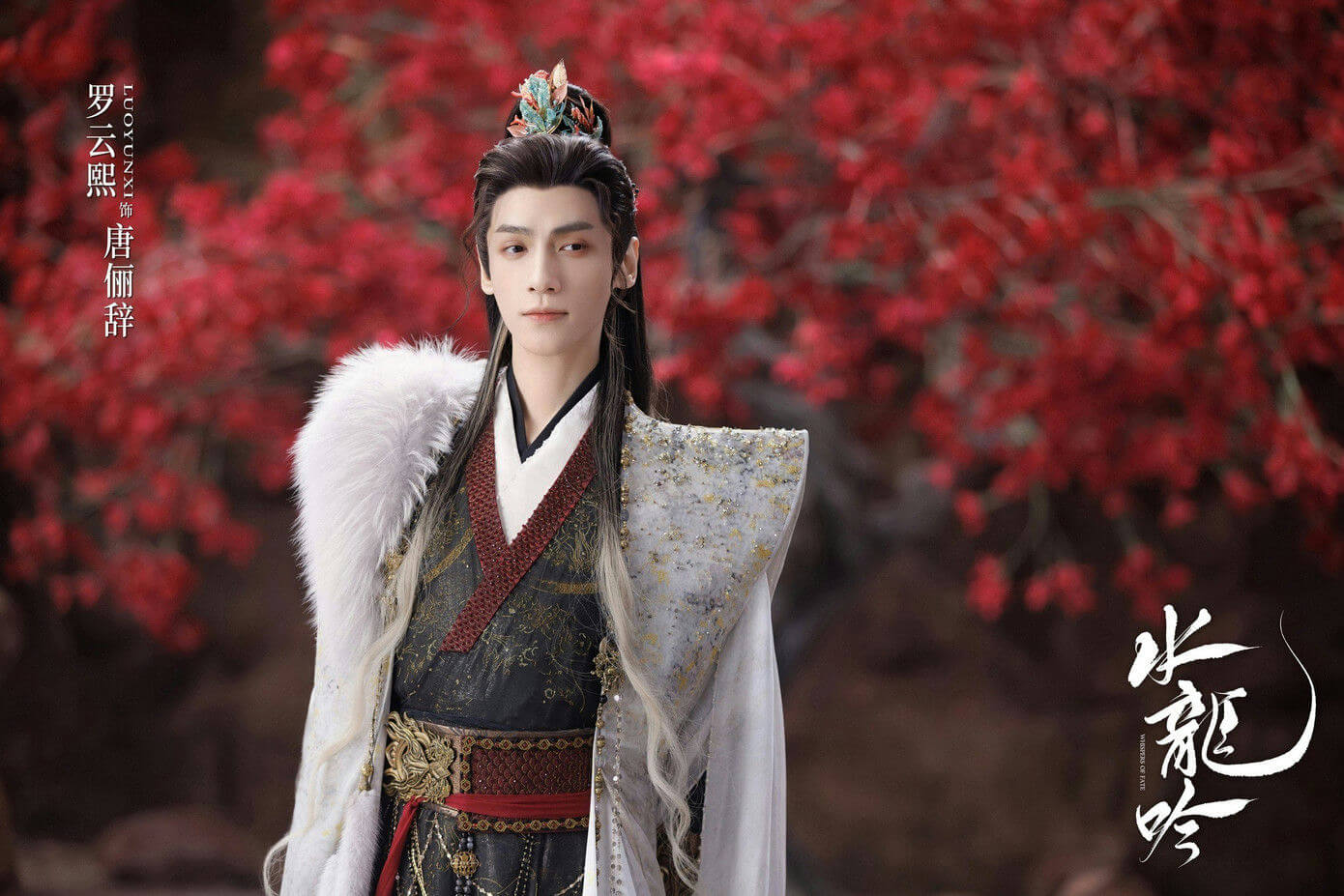
The Chinese entertainment industry is facing a profound crisis. Even with top stars like Luo Yunxi, Hou Minghao, Ding Yuxi, and Gong Jun headlining major productions, success remains elusive. According to “163”, five highly anticipated costume dramas were released over the past month—Love in the Clouds (Hou Minghao, Lu Yuxiao), Whispers of Fate (Luo Yunxi), Blood River (Gong Jun), Sword and Beloved (Cheng Yi), and Fight for Love (Ding Yuxi, Victoria Song). Despite strong source material and heavy investment, none managed to resonate with audiences.
This string of failures reflects a deeper stagnation in China’s once-thriving drama market. Historically, historical dramas were the nation’s forte—lavish productions that captivated viewers and built stars. Producers banked on famous faces to draw attention and ratings. But now, not even the most prominent A-listers can guarantee success. Luo Yunxi, Gong Jun, Hou Minghao, Ding Yuxi, and Cheng Yi—all known for past hits—have recently headlined flops.
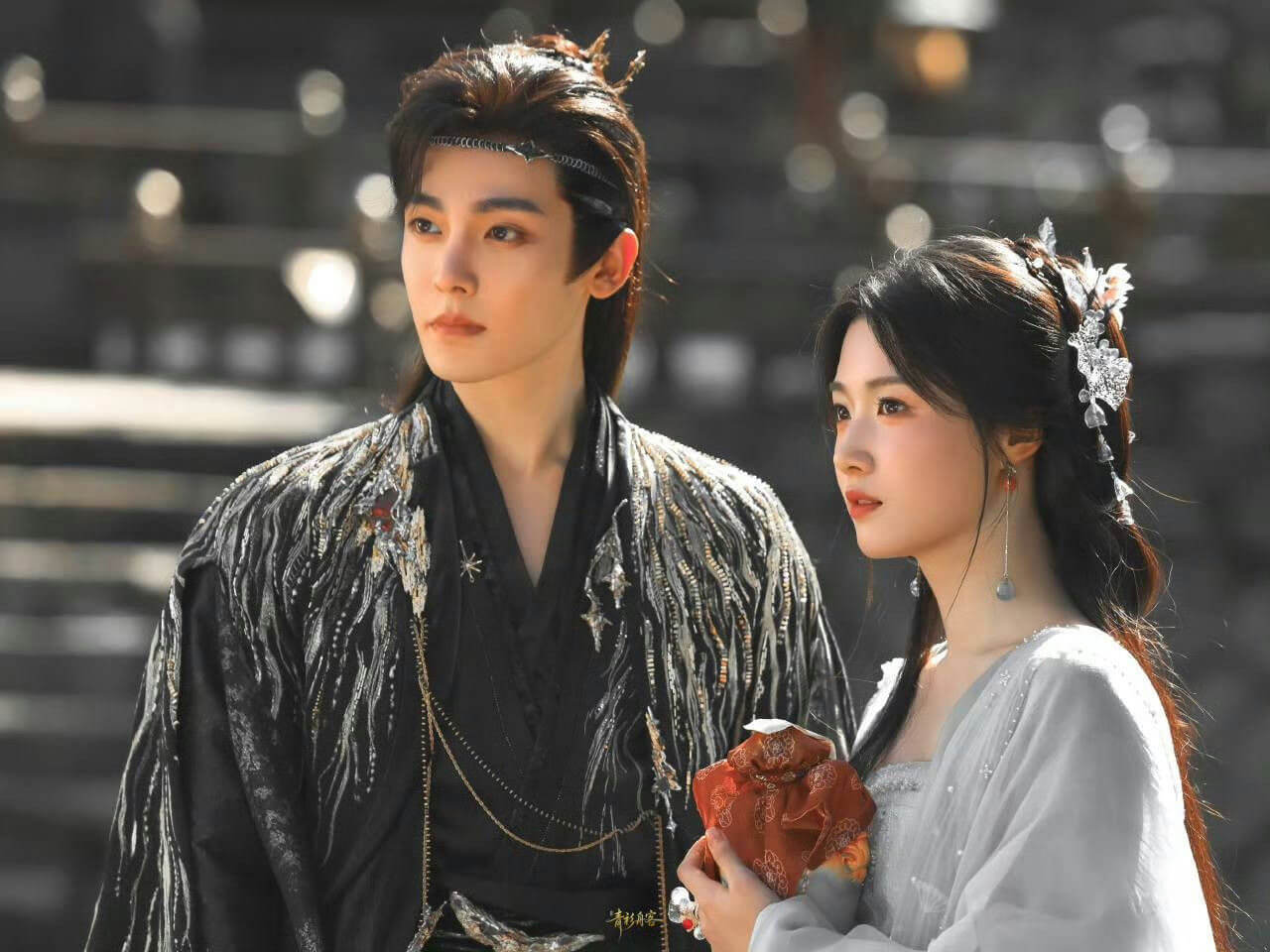
The contrast becomes even starker when compared to earlier this year, when This Thriving Land starring Yang Mi drew over 100 million views per day at its peak. In contrast, current releases from these male leads average just 15 to 25 million daily views, failing to gain traction or ignite public discussion.
Ironically, these dramas are not lacking in visual appeal—high-quality cinematography, polished CGI, and strong performances are all present. Yet audiences remain uninterested. Experts point out the issue isn’t weak scripts or poor execution, but rather the stars themselves no longer generating excitement. Many A-listers are typecast in similar roles, with little variation in character or image. Cheng Yi is criticized for repetitive looks, and Luo Yunxi’s exaggerated makeup even drew more attention than his performance.
According to “163”, the post-1995 generation of actors still lacks the star power of their 1980s predecessors. While stars like Yang Mi, Zhao Liying, Liu Yifei, Hu Ge, and Wallace Chung once guaranteed viewership, their younger counterparts fail to evoke the same interest. Even popular names like Wang Churan, Zhang Jingyi, Tian Xiwei, Esther Yu, Lu Yuxiao, and Bai Lu have yet to command strong audience pull. Many are already in their late 20s, but unlike previous stars who delivered iconic performances at that age, they haven’t reached similar milestones.
With the younger generation unable to carry projects to success, investor confidence is dwindling. Risk-averse producers hesitate to back big-budget productions, fearing financial loss.
The industry-wide slowdown is further evident in stark statistics from Hengdian World Studios, China’s largest filming base. In 2025, over 60% of planned projects never started shooting, and 30% are underfunded and cutting costs. Several productions have halted mid-shoot due to funding issues, extending timelines and ballooning budgets.
Box office performance is just as bleak. The film sector saw revenues fall over 40% year-over-year. Even during major holidays like National Day, not a single film managed to break the 1 billion RMB mark, signaling a market-wide freeze.
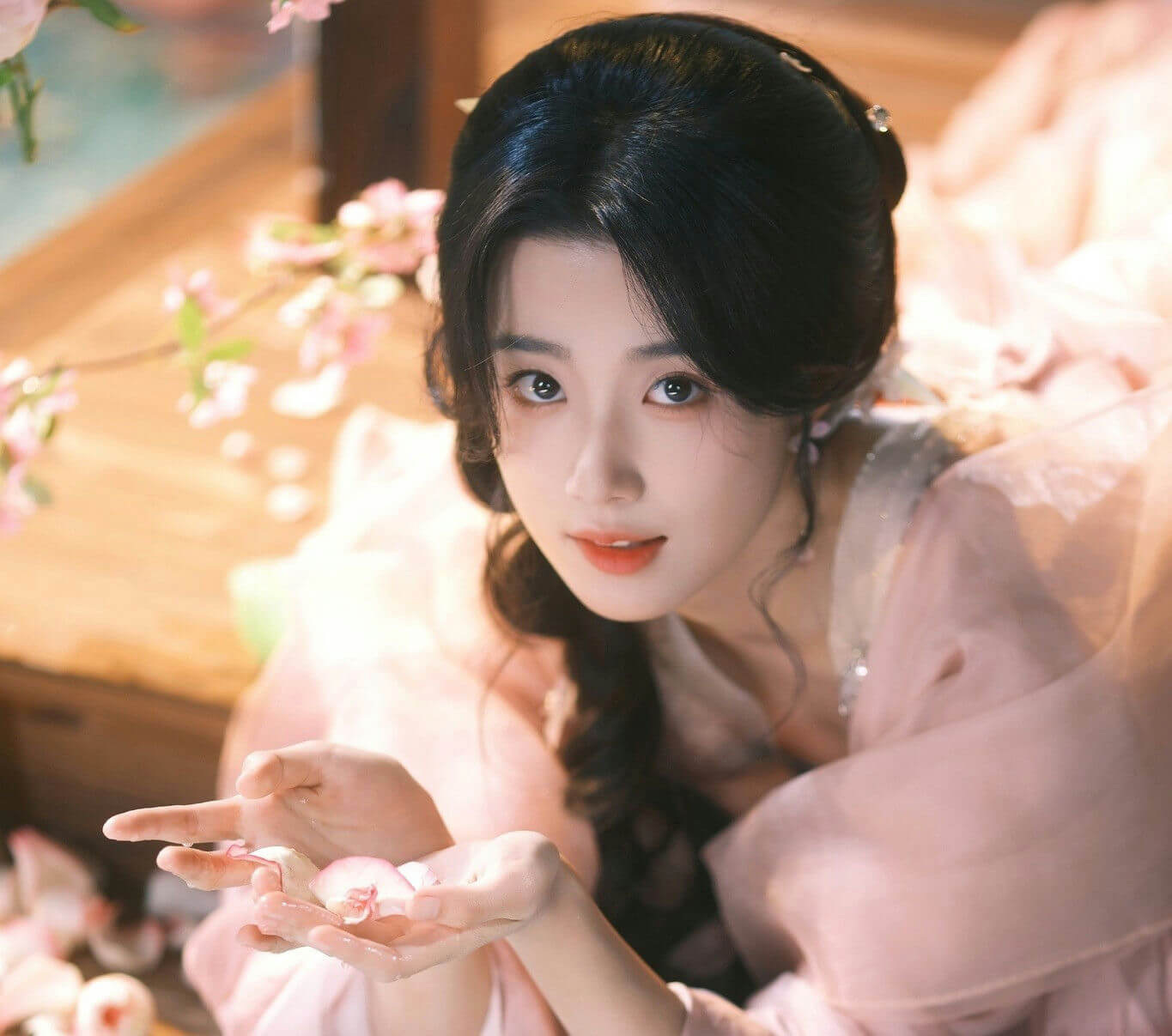
Experts suggest the industry has fallen into a vicious cycle. When one genre becomes popular, every studio jumps on the trend. As a result, actors are offered repetitive roles. Rather than wait for unique opportunities, stars accept similar parts just to stay active, maintain relevance, and support their teams. This leads to creative stagnation and audience fatigue.
Well-established stars like Liu Yifei and Zhao Liying have opted for long breaks instead of repeating themselves. Liu Yifei has been inactive for over 700 days, while Zhao Liying has taken an eight-month hiatus since her last project wrapped.
In the absence of breakout hits or new leading faces, the question remains: Who can save Chinese entertainment?
You must be logged in to post a comment.