

Few criminals have managed to leave as lasting a mark on a nation’s psyche as serial killers do. In South Korea, one name stands above all for the sheer horror and brutality of his crimes: Yoo Young-chul, better known as the Raincoat Killer.
Often compared to infamous murderers like Ted Bundy and John Wayne Gacy, Yoo Young-chul’s killing spree in the early 2000s shocked the country and forever changed how Koreans viewed violent crime.
A Troubled Beginning
Born in 1970, Yoo Young-chul’s life began in hardship. Raised by his grandparents after his parents divorced, he grew up in poverty and isolation. Although he initially dreamed of becoming an artist, he was rejected from an arts high school a moment many believe fueled his resentment and anger.
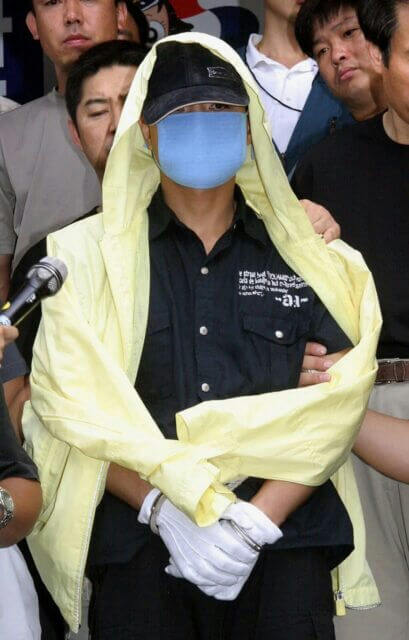
During his teenage years, Yoo Young-chul began committing petty crimes, including theft and forgery. By 1991, he was married, but his criminal tendencies only worsened. His charges grew increasingly serious, including a 1995 conviction for selling child pornography and later child sexual abuse in 2000.
When his wife divorced him following his imprisonment, Yoo Young-chul claimed that his hatred toward women began a psychological turning point that would later define his crimes.
The Murders Begin
Yoo Young-chul’s killing spree began in September 2003, targeting the wealthy elderly in Seoul’s affluent Gangnam District. His first victims were Professor Lee Deok-su and his wife Lee Eun-ok, both murdered in their home.
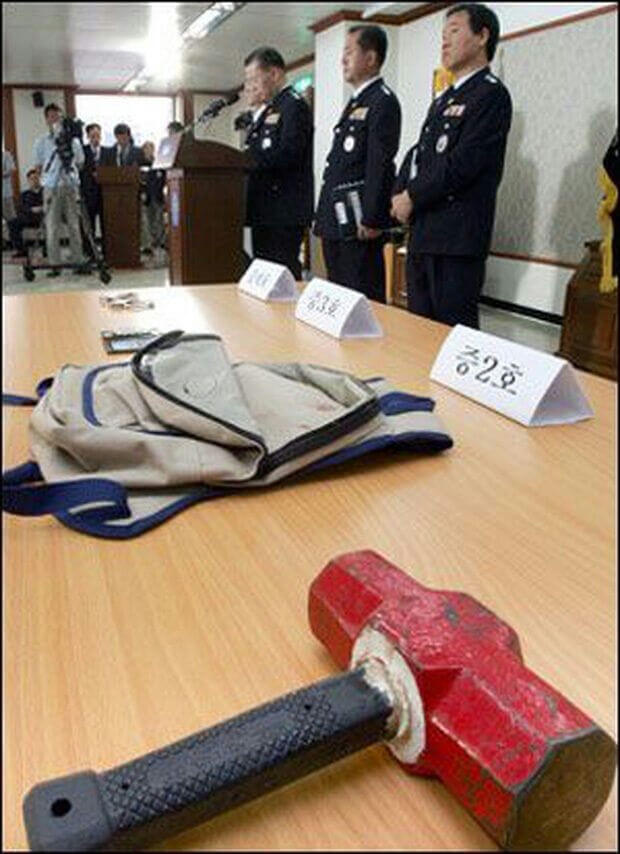
For months, Yoo Young-chul stalked rich senior citizens, claiming to punish those he saw as “corrupt and greedy.” When police investigations closed in, he shifted targets this time to female masseuses and sex workers, whom he lured to his home before brutally murdering and dismembering them.
After his final murder on July 13, 2004, of a 27-year-old escort named Im Mi-yeon, Yoo Young-chul was arrested two days later.
He initially confessed to 19 murders, later admitting to eight more and horrifying investigators by claiming he had eaten parts of his victims’ livers.
Trial, Confession, and “Psychopath” Status
Yoo Young-chul’s trial was as disturbing as his crimes. He frequently lashed out in court, insulted judges, and even attacked a prosecutor. When sentenced to death, he chillingly thanked the court, saying it was “the right decision.”
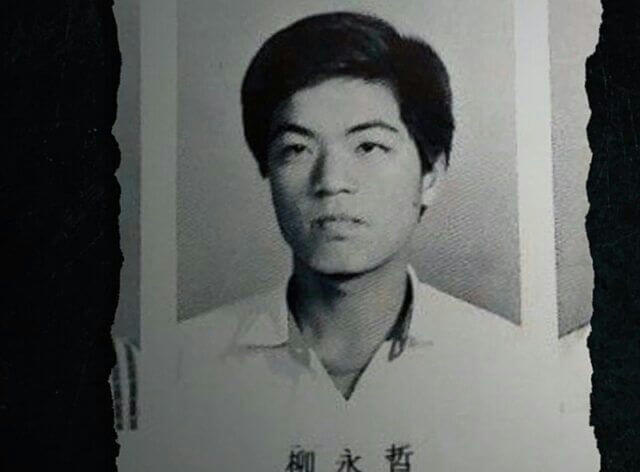
The case introduced the concept of psychopathy into Korean public consciousness for the first time. Experts described Yoo Young-chul as having no remorse, empathy, or guilt, with an IQ of 140 and a complete lack of emotional inhibition.
Due to Korea’s moratorium on the death penalty, Yoo Young-chul remains on death row at Seoul Detention Center, where he has been for over 20 years.
Haunted by His Victims
In a 2024 interview, former prison officer Lee Yoon-hui shared that Yoo Young-chul had confessed to being haunted by the ghosts of those he murdered. According to Lee Yoon-hui, Yoo Young-chul often claimed to hear voices and see shadowy figures, unable to sleep through the night.
While some believe these hauntings are a form of psychological guilt, others view them as manifestations of his deteriorating mind proof that even the coldest killers cannot escape the weight of their crimes.
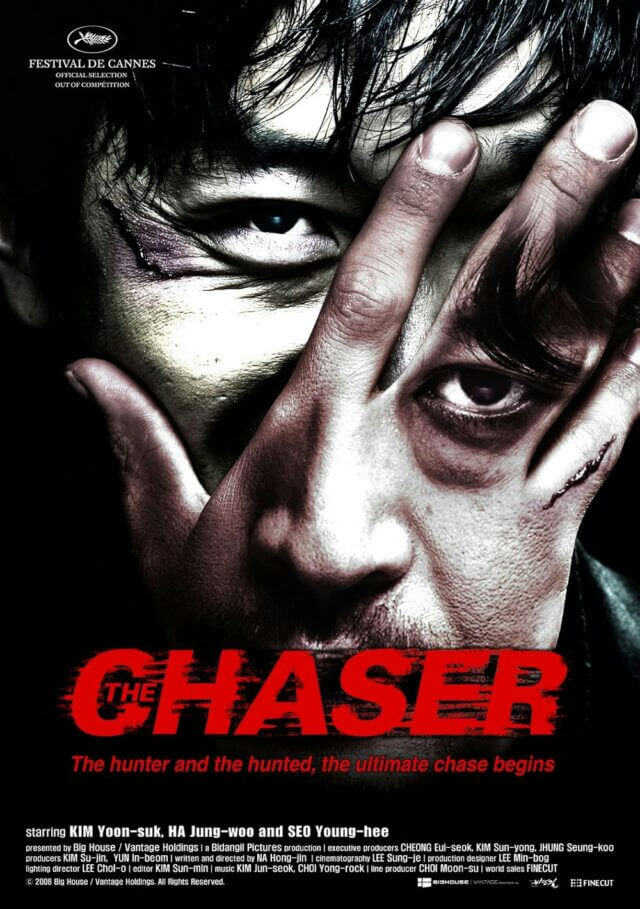
The Raincoat Killer’s story has inspired numerous works, including the 2008 film The Chaser, several documentaries, and a Netflix true-crime series, all exploring the depths of Yoo’s depravity and the investigation that finally ended his reign of terror.
Today, Yoo Young-chul remains one of Korea’s most infamous criminals a symbol of evil that challenged the nation’s sense of safety and morality. His legacy endures not as a fascination, but as a chilling reminder of what unchecked rage and dehumanization can lead to.
Sources: Koreaboo,AFP,Naver News Archive,IMDB
You must be logged in to post a comment.