
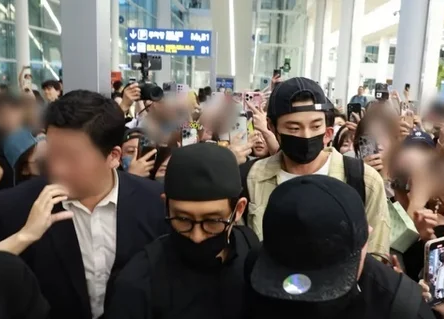
Whenever K-pop stars appear at South Korean airports, chaos often erupts. Departure halls are frequently overcrowded with fans, photographers, and onlookers, causing congestion, inconvenience, and even potential hazards for ordinary passengers. This so-called “airport hassle” has persisted for years, with no definitive solution in sight.
According to The Korea Times, in September, Incheon International Airport Corporation held a safety meeting with private security companies, requesting that artist management teams submit detailed “movement plans” for arrivals and departures. Security teams were also asked to tighten safety regulations and crowd control protocols.

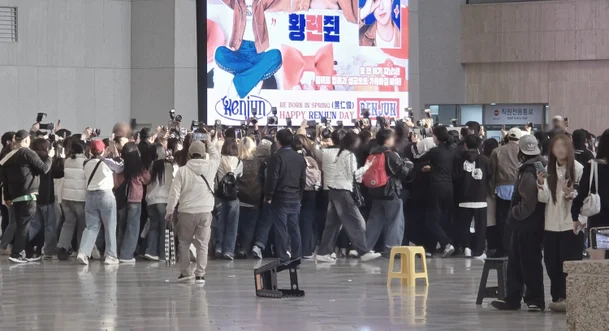
Airports today are no longer just transit points they have become marketing stages. Many artists deliberately announce flight schedules to allow media coverage of “airport fashion” sponsored by brands. The situation is further intensified by fan photographers and “home masters” using professional equipment to capture and even sell photos, with some reportedly paying for flight information.
The result is frequent collisions and disruption for ordinary passengers. In March at Gimpo Airport, reporters and fans swarmed the rookie girl group Hearts2Hearts, blocking other travelers’ paths. One passenger shouted, “We have to board our flight too!” A viral clip of the incident sparked debate about the boundary between fans’ access to idols and the public’s right to safe passage.
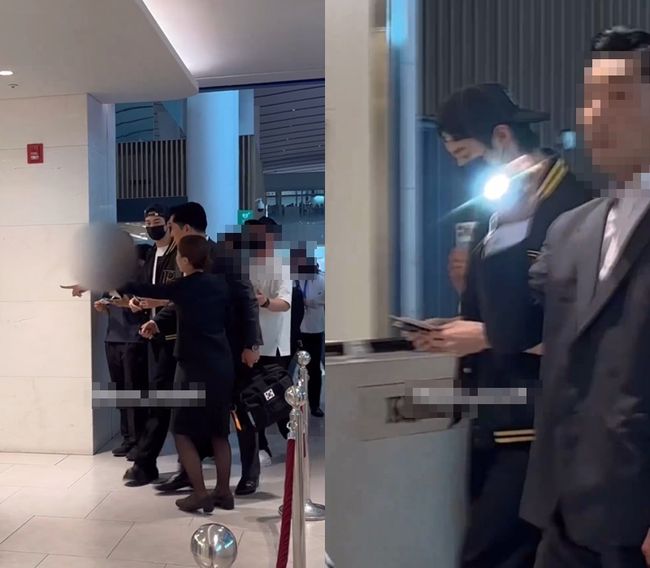
Some incidents have even led to legal consequences. Two bodyguards accompanying actor Byun Woo-seok to Japan were prosecuted for violating the Security Service Act. They reportedly shone bright lights on passengers and checked boarding passes without permission to prevent unauthorized photos outside the Korean Air waiting area.
On October 2, Incheon District Court fined each bodyguard and their security company 1 million won (approximately $720). Judge Shin Heung-ho noted that using lights on non-threatening individuals constituted excessive force beyond the scope of security duties.
The court suggested that celebrities could limit over-photography by keeping travel plans secret, wearing hats and masks, or using less crowded routes. However, Byeon publicly shared his schedule and passed through areas densely packed with fans, effectively turning it into a mini fan event.
From a tourism perspective, the issue extends beyond interactions between fans, artists, and security. Congestion at airports directly affects the quality of service for international visitors. Every minute of delay in departure halls diminishes travelers’ first impressions, increases wait times at check-in counters, and heightens stress before flights.
While authorities continue to consider requiring detailed “movement plans,” discussions remain focused on balancing public safety with tourism image, privacy rights, and artists’ marketing needs. So far, no solution has fully resolved the recurring K-pop airport chaos in South Korea.
Sources: Znews
You must be logged in to post a comment.