
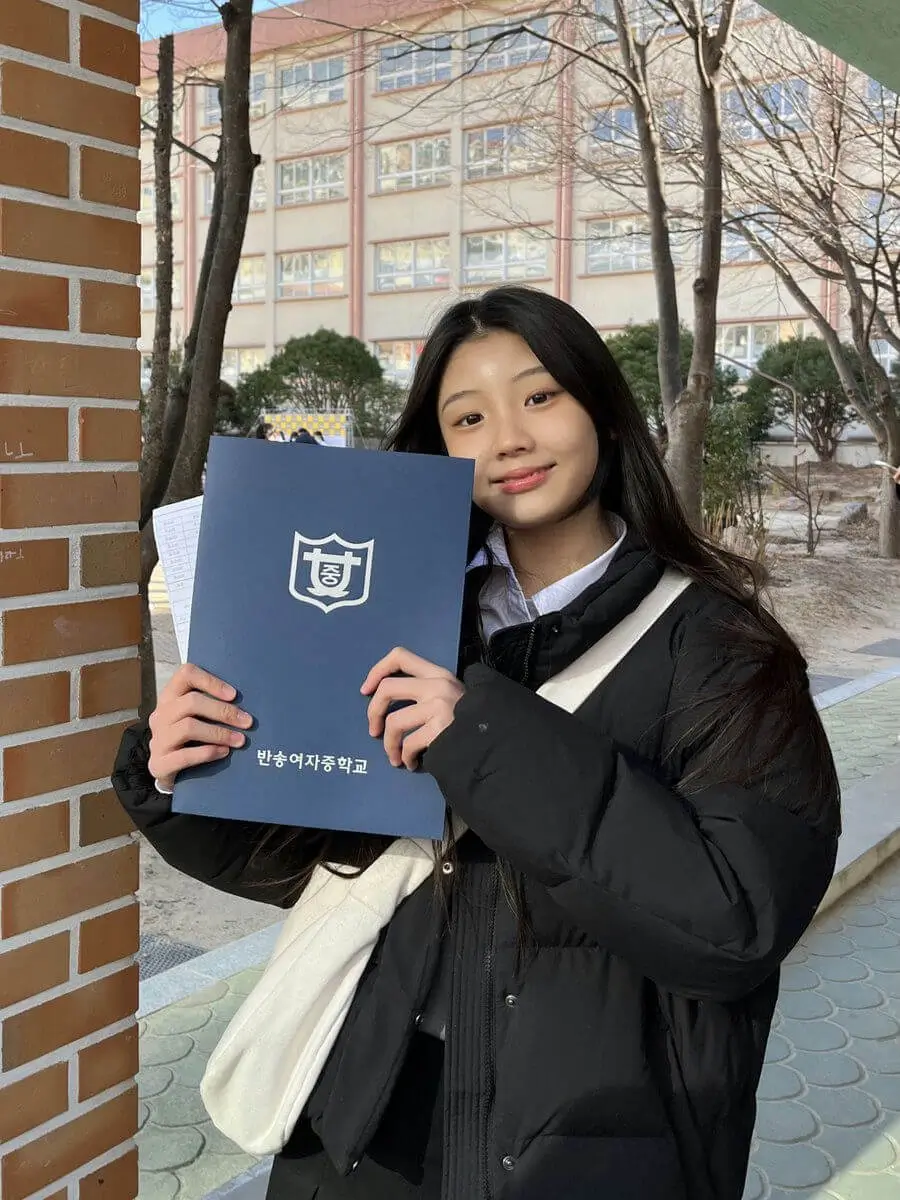
On August 1, a shocking school bullying allegation targeting ILLIT’s Wonhee surfaced online, quickly going viral across X (formerly Twitter). The lengthy post claimed that Wonhee bullied the author throughout their school years, portraying her as having a “two-faced” image in contrast to her idol persona.
“It was not easy riting this, but I am gathering courage to rite this as I think many people have the right to know the truth behind her two-faced image,” the post read in broken English-structured Korean.
But as Korean netizens examined the post more closely, they quickly began to notice something suspicious—not just in the claim itself, but in the language it was written in. The Korean used was awkward, unnatural, and full of grammatical inconsistencies. Upon translating it into English, everything suddenly made sense—suggesting that the post was likely written in English first and then run through Google Translate.

Soon after, fans began digging into the account’s background. What they found caused the narrative to shift drastically.
“Girl, you’re Melissa. An Indonesian BLINK using f*cking Google Translate,” one user commented, exposing the alleged identity of the accuser. Others mocked the attempt at deception with memes and reposts, accusing her of “Korean-baiting”—a term used when someone pretends to be Korean to gain credibility or attention in K-pop spaces.
The backlash was swift and harsh. What was meant to be a serious allegation against a rising K-pop idol turned into a social media scandal about fan manipulation, identity faking, and false narratives in the online K-pop community.
As K-pop grows increasingly global, more and more international fans are participating in conversations that were once limited to Korean speakers. But this also gives rise to problematic behaviors—such as using broken Korean to appear more “authentic,” or posing as Korean insiders to gain clout or push narratives.
“You foreigner, what are you doing?” one Korean user asked bluntly, reflecting the general sentiment of disbelief and frustration.
While no formal response has been issued by ILLIT’s agency HYBE or BELIFT LAB, many fans are urging them to protect Wonhee from false rumors. Others are demanding platforms take action against users who weaponize cultural identity to spread unverified claims.
Sources: Koreaboo
You must be logged in to post a comment.